CAN Bus vs. LIN Bus: Which Vehicle Network Does the Fault Involve?

In the intricate world of automotive technology, understanding the inner workings of vehicle networks is crucial, especially when diagnosing faults. Two prominent types of vehicle communication networks that often come into play are the CAN Bus and the LIN Bus. Each has its own unique set of characteristics, advantages, and limitations that determine its suitability for different applications in modern vehicles. This article aims to delve into the nuances of both these networks, exploring their structures, functionalities, and the typical faults associated with them. In doing so, we aim to provide a comprehensive understanding of which network might be involved when a fault arises in a vehicle system.
Understanding the CAN Bus System
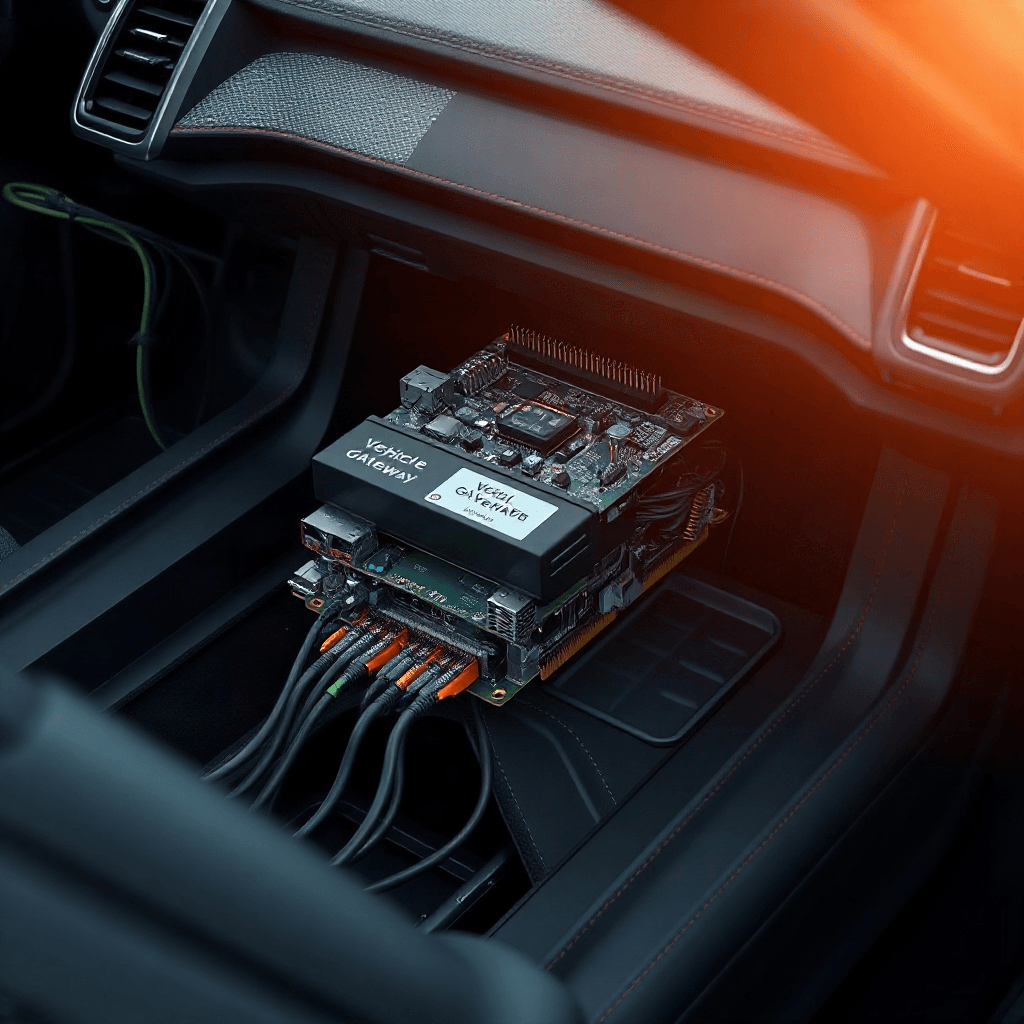
The Controller Area Network (CAN Bus) is a high-speed, robust vehicle bus standard designed to allow microcontrollers and devices to communicate with each other without a host computer. Introduced in the 1980s by Bosch, the CAN Bus system has become the backbone of automotive communications due to its reliability and efficiency. It is predominantly used for critical communications, such as engine management and antilock brake systems, where timely and error-free data transmission is paramount. The CAN Bus operates on a multi-master protocol, enabling multiple systems to communicate on a single pair of wires, reducing the complexity and weight of wiring harnesses. However, despite its strengths, the CAN Bus can be susceptible to faults such as short circuits and bus overloads, which can disrupt communication and affect vehicle performance.
Exploring the LIN Bus System
In contrast, the Local Interconnect Network (LIN Bus) is a lower-speed, cost-effective network designed for non-critical vehicle communications. The LIN Bus is typically employed for functions where speed and high data throughput are not as critical, such as seat control, window operation, and climate control systems. Operating on a single-master, multiple-slave architecture, the LIN Bus provides a simpler, more affordable solution for integrating various electronic components in a vehicle. While not as robust as the CAN Bus, the LIN Bus excels in reducing overall system costs and complexity. However, it’s not immune to faults either, with common issues including synchronization errors and master node failures that can lead to communication breakdowns.
Comparing CAN Bus and LIN Bus
When comparing the CAN Bus and LIN Bus, it’s essential to consider their applications, data transmission speeds, and fault tolerance levels. The CAN Bus offers high-speed data transmission rates of up to 1 Mbps, making it suitable for time-sensitive applications where reliability is critical. On the other hand, the LIN Bus operates at a maximum speed of 20 Kbps, which is adequate for less demanding applications. In terms of fault tolerance, the CAN Bus features robust error detection and correction mechanisms, while the LIN Bus relies more on its master-slave architecture to manage faults. Understanding these differences is key to identifying which network might be involved when a fault arises in a vehicle system.
Common Faults in CAN Bus Networks
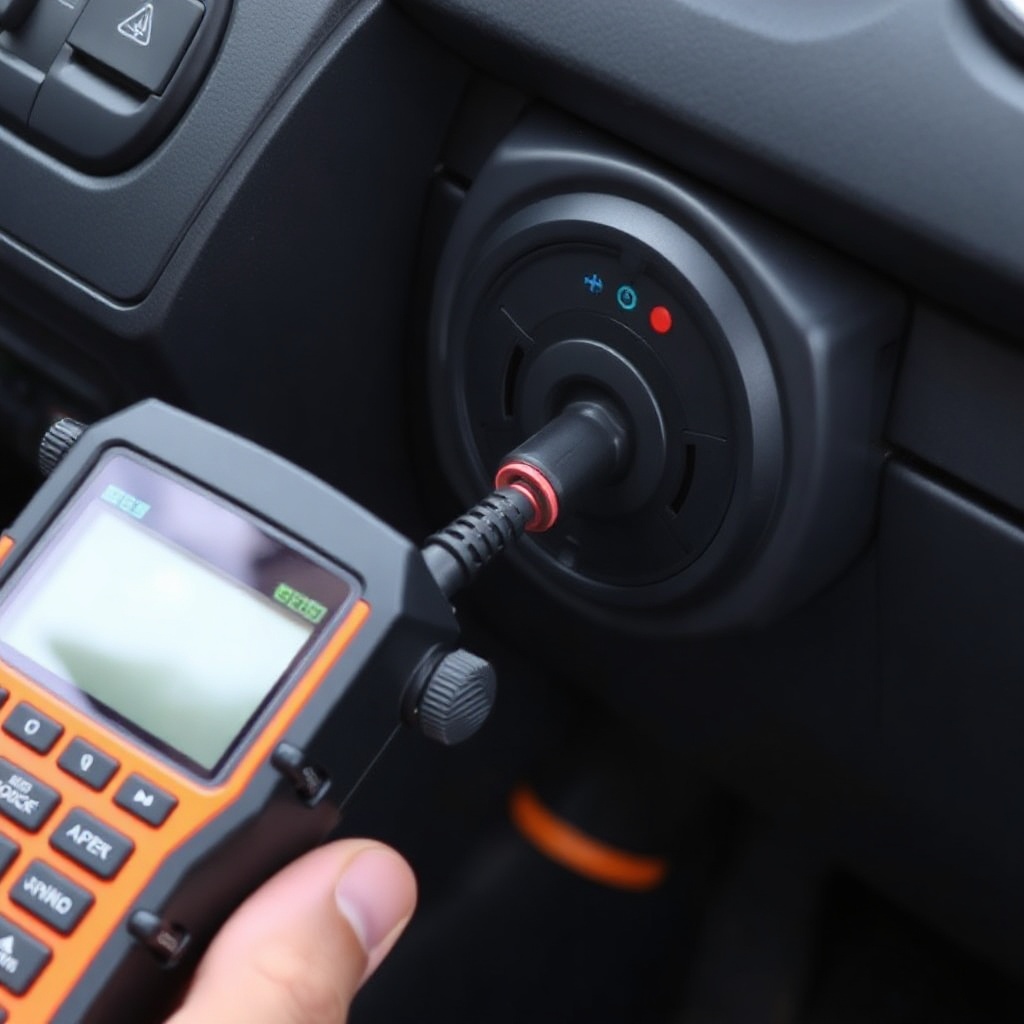
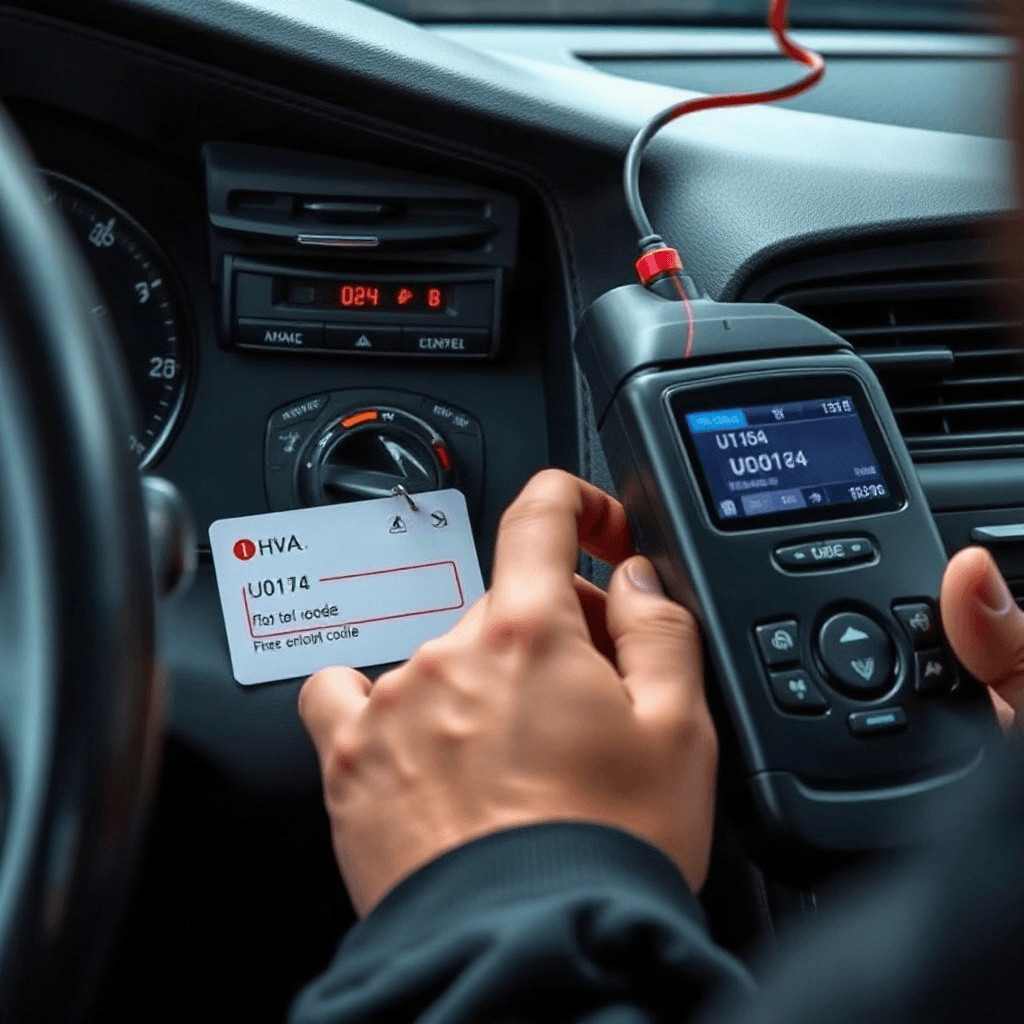
Faults in CAN Bus networks can often manifest as communication errors, leading to the malfunction of interconnected systems. Common issues include bus line short circuits, which can cause entire networks to fail, and message collisions resulting from multiple devices attempting to transmit simultaneously. Additionally, electromagnetic interference can disrupt signal integrity, leading to data corruption. Diagnosing these faults requires specialized diagnostic tools capable of interpreting error codes and identifying faulty nodes within the network. For example, a short circuit could be pinpointed by analyzing error frames and identifying the affected segment of the bus. Understanding these common faults can aid technicians in efficiently resolving CAN Bus-related issues.
Common Faults in LIN Bus Networks
Similarly, LIN Bus networks are not immune to faults, albeit of a different nature. Synchronization errors are a frequent issue, primarily due to the network’s reliance on a single master node to maintain timing across devices. If the master node fails or experiences timing drift, it can lead to network-wide communication breakdowns. Voltage level discrepancies between nodes can also cause errors, affecting the reliability of data transmission. Diagnosing LIN Bus faults often involves checking for physical damage to wiring and ensuring that voltage levels across the network are consistent. Using diagnostic software, technicians can monitor network performance and isolate faults to specific devices or wiring segments.
Determining the Fault-Involved Network
When a vehicle’s system experiences a fault, determining whether it involves the CAN Bus or LIN Bus requires a thorough understanding of the vehicle’s architecture and the nature of the fault. Technicians often begin by identifying the affected systems and correlating them with the respective network type. For example, if the fault affects a critical system like the engine, it’s more likely to be associated with the CAN Bus. Conversely, faults in non-critical systems such as power windows might point towards the LIN Bus. By employing diagnostic tools and techniques, technicians can efficiently determine the fault-involved network and undertake the necessary repairs. For more information on vehicle network diagnostics, visit our [dedicated guide].