Intermittent ABS Warning with No Stored Code: Voltage and Signal Checks

In modern vehicles, the Anti-lock Braking System (ABS) is an essential feature designed to prevent wheel lock-up during sudden braking situations. However, encountering an intermittent ABS warning light without any stored diagnostic trouble codes (DTCs) can be a perplexing challenge for technicians and vehicle owners alike. In this comprehensive analysis, we dissect the potential causes behind such warnings, emphasizing the importance of voltage and signal checks. By adopting a systematic approach, we can better understand and address these seemingly random alerts, ensuring the safety and reliability of the braking system.
Understanding the ABS Warning System
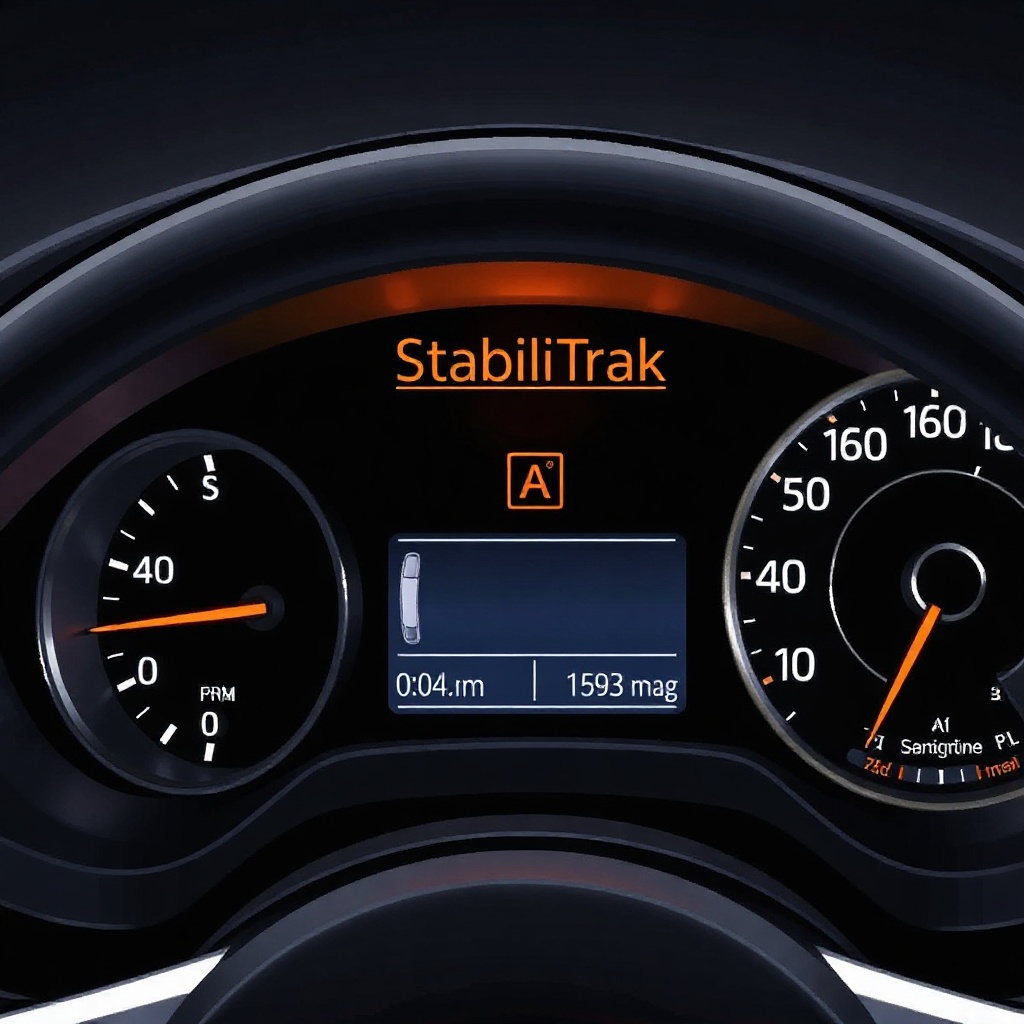
The ABS warning system is designed to alert drivers to potential issues within the braking system that could compromise its effectiveness. When the ABS warning light is illuminated, it generally indicates a problem that needs immediate attention. However, in cases where no DTCs are stored, it becomes crucial to dig deeper into the system’s components. The ABS module continuously monitors wheel speed sensors, hydraulic valves, and electrical signals. Any irregularity in these components can trigger the warning light. Therefore, understanding the system’s functionality and the role of each component is the first step toward diagnosing the issue.
The Role of Voltage in ABS Functionality
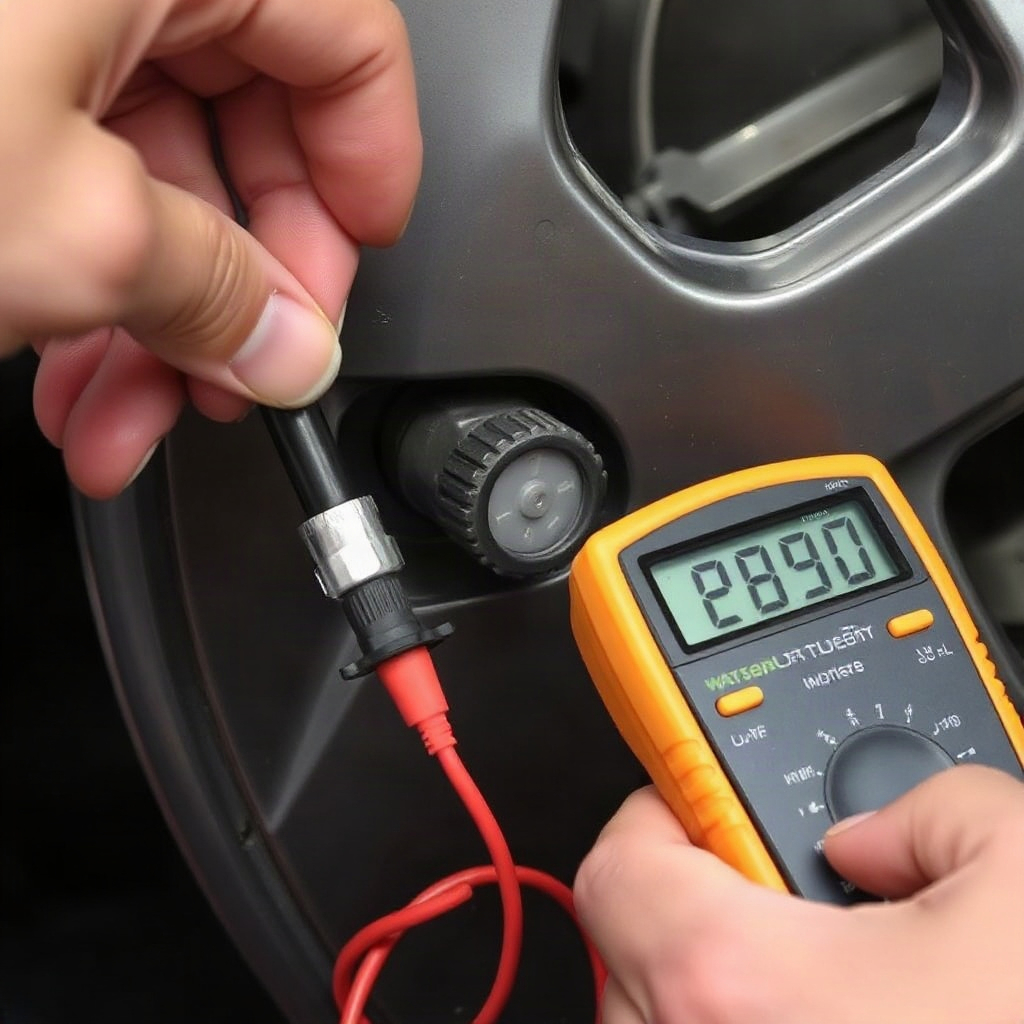
Voltage plays a critical role in the functionality of the ABS system. Inconsistent voltage levels can lead to erratic behavior of the ABS warning light. It is essential to ensure that the vehicle’s battery and charging systems are in optimal condition. A drop in voltage can cause the ABS module to misinterpret sensor readings, resulting in a false warning. Regular checks of the vehicle’s electrical system, including the alternator and battery connections, can help prevent such issues. Employing a multimeter to monitor voltage levels under different operating conditions provides valuable insights into the electrical health of the system.
Importance of Signal Integrity
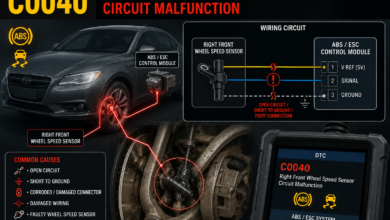
Signal integrity is vital for the accurate operation of the ABS system. The wheel speed sensors generate electrical signals that the ABS module interprets to control braking pressure. Any disruption in these signals, whether due to poor connections, damaged wiring, or electromagnetic interference, can lead to an intermittent warning light. Technicians should thoroughly inspect the wiring harnesses and connectors associated with the ABS system. Ensuring that all connections are secure and free from corrosion is paramount. Additionally, advanced diagnostic tools can be used to simulate sensor signals, allowing for a more precise identification of the issue.
Diagnostic Approaches and Tools
Diagnosing an intermittent ABS warning with no stored code requires a methodical approach and the use of specialized diagnostic tools. A scan tool capable of reading live data streams is invaluable in such scenarios. By observing real-time data from the ABS sensors and module, technicians can identify anomalies that might not trigger traditional DTCs. Furthermore, conducting a comprehensive visual inspection of the ABS components, including the wheel speed sensors and the hydraulic control unit, is crucial. These inspections help uncover mechanical or environmental factors contributing to the warning light.
Preventative Measures and Maintenance
Preventative maintenance is key to avoiding intermittent ABS warnings. Regularly scheduled inspections of the braking system, including the ABS components, can identify potential issues before they escalate. Ensuring that the vehicle’s electrical system is well-maintained, with clean and tight connections, reduces the likelihood of signal disruptions. Additionally, keeping the ABS sensors clean and free from debris ensures accurate readings. Vehicle owners should be educated about the importance of routine maintenance, which not only enhances safety but also prolongs the lifespan of the ABS components.
Conclusion and Final Thoughts
In conclusion, an intermittent ABS warning without stored codes can be a challenging issue, requiring a thorough understanding of the system’s electrical and mechanical components. By prioritizing voltage checks and signal integrity analyses, we can diagnose and resolve these warnings effectively. Utilizing advanced diagnostic tools and adhering to a strict maintenance schedule ensures the continued reliability of the ABS system. As we navigate the complexities of modern automotive systems, a proactive approach to diagnostics and maintenance remains our best defense against unexpected warnings. For further reading on advanced diagnostics, refer to related articles available in our [automotive diagnostics section].