Car Interior Lights Stay On and Drain the Battery
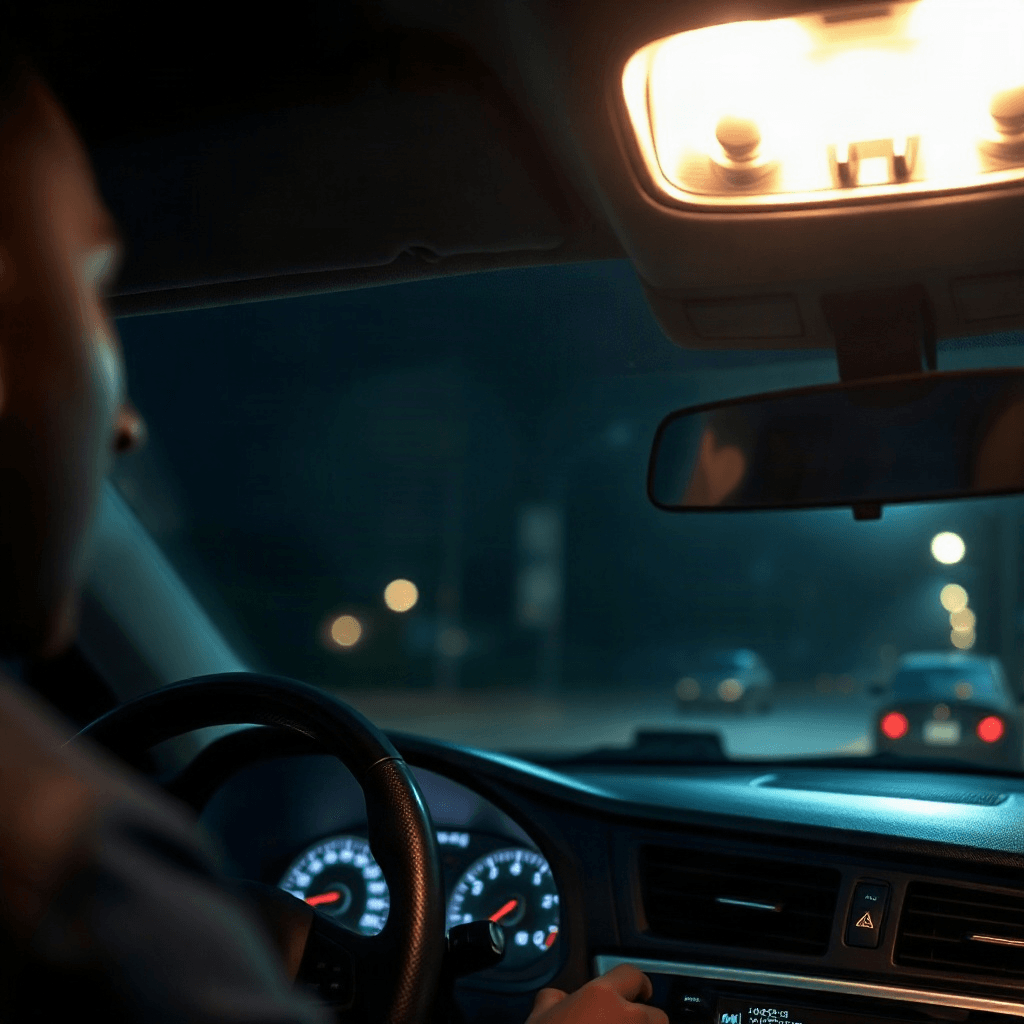
In the realm of automotive concerns, few issues are as frustrating as the persistent problem of car interior lights staying on and draining the battery. As an experienced journalist deeply immersed in technical matters, I find the intricacies of this issue both intriguing and essential for vehicle owners to understand. Imagine starting your day with plans laid out meticulously, only to find your car battery dead due to lights that refused to turn off. This issue, often overlooked, can lead to significant inconveniences and unexpected expenses. In this article, I delve into the technical aspects of this problem, exploring its causes, implications, and solutions to equip car owners with the knowledge they need to address it effectively.
Understanding the Electrical System
The electrical system of a car is a complex network that powers everything from the ignition to the lights and entertainment systems. At the heart of this network lies the battery, which stores electrical energy and supplies it to various components when the engine is off. Car interior lights, although seemingly minor, play a crucial role in this system. They are designed to provide illumination for the occupants when entering or exiting the vehicle, and their operation is generally controlled by the door switches. However, when these lights fail to turn off as expected, it can indicate underlying issues within the electrical system. The continuous draw of power, known as parasitic drain, can deplete the battery over time, especially if the car is not used regularly. Understanding the electrical system’s intricacies is vital in diagnosing and solving this persistent problem.
Common Causes of Interior Light Malfunction
Identifying the root causes of interior light malfunctions requires a systematic approach. One prevalent cause is a faulty door switch. These switches trigger the lights to turn on and off with the opening and closing of the car doors. When they become defective, they may fail to signal the lights to turn off, leading to continuous illumination. Another frequent culprit is a malfunctioning light control module, which can misinterpret signals and leave the lights on unnecessarily. Wiring problems, such as short circuits or frayed wires, can also disrupt the normal operation of interior lights. These issues often arise from wear and tear or improper installation of aftermarket accessories. Additionally, user error, such as accidentally leaving the lights in the “on” position, can contribute to this problem. Understanding these common causes is crucial for diagnosing and rectifying the issue effectively.
Diagnosing the Problem
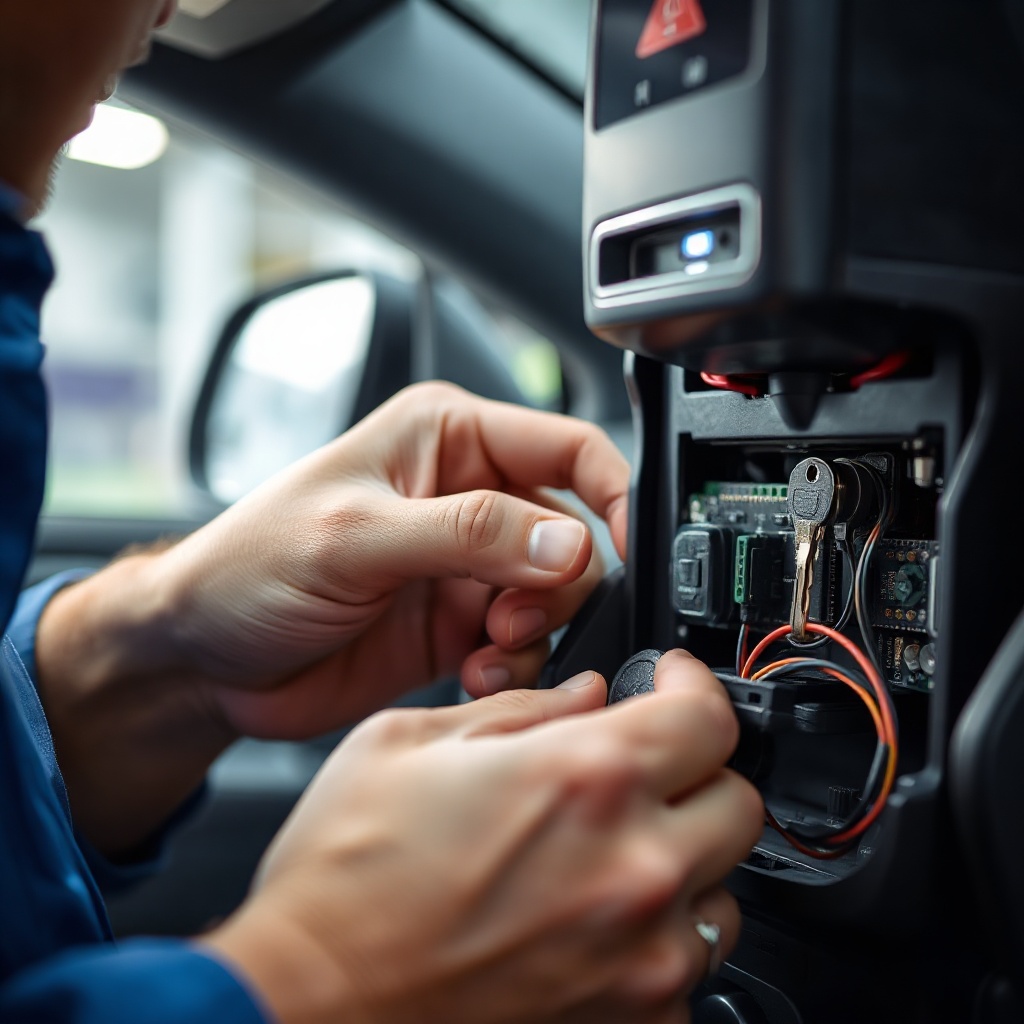
Diagnosing an issue with car interior lights requires a methodical approach to identify the underlying cause accurately. Start by checking the door switches for any visible signs of damage or wear. A multimeter can be a valuable tool here, as it can test for continuity in the switches, revealing any faults. Next, inspect the light control module for any error codes or irregularities in its connections. This component may require professional diagnostic tools available at automotive service centers. Don’t overlook the wiring; a thorough visual inspection can help spot any obvious damage or loose connections. If the problem persists, it may be necessary to consult a professional mechanic who specializes in automotive electrical systems. Accurate diagnosis is the first step towards a permanent solution, preventing further battery drain and subsequent inconveniences.
Preventive Measures and Solutions
Prevention plays a crucial role in mitigating the risk of car interior lights draining the battery. Regular maintenance checks of the electrical system can safeguard against unexpected failures. Ensure the door switches are lubricated and functioning correctly, as this simple step can prevent many issues. If you frequently experience battery drain, consider investing in a battery maintainer or trickle charger to keep the battery at optimal charge levels, especially if the vehicle is not used daily. For those who often forget to turn off the interior lights, installing an automatic shut-off switch can be a practical solution. This device can be programmed to turn off the lights after a set period, regardless of the door switch status. Implementing these preventive measures can significantly reduce the likelihood of facing a dead battery due to interior light malfunctions.
Impact on Vehicle Longevity
The impact of persistent battery drain due to interior light issues extends beyond mere inconvenience; it can also affect the vehicle’s overall longevity. Frequent battery depletion can lead to battery sulfation, reducing its capacity and efficiency over time. Moreover, the strain on the electrical system can accelerate wear and tear on other connected components, potentially leading to costly repairs in the long run. A malfunctioning electrical system can also compromise safety features, such as automatic door locks and alarm systems, putting the vehicle at risk. Addressing interior light issues promptly not only prevents immediate problems but also contributes to the vehicle’s long-term reliability and safety. As a responsible car owner, being proactive in maintaining the electrical system is key to ensuring both the vehicle’s performance and your peace of mind.
The Role of Professional Assistance
While some car interior light issues can be resolved through DIY methods, others might require professional assistance. Professional mechanics possess the expertise and diagnostic tools necessary to accurately identify and rectify complex electrical problems. They can provide insights into potential underlying issues that may not be immediately apparent to the average car owner. Additionally, professionals can offer tailored advice on preventive measures specific to your vehicle model. Establishing a relationship with a trusted mechanic can be invaluable in maintaining your vehicle’s health and ensuring that minor issues do not escalate into major repairs. When dealing with persistent electrical problems, seeking professional assistance is often the most efficient and effective course of action, ensuring that your vehicle remains reliable and safe for the long haul.