Poor Fuel Economy Without a Warning Light: A Practical Diagnostic Guide
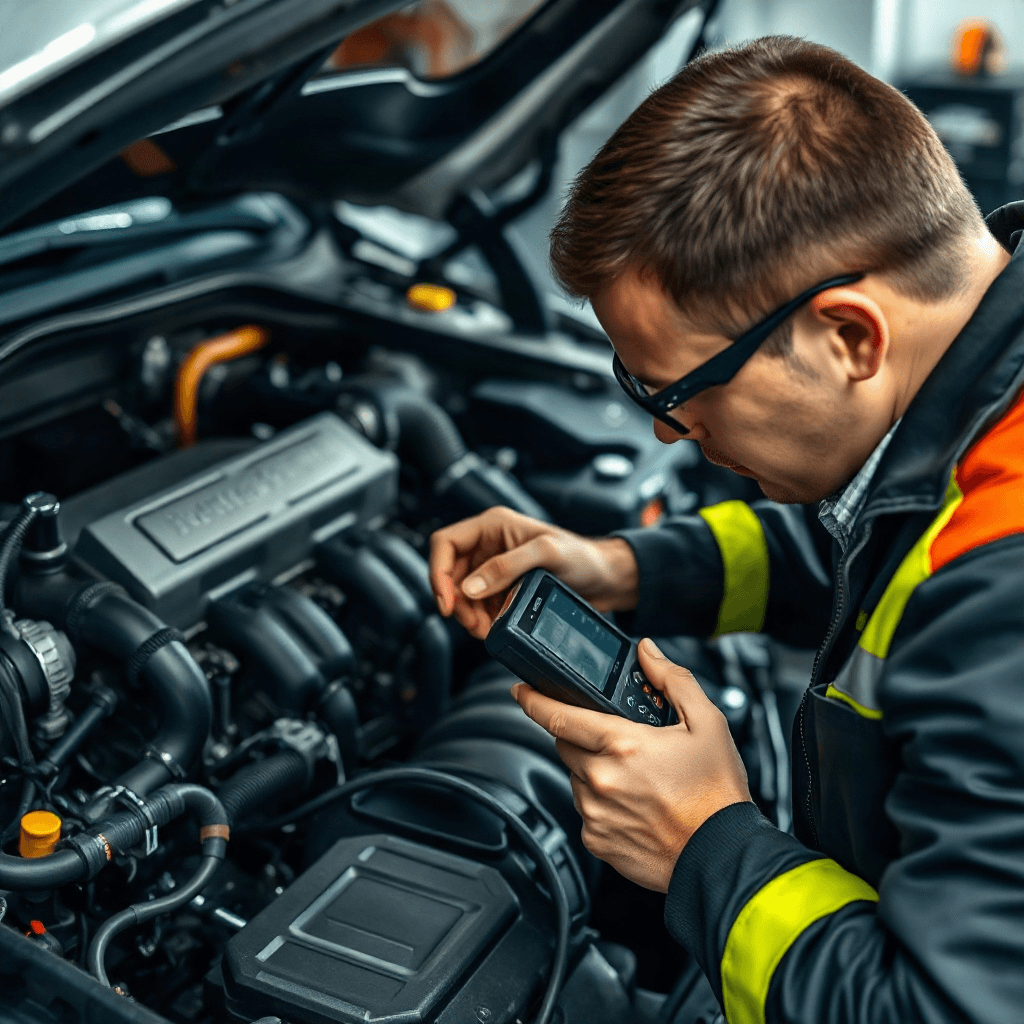
In the complex world of automotive mechanics, one of the most perplexing issues for both drivers and professionals alike is poor fuel economy without the illumination of a warning light. Many drivers assume that as long as no lights are blinking on the dashboard, their vehicle is in perfect health. However, the absence of a warning light does not always equate to the absence of a problem. It is crucial to understand that vehicles are intricate machines where numerous factors can subtly degrade performance without triggering a dashboard alert. This article delves into the underlying causes of poor fuel economy, offering a practical diagnostic guide for those looking to tackle the issue head-on.
Understanding Fuel Consumption Patterns
The first step in diagnosing poor fuel economy is understanding the baseline consumption patterns of your vehicle. Every model has a manufacturer-specified fuel efficiency rating, which can serve as a reference point. Many factors, such as driving habits, road conditions, and even weather, can significantly impact fuel consumption. Observing when and under what conditions your vehicle starts to consume more fuel can provide vital clues. For instance, an increase in consumption during city driving but not on highways might suggest different problems than a uniform increase in both scenarios. Establishing these patterns can help pinpoint whether the issue is constant or situational.
The Role of Maintenance and Tune-ups
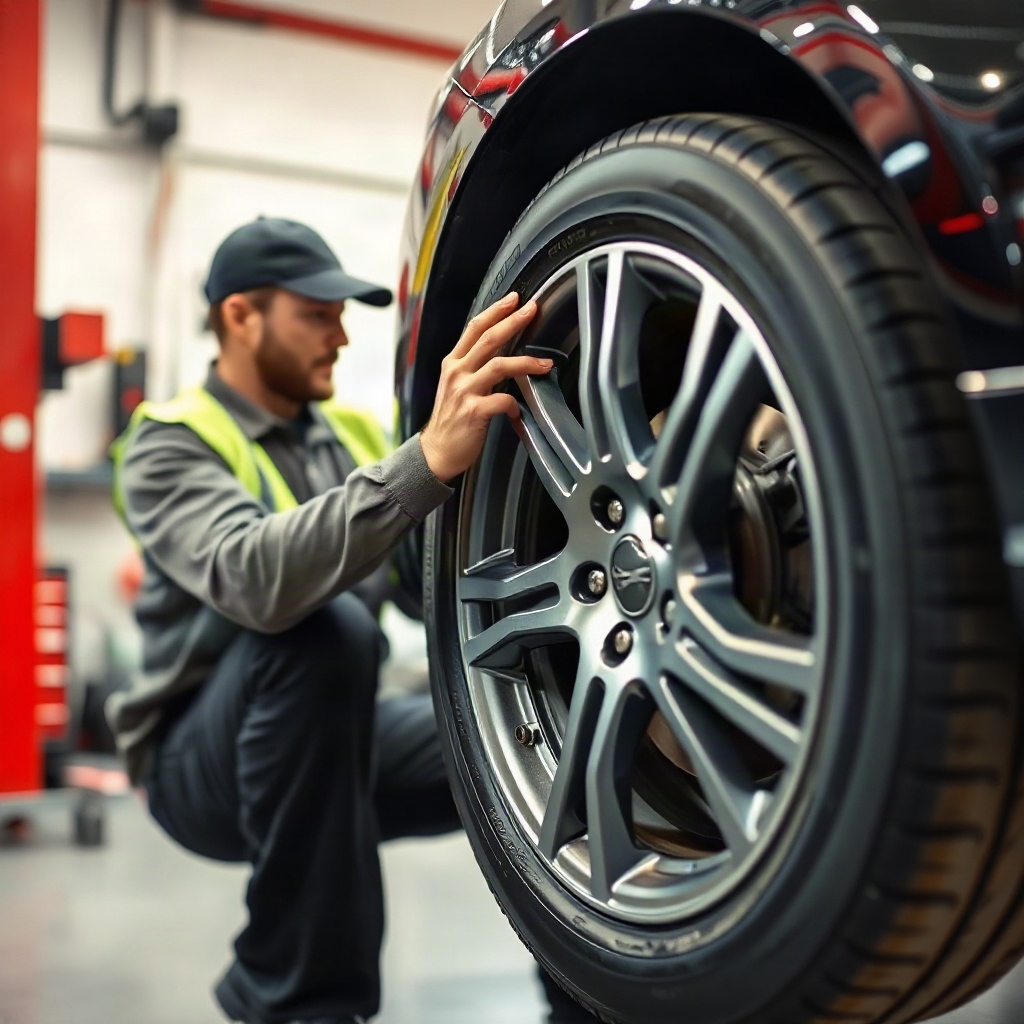
A vehicle’s maintenance schedule is not just a suggestion; it is a roadmap to optimal performance. Regular tune-ups and timely replacement of components like air filters, spark plugs, and oxygen sensors can dramatically affect fuel efficiency. An often-overlooked aspect is tire maintenance. Incorrect tire pressure can increase rolling resistance, leading to higher fuel consumption. Additionally, checking for clogged fuel injectors or a dirty mass airflow sensor during routine maintenance can preemptively solve problems before they manifest as decreased fuel economy. Consistent maintenance not only prevents potential issues but also ensures that your vehicle is running as efficiently as possible.
Analyzing Driving Behavior
One of the most significant yet underrated factors affecting fuel economy is the driver’s behavior. Sudden accelerations, excessive idling, and high-speed driving can all lead to increased fuel consumption. Understanding and adapting driving habits is an inexpensive way to improve fuel efficiency. Utilizing cruise control on highways, avoiding unnecessary idling, and maintaining a steady speed can collectively make a substantial difference. Educating drivers about these habits can transform not only their fuel economy but also the overall lifespan of their vehicle, reducing wear and tear on essential components.
Investigating Mechanical Issues
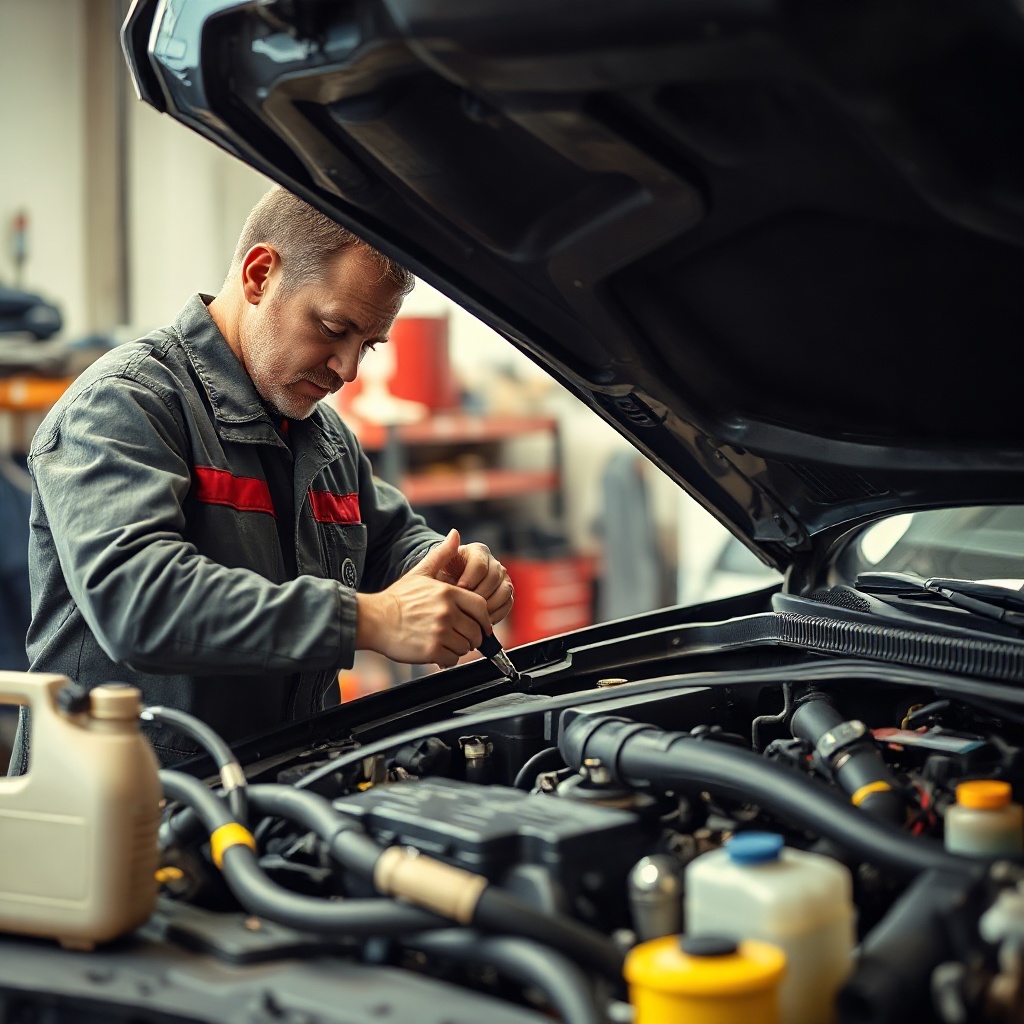
Sometimes, the root cause of poor fuel economy lies in mechanical issues that aren’t immediately obvious. A malfunctioning thermostat, for instance, can cause the engine to run cooler than optimal, thereby using more fuel. Similarly, a weak or failing fuel pump might not deliver the required pressure, leading to inefficient combustion. Exhaust leaks can also disrupt fuel efficiency by affecting the oxygen sensor readings. Diagnosing these issues often requires the expertise of a professional mechanic, equipped with the necessary tools to perform a thorough diagnostic check. Such investigations are crucial, as undiagnosed mechanical issues can lead to more significant problems down the line.
The Impact of External Conditions
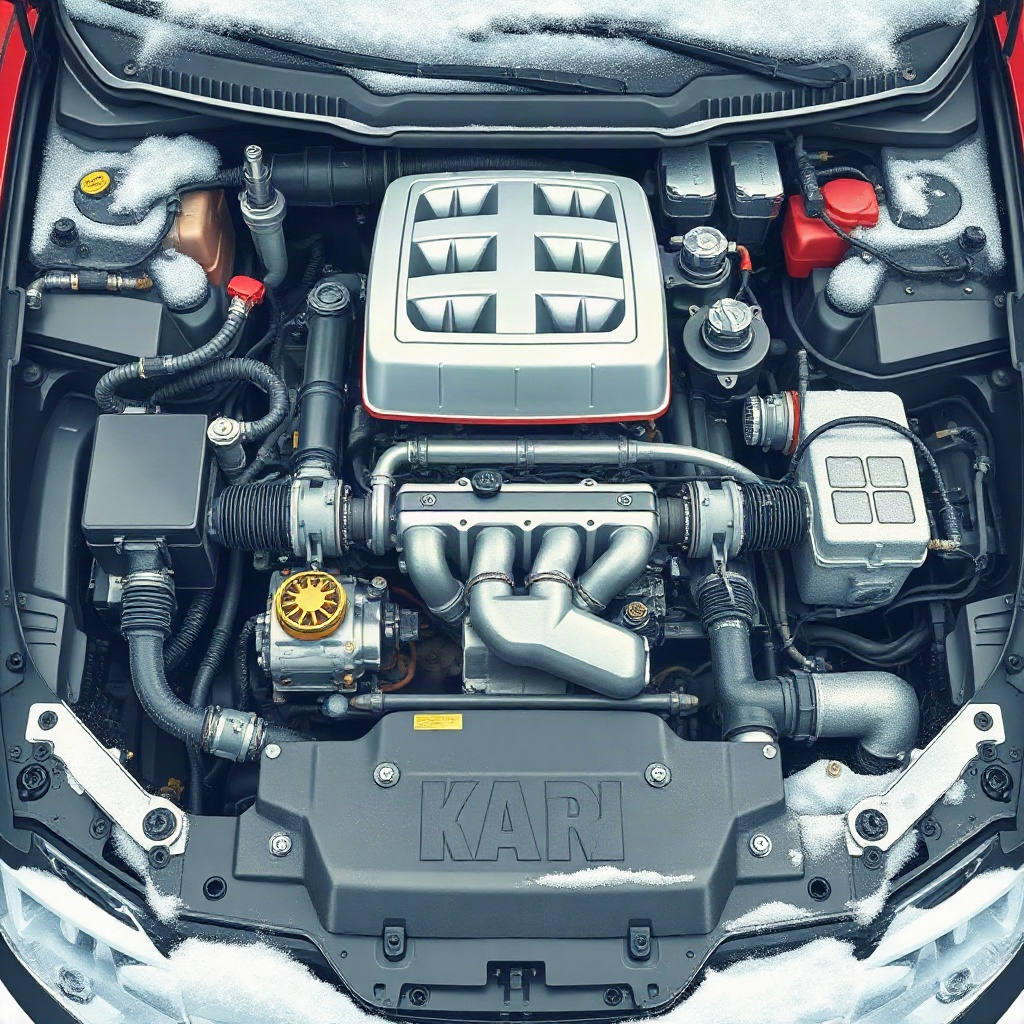
External conditions such as weather and terrain can also play a crucial role in fuel economy. Cold weather can thicken engine oil and reduce battery performance, both of which can increase fuel consumption. Similarly, driving in hilly or mountainous terrain requires more power, thus more fuel. Understanding how these external factors impact your vehicle can help you adjust your driving strategy accordingly. For example, using a block heater in cold temperatures can warm up the engine and reduce fuel consumption during startup. Being aware of these factors allows for proactive adjustments to mitigate their impact on fuel efficiency.
Investing in Modern Technology
In the digital age, technology offers numerous tools to aid in diagnosing and improving fuel economy. Installing an aftermarket fuel management system can provide real-time feedback on your driving habits and vehicle performance, allowing for immediate adjustments. Moreover, advanced diagnostic tools can read engine data and error codes that standard onboard systems might miss. Investing in such technology not only aids in identifying current issues but also prevents future ones, making it a worthwhile consideration for anyone serious about maintaining optimal fuel efficiency. Embracing these technologies can empower vehicle owners to take control of their fuel economy like never before.