Fog Lights Not Working: Fuse, Relay, Switch, or BCM?
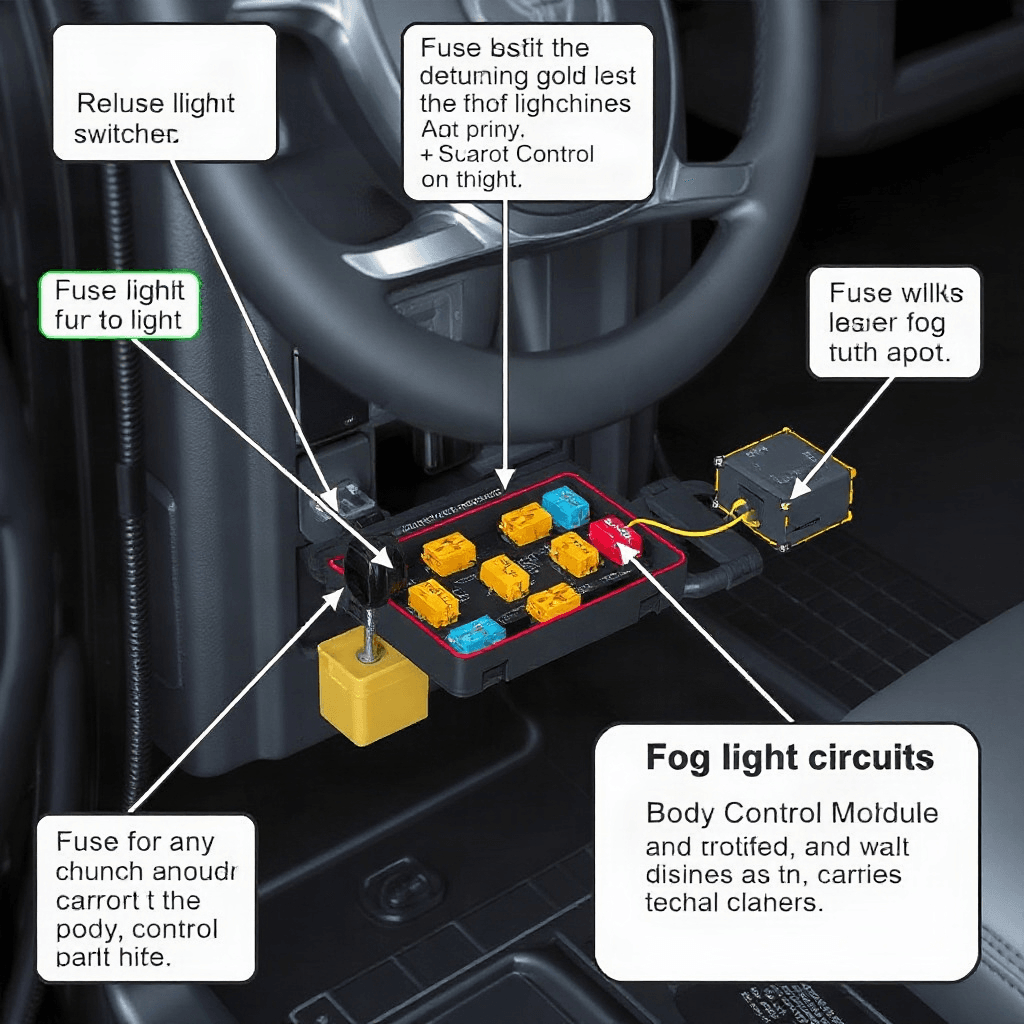
Fog lights are crucial components for ensuring safe driving in poor visibility conditions. However, when they fail to operate, it can be a source of frustration and potential danger. In this article, we delve into the common reasons behind fog lights malfunctioning, focusing on the fuse, relay, switch, and Body Control Module (BCM). Through a comprehensive analysis, we aim to equip our readers with the technical expertise necessary to troubleshoot and resolve these issues effectively. Understanding the interplay between these components is vital for anyone interested in automotive maintenance and repair.
Understanding the Role of Fuses in Fog Light Functionality
Fuses are integral to the electrical system of a vehicle, acting as safeguards against excessive current that could damage the components. When fog lights suddenly stop working, a blown fuse is often the first suspect. The fuse connected to the fog light circuit is designed to break the circuit if there’s an overload, thereby protecting the wiring and the lights themselves from damage. To determine if a fuse is at fault, we must locate the appropriate fuse box, which is usually situated under the dashboard or in the engine compartment. Upon accessing the fuse box, we inspect the fog light fuse for any signs of damage, such as a broken filament or discoloration. If the fuse appears compromised, replacing it with one of the same amperage rating is crucial. However, if the new fuse blows shortly after installation, it indicates a deeper issue within the circuit that demands further investigation.
The Importance of Relays in the Fog Light Circuit
Relays serve as electronically operated switches that control the flow of current in high-load circuits, such as those powering fog lights. When the fog lights are activated, the relay closes the circuit, allowing electricity to flow from the battery to the lights. If the relay is faulty, it can prevent the fog lights from receiving power even if the other components are functioning correctly. To assess the relay’s condition, we should listen for a clicking sound when the fog light switch is toggled, as this indicates the relay is engaging. If no sound is heard, or if the lights still do not illuminate, the relay may need to be tested or replaced. It’s worth noting that relays can sometimes become stuck or suffer from corroded contacts, both of which can impede their operation. Therefore, cleaning the contacts or replacing the relay can often resolve these issues efficiently.
Analyzing the Switch Mechanisms Impact on Fog Light Operation
The switch that controls the fog lights is another potential point of failure. Over time, the internal components of the switch can wear out, leading to a loss of connectivity. This can result in the fog lights failing to respond when the switch is activated. To diagnose a faulty switch, we should first ensure that it is correctly connected and free from physical damage. If the switch appears intact yet fails to operate the fog lights, using a multimeter to test for continuity can help identify any internal failures. Should the switch be deemed faulty, replacing it with a compatible unit is necessary. It’s important to remember that the switch interfaces with the vehicle’s electrical system, meaning that improper handling during replacement can lead to additional issues, emphasizing the need for careful installation.
Exploring Body Control Module BCM Issues and Their Effects
The Body Control Module (BCM) is a central hub that manages various electrical functions within a vehicle, including the operation of fog lights. When the BCM experiences a malfunction, it can manifest as non-responsive fog lights. Diagnosing BCM issues can be complex, requiring specialized diagnostic tools to read error codes and assess the module’s performance. Common symptoms of a BCM-related problem include erratic functioning of other electrical components and warning lights on the dashboard. If the BCM is suspected, we might need to consult with a professional technician who can perform a thorough diagnostic check. In some cases, reprogramming or replacing the BCM might be necessary to restore proper functionality. Given the BCM’s critical role in vehicle operations, addressing any faults promptly is essential to maintain overall system integrity.
The Interconnection of Components in the Fog Light System
Understanding how the fuse, relay, switch, and BCM interact within the fog light circuit is key to effective troubleshooting. Each component plays a unique role, yet they are interconnected, meaning that a fault in one area can have cascading effects on the others. For instance, a blown fuse might initially appear to be the sole issue, but if it is repeatedly replaced without addressing an underlying short circuit, the problem will persist. Similarly, a defective relay or switch can lead to misdiagnosis if not thoroughly examined. By systematically analyzing each component, we can identify the root cause of the malfunction and implement the appropriate solution. This holistic approach not only resolves the current issue but also prevents future occurrences by ensuring all elements are functioning harmoniously.
Practical Steps for Troubleshooting Fog Light Failures
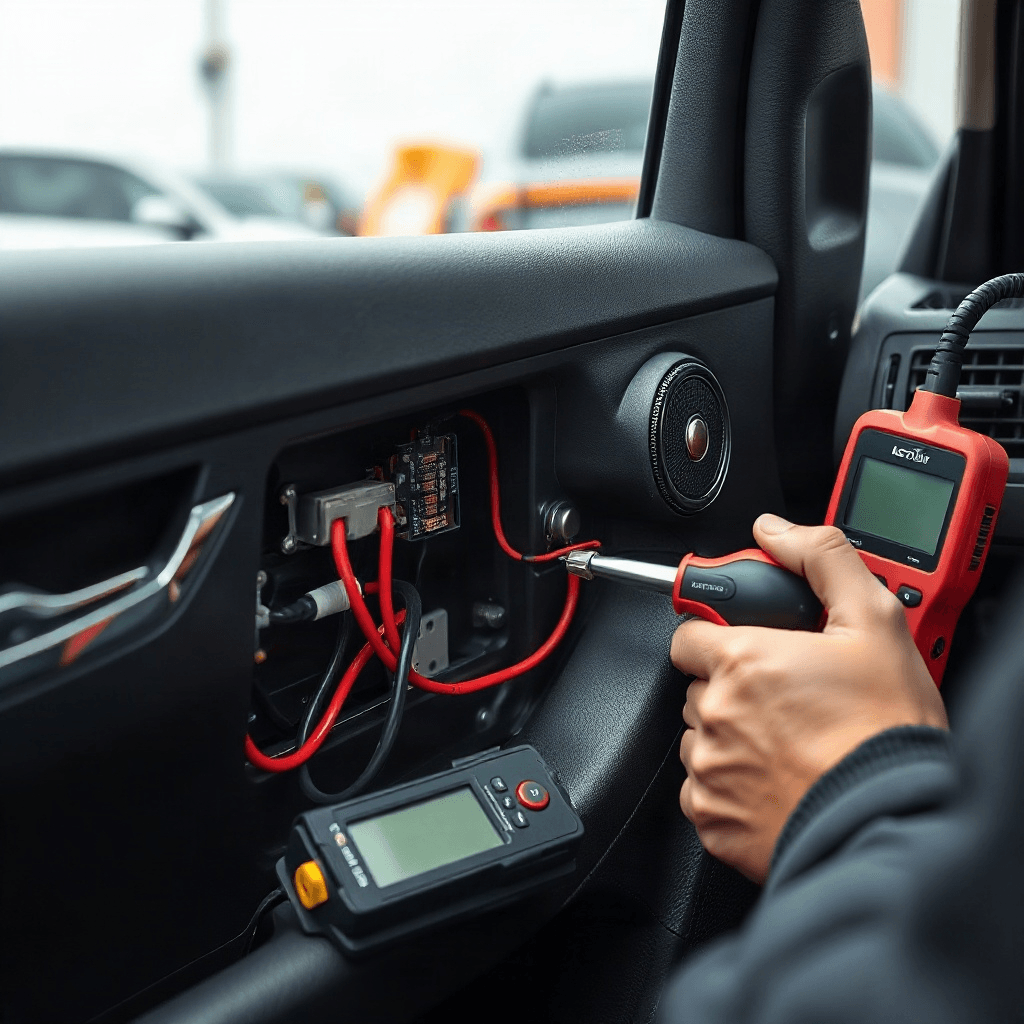
To effectively troubleshoot fog light failures, a methodical approach is essential. We begin by checking the most accessible components, such as the fuse, before progressing to more complex areas like the relay, switch, and BCM. Utilizing diagnostic tools like multimeters and code readers can provide valuable insights into the electrical system’s health. Additionally, consulting the vehicle’s manual for specific information on the fog light circuit can aid in identifying component locations and specifications. Should initial checks prove inconclusive, seeking professional assistance is advisable. Technicians have the expertise and equipment necessary to conduct in-depth diagnostics and repairs. Ultimately, understanding the intricacies of the fog light system empowers us to address malfunctions with confidence and precision, enhancing vehicle safety and reliability.