How to Diagnose a Vehicle With No Communication Across Several Modules
In today’s world of advanced automotive technology, vehicles have become increasingly complex, integrating numerous electronic modules that communicate with one another to ensure optimal performance. When communication breaks down between these modules, diagnosing the issue can become a challenging task for even the most seasoned technicians. Understanding how to pinpoint the root cause of communication failures will not only save time but also improve the accuracy of your repairs. In this article, we aim to provide a comprehensive guide on diagnosing vehicles with no communication across several modules, equipping you with the knowledge needed to tackle these issues head-on.
Understanding the Vehicles Network Architecture
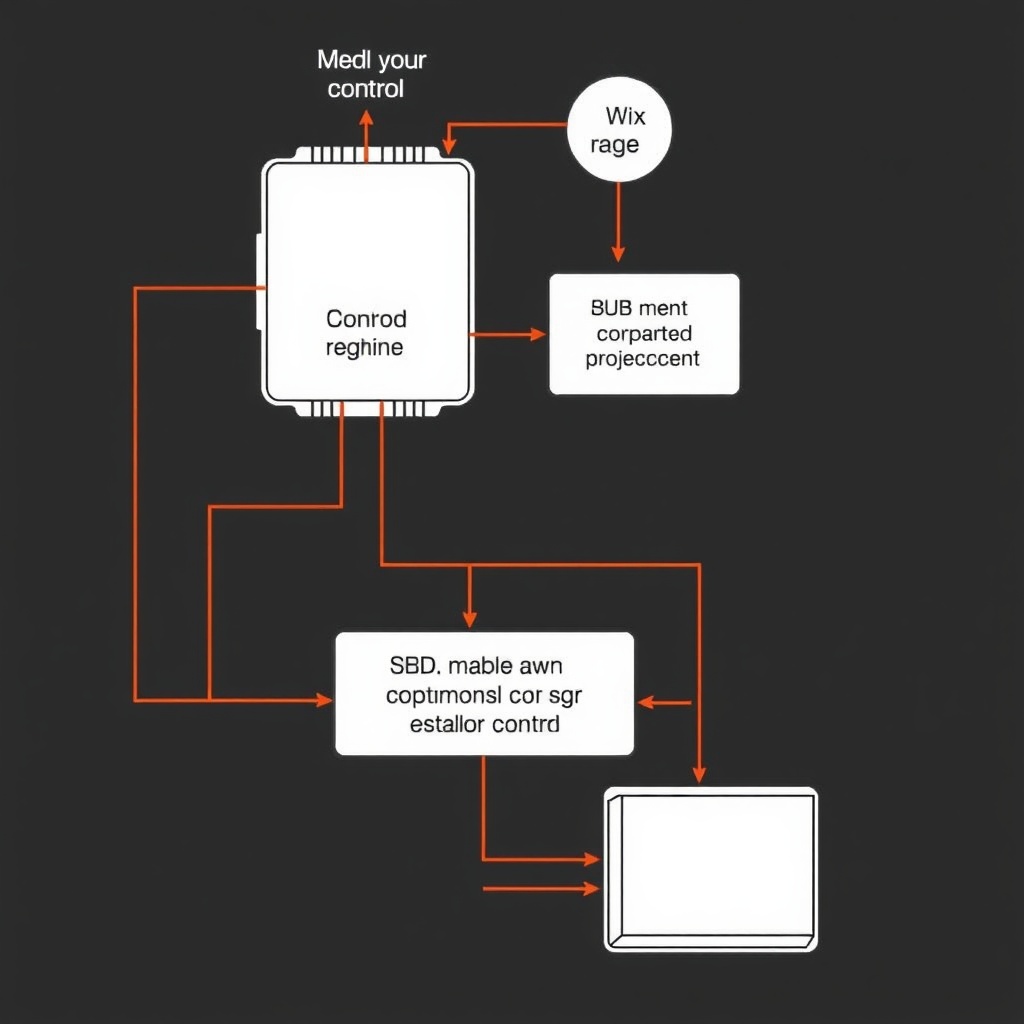
To effectively diagnose communication issues in a vehicle, it is essential to first grasp the vehicle’s network architecture. Modern vehicles typically use a Controller Area Network (CAN) bus system, which acts as the central nervous system, linking various modules such as the Engine Control Unit (ECU), Transmission Control Unit (TCU), and many others. These modules constantly exchange data to perform their functions seamlessly. Any disruption in this network can cause a cascade of problems, resulting in communication failures. Familiarity with the vehicle’s wiring diagrams and network topology is crucial, as it allows you to identify potential weak points where communication might be breaking down.
Identifying Symptoms of Communication Failures
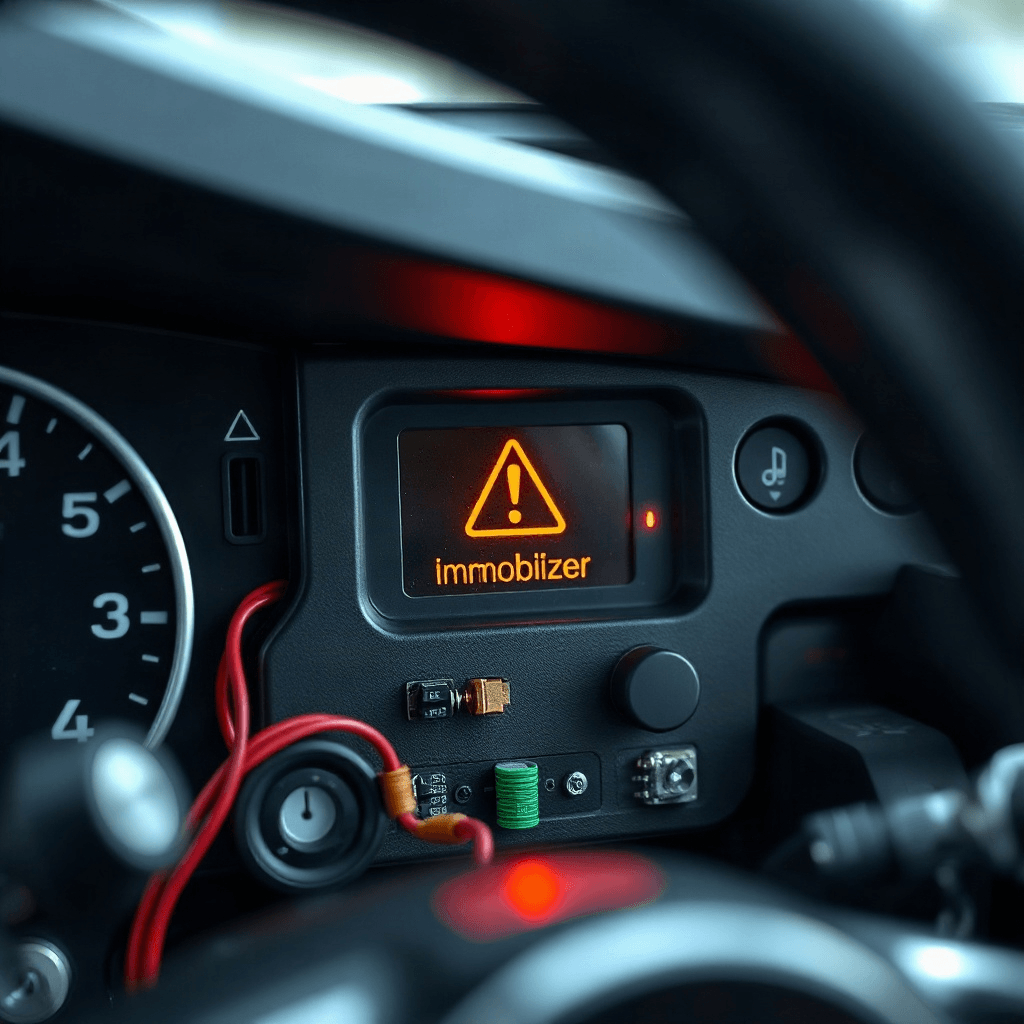
The next step in diagnosing communication issues is identifying the symptoms that indicate a breakdown in module communication. Common signs include warning lights on the dashboard, malfunctioning electronic systems, or even a complete failure to start. In some cases, the vehicle may operate erratically or enter a limp mode, limiting its performance. These symptoms serve as clues pointing toward underlying communication problems. Using a diagnostic scanner to retrieve fault codes from the vehicle’s onboard computer can provide valuable insights into which modules are affected and the nature of the communication failure.
Employing Diagnostic Tools and Techniques
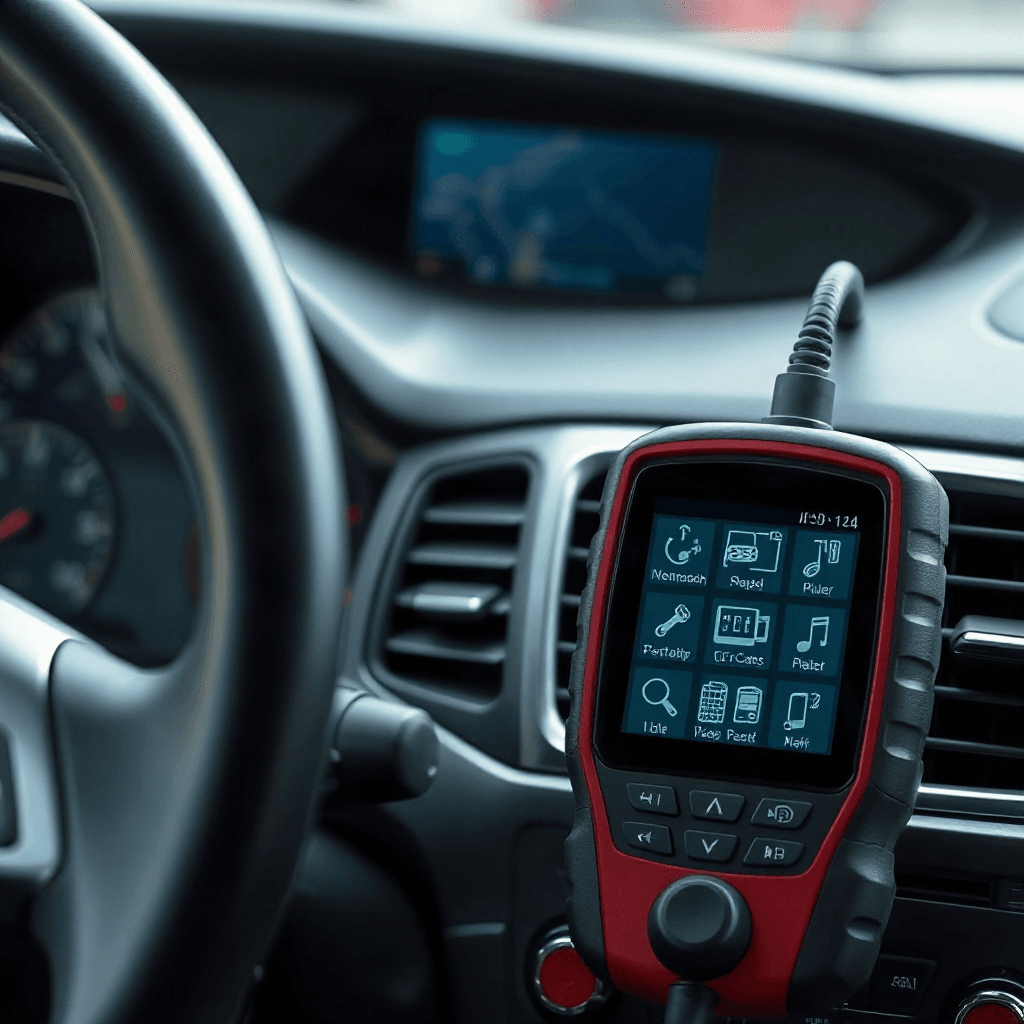
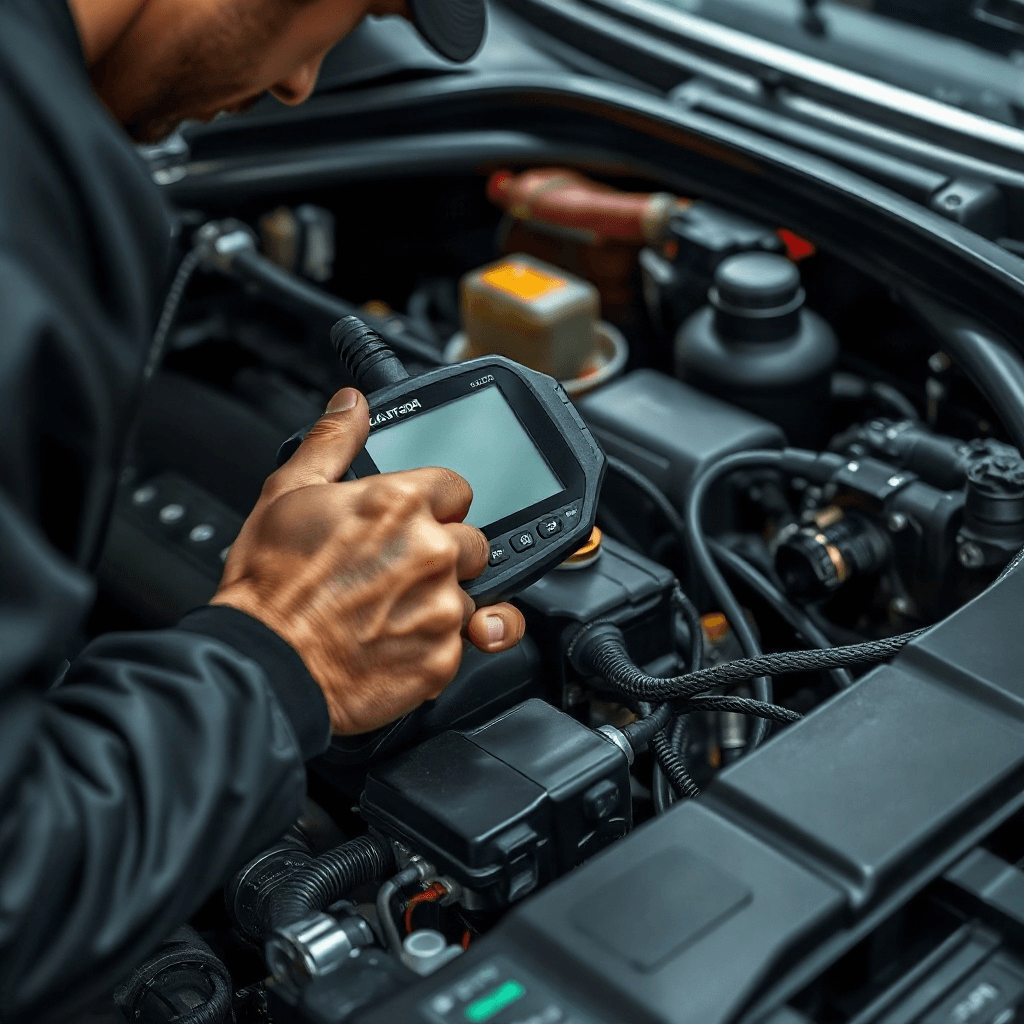
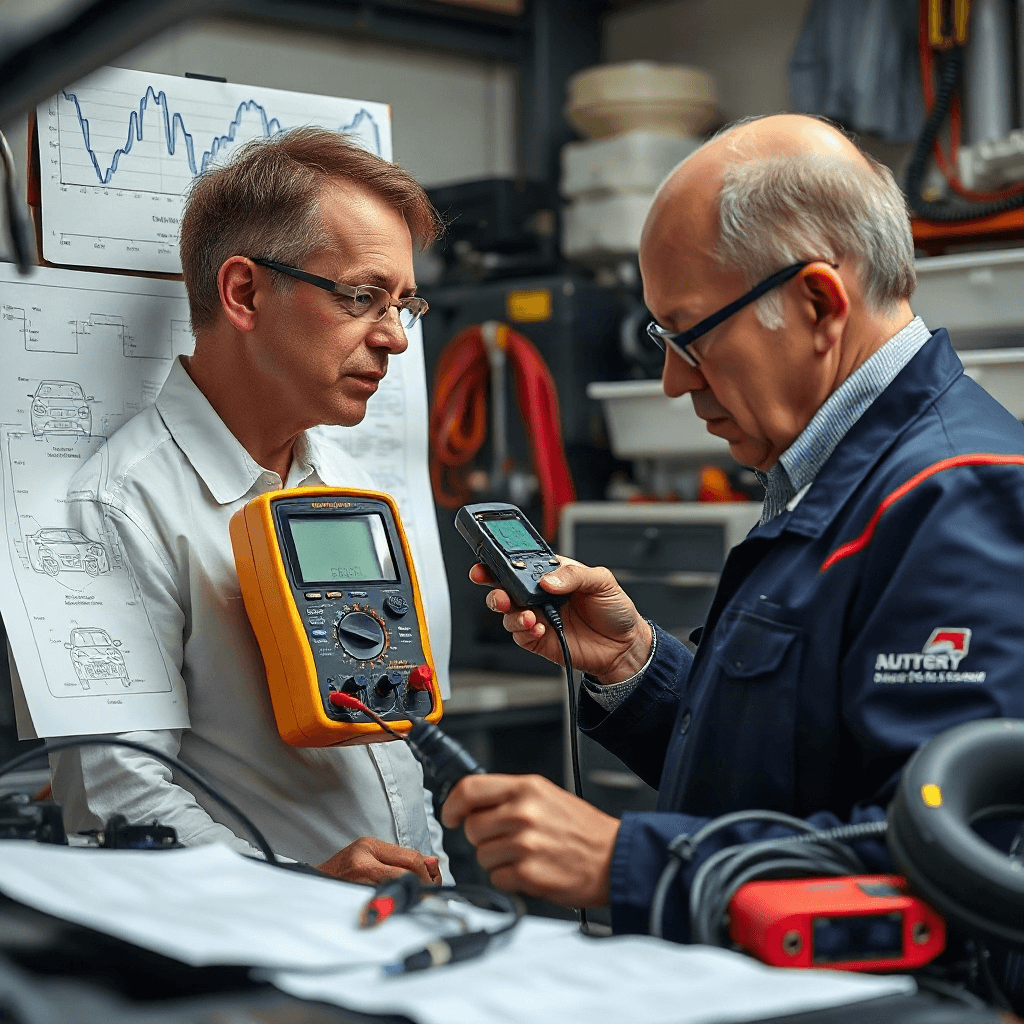
Once symptoms have been identified, the use of diagnostic tools and techniques becomes imperative in pinpointing the exact issue. A multimeter and an oscilloscope are invaluable in measuring voltage levels and analyzing signal patterns across the network. With these tools, you can check for shorts, open circuits, or interference that may disrupt communication. Additionally, employing an OBD-II scanner capable of accessing the vehicle’s CAN network will allow you to monitor data traffic and diagnose communication errors in real-time. Mastery of these diagnostic techniques will significantly enhance your ability to resolve communication breakdowns efficiently.
Examining Physical Connections and Wiring
Physical connections and wiring are often the culprits behind communication failures. Inspecting connectors for corrosion, bent pins, or loose connections is a crucial step in the diagnostic process. Over time, exposure to moisture, heat, and vibrations can degrade these components, impairing the flow of data between modules. Carefully examine the wiring for any signs of wear or damage, such as frayed insulation or broken wires. Repair or replace faulty connectors and wiring as needed to restore proper communication. This attention to detail in examining physical connections can often resolve the problem without the need for more complex interventions.
Understanding the Role of Software Updates
In some cases, communication issues may stem from software-related problems within the vehicle’s modules. Manufacturers frequently release software updates to address known issues, enhance performance, and ensure compatibility between modules. Checking for and installing the latest software updates using the manufacturer’s recommended tools can resolve some communication failures. It is important to stay informed about these updates and to implement them as part of your regular maintenance routine. This proactive approach can prevent potential communication issues before they arise, safeguarding the vehicle’s overall performance.
Seeking Professional Assistance When Necessary
Despite your best efforts, there may be instances where communication issues persist, and additional expertise is required. In such cases, seeking professional assistance from an experienced automotive technician or a specialized repair shop is recommended. These professionals have access to advanced diagnostic equipment and possess a deeper understanding of complex vehicle systems. Collaborating with them can expedite the diagnostic process and ensure that the root cause of the communication failure is accurately identified and rectified. Remember, working with experts can provide valuable insights and enhance your own troubleshooting skills.
By following these steps, you will be well-equipped to diagnose and resolve communication issues across multiple modules in a vehicle. Mastering the art of diagnostics not only enhances your technical skills but also contributes to the reliability and efficiency of the vehicles you work on. Embrace the challenge, and let your diagnostic prowess shine.
[kelime]