Network DTCs After Battery Replacement: Checks Before Replacing Modules

Replacing a vehicle’s battery can often seem like a routine maintenance task. However, many car owners and even some technicians are caught off guard by the network diagnostic trouble codes (DTCs) that can appear post-replacement. These codes can indicate issues that range from minor to critical, often causing unnecessary worries about the vehicle’s condition. Understanding how to interpret these codes and knowing the steps to take before considering module replacements is essential. By familiarizing yourself with the nuances of network diagnostics, you can ensure that you’re not only addressing actual problems but also saving time and resources in the process.
Understanding Network DTCs and Their Implications
Network DTCs are essentially the vehicle’s way of communicating issues within its electronic systems. After a battery replacement, it’s not uncommon for new codes to emerge as the system resets and recalibrates. These codes can be misleading, often pointing towards issues that might not exist. Before you rush into replacing any modules, it’s crucial to understand that some DTCs might be temporary and clear themselves after a few drive cycles. Therefore, patience and a systematic approach to diagnostics are essential. By taking the time to understand the specific codes and their implications, you can avoid unnecessary repairs and focus on genuine issues that require attention.
Initial Checks Before Module Replacement
Before considering module replacements, there are several preliminary checks you should perform. Start by ensuring that the battery is fully charged and the connections are secure and corrosion-free. Loose or corroded terminals can lead to voltage drops, which in turn can trigger false DTCs. Additionally, it’s important to verify that the vehicle’s software is up-to-date, as outdated software can sometimes misinterpret normal system operations as faults. Running a full system diagnostic scan using a professional-grade scanner can provide clarity on whether the DTCs are persistent or transient. These initial checks can save significant time and expense by resolving the issue without the need for costly module replacements.
The Role of Software Updates in Resolving DTCs
Software updates play a crucial role in maintaining the accuracy of a vehicle’s diagnostic systems. Manufacturers frequently release updates to address bugs and enhance system performance. Ensuring that the vehicle’s software is current can prevent unnecessary DTCs from appearing. When a new battery is installed, the system may need recalibration, which is facilitated by the latest software version. This recalibration allows the vehicle’s electronic systems to communicate effectively, thus reducing the chances of erroneous codes. By prioritizing software updates, you can often avoid the complications associated with inaccurate DTCs and ensure that the vehicle operates smoothly post-battery replacement.
The Importance of Professional Diagnostic Tools
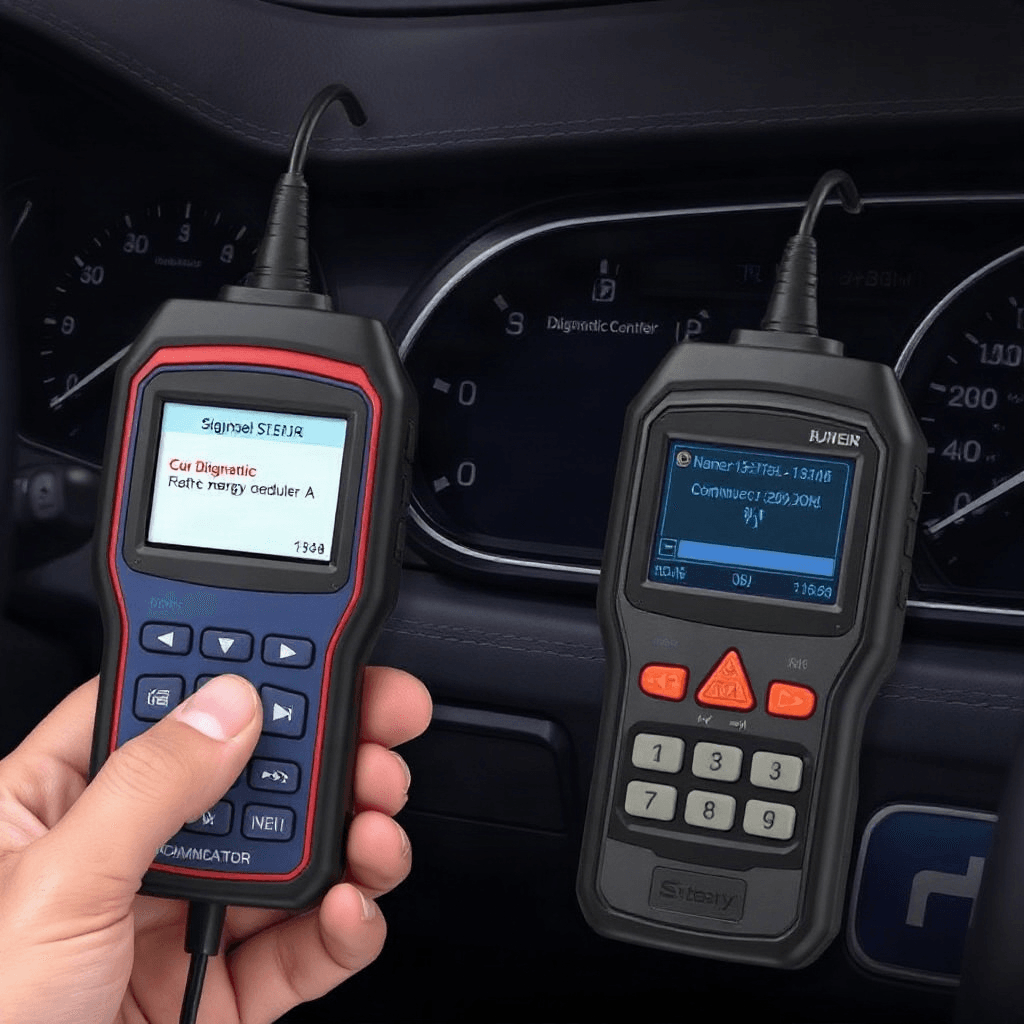
Utilizing professional diagnostic tools is indispensable when dealing with network DTCs. These tools offer a comprehensive view of the vehicle’s electronic systems, allowing for precise identification of issues. Unlike basic code readers, professional tools provide detailed information on each code, including possible causes and recommended solutions. This level of detail is crucial when assessing whether a module replacement is necessary. By leveraging these advanced diagnostic tools, you can ensure that any actions taken are based on accurate data, thus avoiding unnecessary repairs and focusing on actual problem resolution.
Common Missteps in Interpreting DTCs
One of the common missteps when dealing with DTCs is assuming that a code immediately indicates a failing component. In reality, many codes are triggered by momentary glitches or anomalies in the system. For instance, if a DTC suggests an issue with the vehicle’s communication network, it might simply be a result of the system’s recalibration after the battery replacement. Another common error is neglecting to clear the codes after performing initial checks and updates. Failure to do so can result in old codes continuing to appear, leading to confusion and potential misdiagnosis. By understanding these common pitfalls, you can approach DTCs with a more informed perspective, ensuring accurate and effective troubleshooting.
When to Consult a Professional
Despite your efforts, there will be instances where professional consultation becomes necessary. If after performing all initial checks and updates, the DTCs persist, it may indicate a deeper issue that requires expert attention. Professionals have the experience and tools to conduct in-depth diagnostics, ensuring that any underlying problems are identified and addressed. Consulting a professional can provide peace of mind, knowing that you’re not overlooking a critical issue. By knowing when to seek professional help, you can prevent minor problems from escalating into major repairs, ultimately ensuring the longevity and reliability of your vehicle.