P0299 Code: Turbocharger Underboost Condition
In the realm of automotive diagnostics, one of the codes that often perplexes technicians and car enthusiasts alike is the P0299 code, indicating a “Turbocharger Underboost Condition.” As vehicles become more technologically advanced and turbocharged engines increasingly common, understanding this specific diagnostic trouble code (DTC) gains importance. The P0299 code serves as a critical alert to potential issues within the turbocharging system, affecting a vehicle’s performance and efficiency. In this analysis, we delve into the intricacies of the P0299 code, exploring its causes, symptoms, diagnostic procedures, and potential fixes, ensuring engine integrity and optimal vehicle performance.
Understanding the P0299 Code
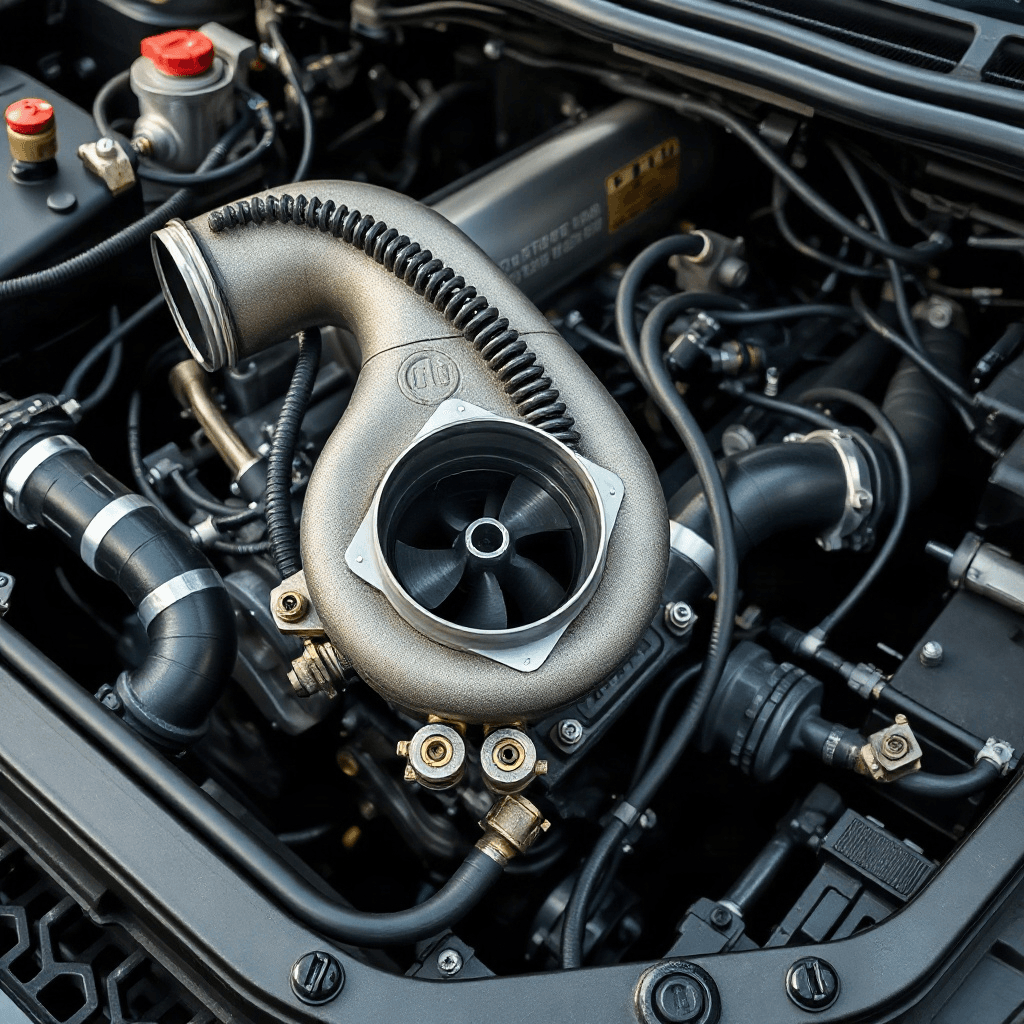
To grasp the implications of the P0299 code, we must first comprehend its meaning. This code is triggered when the engine control module (ECM) detects that the turbocharger or supercharger “A” is not providing the expected boost pressure to the engine. Turbochargers are designed to increase the efficiency and power output of an engine by forcing extra air into the combustion chamber. When the system underperforms, as indicated by the P0299 code, it often results in a noticeable drop in engine power and performance. The underboost condition indicates that the turbocharger is not achieving the pressure levels necessary for optimal engine operation, potentially leading to increased fuel consumption and reduced acceleration.
Common Causes of Turbocharger Underboost
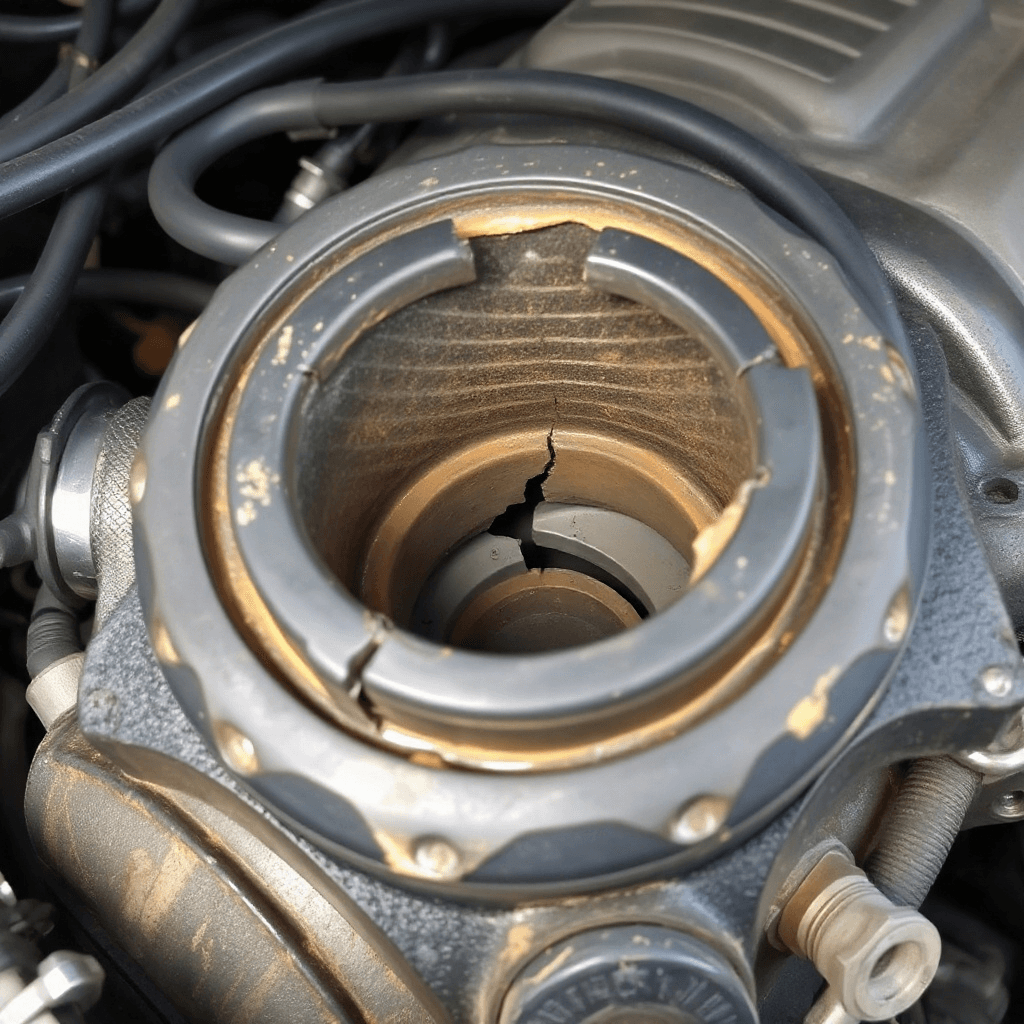
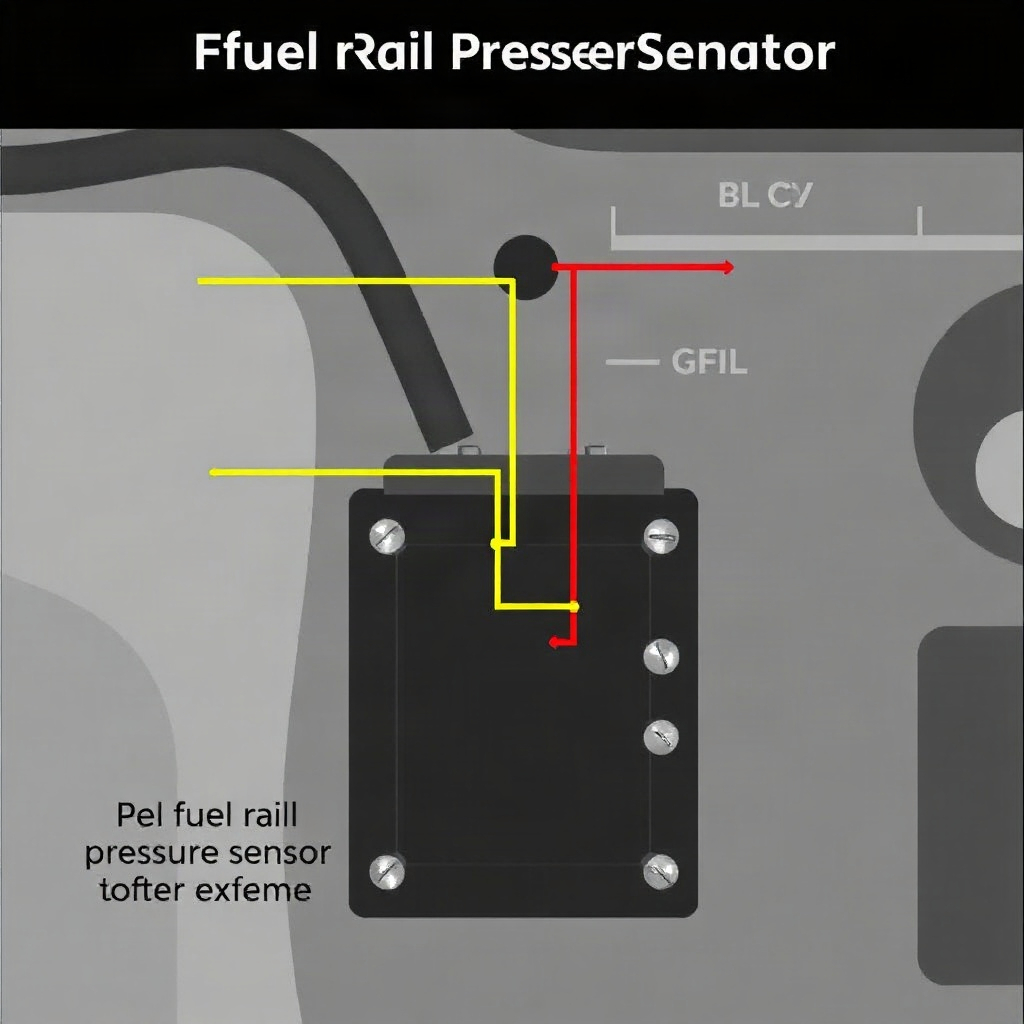
Several factors can lead to the manifestation of the P0299 code. One prevalent cause is a leak in the intake system, which can occur due to loose hoses, cracked pipes, or faulty intercoolers. These leaks prevent the turbocharger from maintaining the required boost pressure. Additionally, issues with the turbocharger itself, such as a malfunctioning wastegate, worn bearings, or damaged turbine wheels, can inhibit its ability to generate the necessary pressure. Other potential culprits include problems with the boost pressure sensor, a clogged catalytic converter, or restrictions in the exhaust system, all of which can contribute to an underboost condition. Understanding these causes is essential for accurate diagnostics and effective repair strategies.
Symptoms Indicating a P0299 Code
When a vehicle’s ECM detects a P0299 code, it often triggers the check engine light, alerting the driver to a potential issue within the turbocharging system. Beyond this warning indicator, several symptoms can manifest, signaling an underboost condition. Drivers may notice a decrease in power output, particularly during acceleration, as the engine struggles to receive adequate airflow. Additionally, there might be a reduction in fuel efficiency, as the engine compensates for the lack of boost pressure. In some cases, unusual noises, such as hissing or whistling sounds, may be audible due to air leaks in the intake system. Recognizing these symptoms is crucial for timely diagnostics and preventing further damage to the engine.
Diagnostic Procedures for the P0299 Code
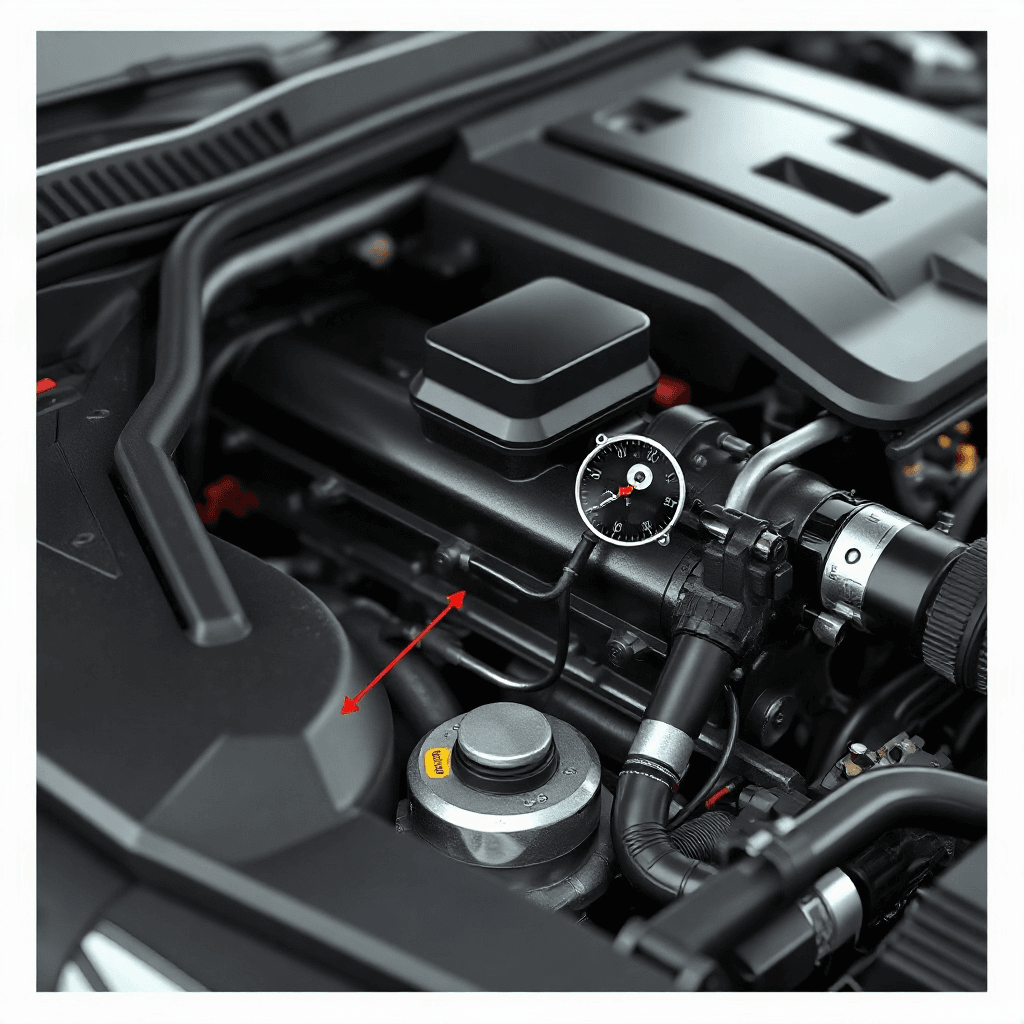
Diagnosing a P0299 code requires a methodical approach to identify the root cause of the underboost condition. The process typically begins with a thorough visual inspection of the turbocharging system, checking for visible signs of damage or leaks in the intake and exhaust components. Utilizing a scan tool, technicians can retrieve the DTC and examine live data to assess the performance of the turbocharger and related sensors. Pressure testing the intake system can help identify leaks, while examining the wastegate actuator and turbocharger components can reveal mechanical issues. In some cases, software updates for the ECM may be necessary to address underlying programming issues. Accurate diagnostics are pivotal for implementing the appropriate repairs.
Effective Solutions and Repairs
Addressing a P0299 code involves rectifying the specific issues causing the underboost condition. Depending on the diagnosis, this may include repairing or replacing damaged hoses, intercoolers, or turbocharger components. If leaks are identified, resealing connections and ensuring all components are secured properly is essential. For mechanical failures within the turbocharger, replacing worn bearings, turbine wheels, or the entire turbo unit may be necessary. Additionally, recalibrating or replacing faulty sensors, such as the boost pressure sensor, can restore accurate readings and system performance. By implementing these solutions, we can restore the vehicle’s power output and fuel efficiency, ensuring long-term engine health.
Preventive Measures and Maintenance Tips
Preventing the recurrence of a P0299 code involves adhering to regular maintenance practices and monitoring the turbocharging system’s health. Routine inspections of the intake and exhaust systems can help identify potential issues before they escalate. Ensuring proper oil levels and using high-quality oil can prolong the life of the turbocharger by preventing wear and tear on its components. Additionally, avoiding abrupt accelerations and allowing the engine to warm up before driving can mitigate stress on the turbocharger, reducing the likelihood of underboost conditions. By prioritizing preventive maintenance, we can enhance the longevity and performance of turbocharged engines.