How to Distinguish a Failed Control Module From a Power or Ground Fault
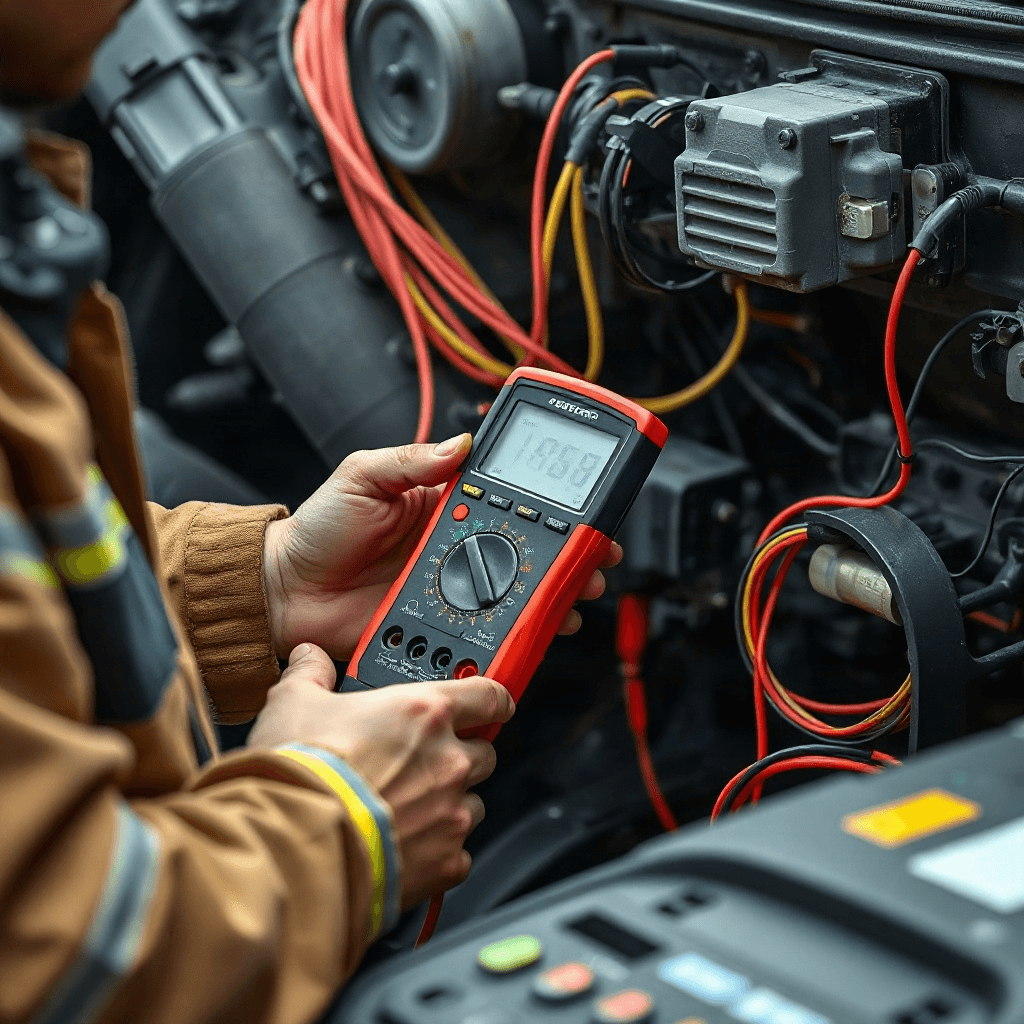
In the world of automotive diagnostics and electrical engineering, identifying the root cause of a malfunction can often be a perplexing endeavor. Whether dealing with a sophisticated vehicle or an industrial machine, the challenge of distinguishing a failed control module from a power or ground fault is a common one. As an experienced professional in this field, I’ve encountered numerous cases where the symptoms of these issues are strikingly similar, yet the solutions are vastly different. Understanding the intricacies involved in these diagnostics is not just a matter of technical skill but also an art that balances intuition with systematic analysis. In this article, we will delve into the fundamental differences between these common electrical issues and explore practical strategies for accurate diagnosis.
Understanding the Control Module
The control module, often referred to as the brain of an electronic system, plays a crucial role in managing and regulating various functions. In vehicles, for instance, it controls everything from engine performance to power windows. When a control module fails, the consequences can be wide-ranging, affecting one or several subsystems. It’s imperative to recognize the symptoms that specifically point to a module failure, such as erratic behavior across multiple systems or a complete shutdown of specific functions. However, these symptoms can also arise from issues related to power or ground faults, which is why careful diagnosis is essential. Unlike standalone electrical faults, control module failures often require module reprogramming or replacement, a task that involves significant cost and technical expertise.
Identifying Power Faults
Power faults occur when the electrical system doesn’t receive the required voltage to operate effectively. This can be due to a variety of reasons including a dead battery, faulty alternator, or a broken wire. Symptoms of a power fault can mimic those of a control module failure, with systems failing to start or functioning intermittently. However, power faults are usually isolated to specific circuits and can often be diagnosed with a multimeter by checking the voltage levels at various points in the system. Ensuring that the power supply is stable and consistent is the first step in troubleshooting any suspected module problem. It’s essential to rule out power faults before proceeding to more complex diagnostics involving the control module itself.
Recognizing Ground Faults
Ground faults are another common cause of electrical issues that can be mistaken for control module failures. These occur when there is an unintended path for electricity to the ground, often due to damaged insulation or faulty wiring. Ground faults can lead to erratic behavior in electronic systems, similar to what might be observed with a failing module. The key to identifying a ground fault lies in examining the grounding points within the system. A visual inspection can often reveal loose or corroded connections, while a continuity test can confirm whether the grounding is intact. Like power faults, ground issues typically affect specific areas and can be resolved with targeted repairs, making it crucial to address these before considering control module replacement.
Diagnostic Tools and Techniques
Accurate diagnosis of electrical issues requires a combination of tools and techniques. A digital multimeter is indispensable for measuring voltage, resistance, and continuity. Meanwhile, an oscilloscope can provide detailed insights into the signal patterns within the system, revealing abnormalities that might indicate a control module issue. In addition, diagnostic software can communicate directly with the control module to retrieve error codes and system statuses, offering valuable clues in the troubleshooting process. By systematically using these tools, one can efficiently narrow down the source of the problem, distinguishing between a failed control module and other electrical faults.
The Role of Systematic Troubleshooting
Systematic troubleshooting is the backbone of effective diagnostics. This involves a step-by-step approach, beginning with the simplest potential issues and progressing to more complex ones. For instance, verifying power and ground connections should precede any invasive diagnostics on the control module. Documenting each step and the observations made can help in avoiding redundant checks and ensuring that every possibility is explored. This methodical approach not only saves time but also minimizes the risk of misdiagnosis and unnecessary replacements, ultimately leading to more reliable and cost-effective repairs.
Conclusion Making the Right Call
Deciding between repairing a control module or addressing a power or ground fault requires a nuanced understanding of the system at hand. While the symptoms can be misleading, a structured diagnostic approach, combined with the right tools, can lead to accurate conclusions. As someone deeply entrenched in this field, I’ve learned that patience, precision, and a willingness to question initial assumptions are vital. By staying updated with the latest diagnostic techniques and technologies, professionals can enhance their ability to discern between these common yet complex issues, ensuring that repairs are both effective and efficient.