Ford Check-Engine Diagnosis: Record Freeze-Frame Data Before Clearing a Code
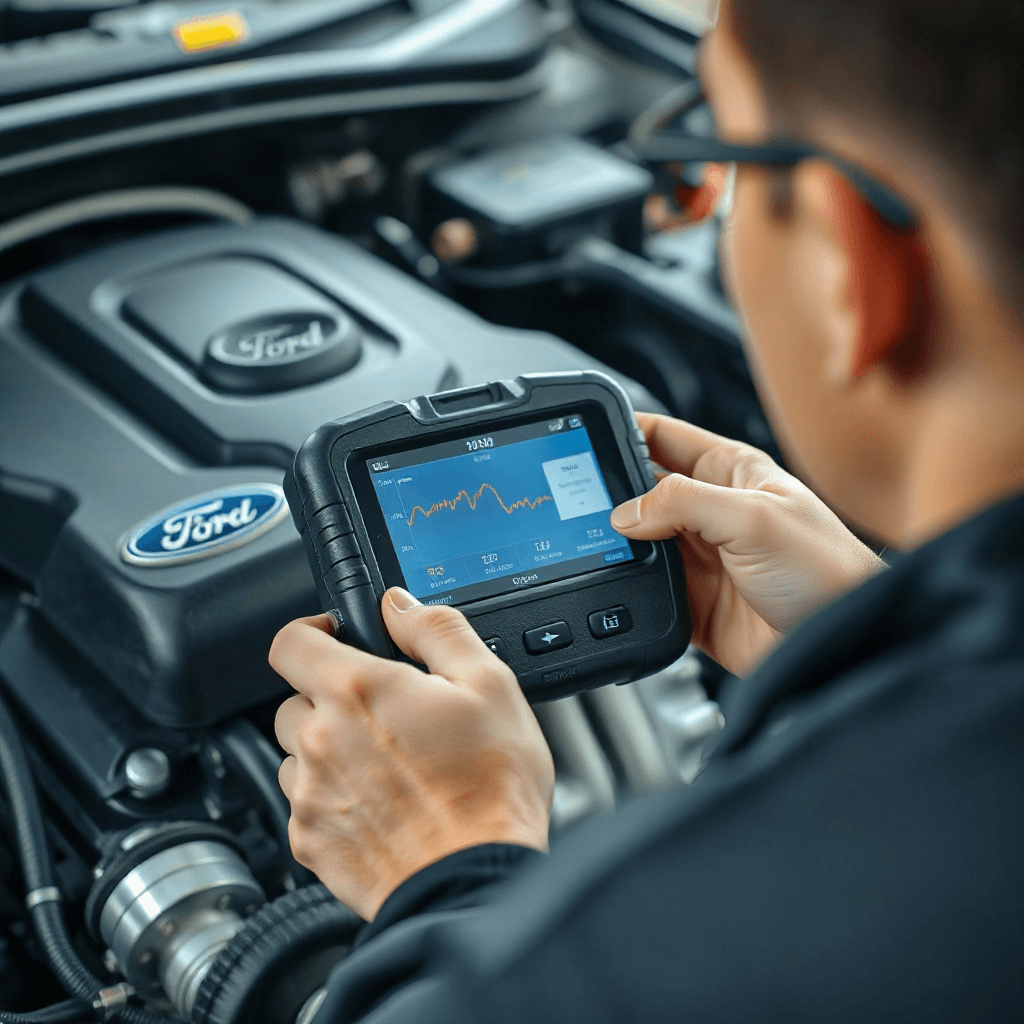
Diagnosing a check-engine light in a Ford vehicle can be a meticulous process that requires a deep understanding of automotive diagnostics. As a professional in the field, I’ve spent countless hours exploring the intricacies of engine codes and freeze-frame data. The first step in this critical operation is understanding the importance of capturing freeze-frame data before clearing any error codes. Without this data, valuable information that could help pinpoint the root cause of an issue might be lost. In this article, I will guide you through the crucial steps and considerations involved in diagnosing a check-engine light, with a particular focus on Ford vehicles.
Understanding Freeze-Frame Data in Ford Vehicles
In the realm of automotive diagnostics, freeze-frame data serves as a snapshot of the engine’s operating condition at the moment an error code is triggered. This data is invaluable because it provides insights into the vehicle’s parameters, such as engine speed, load, fuel system status, and more. When diagnosing a check-engine light in a Ford, capturing this data is essential. Without it, you’re essentially navigating blind. Freeze-frame data allows us to see the context in which the error occurred, offering clues that a simple error code might not reveal. For instance, if the vehicle was under heavy load or during a cold start, these conditions could have contributed to the issue, and knowing this can direct us towards a more accurate diagnosis.
The Importance of Not Clearing Codes Prematurely
One of the common mistakes I encounter is the premature clearing of error codes. Once codes are erased, the freeze-frame data is lost, and with it, crucial diagnostic information. It’s tempting to clear the codes to see if the problem persists, but doing so removes the opportunity to understand the conditions that triggered the fault. This can lead to misdiagnosis and potentially expensive and unnecessary repairs. Instead, it’s better to first analyze the freeze-frame data and evaluate the possible causes based on the context provided by this snapshot. Only after thoroughly investigating should any codes be cleared.
Utilizing Diagnostic Tools Effectively
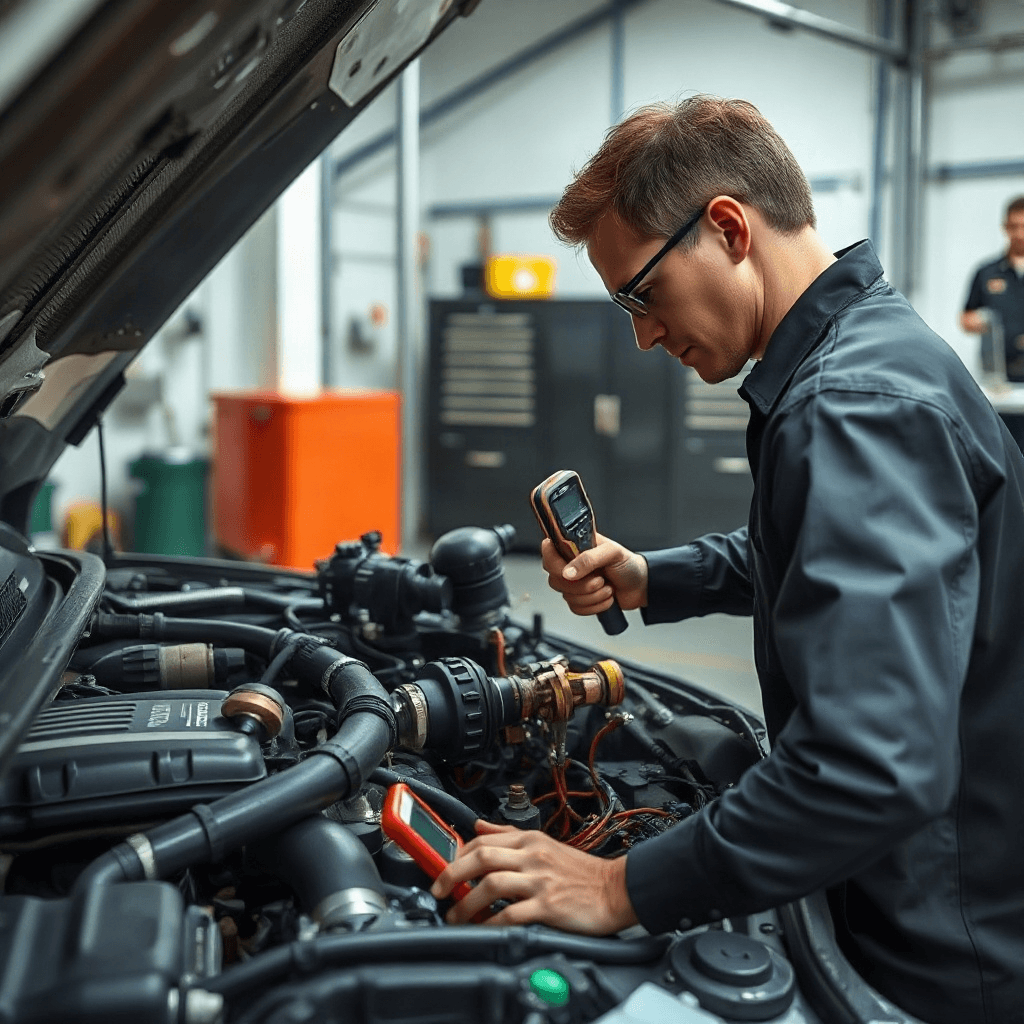
In my experience, having the right diagnostic tools is paramount when working with Ford vehicles. Advanced diagnostic scanners that can read and interpret freeze-frame data are invaluable. These tools allow us not only to retrieve error codes but also to understand the environmental conditions at the time of the error. Modern scanners can provide real-time data and even predict potential issues based on trends. Investing in high-quality diagnostic equipment is essential for anyone serious about automotive diagnostics, as it enables a more comprehensive and precise analysis.
Common Causes of Check-Engine Lights in Ford
While the check-engine light can be triggered by a myriad of issues, there are common culprits specific to Ford vehicles that I have frequently encountered. These include problems with the oxygen sensor, the mass airflow sensor, and the catalytic converter. Each of these components plays a critical role in the vehicle’s emissions system, and faults can lead to increased emissions and decreased fuel efficiency. Understanding these common issues and how they manifest in freeze-frame data can expedite the diagnostic process, allowing for quicker and more effective repairs.
Steps to Take After Capturing Freeze-Frame Data
Once freeze-frame data is captured, the next step involves a detailed analysis. This includes comparing the data against standard operating parameters and looking for anomalies that could indicate a problem. In Ford vehicles, temperature readings, fuel trim levels, and engine load are particularly telling metrics. After analyzing the data, it’s crucial to conduct a physical inspection of the suspected components. This might involve checking electrical connections, examining sensors, or testing the vehicle’s fuel system. By combining data analysis with hands-on inspection, a more accurate diagnosis can be achieved.
Preventive Measures and Maintenance Tips
Preventive maintenance is key to avoiding check-engine light issues in the first place. Regularly servicing your Ford vehicle, keeping up with oil changes, and ensuring that all sensors and components are functioning correctly can go a long way in preventing faults. Additionally, understanding how your vehicle responds under different conditions and being proactive about addressing minor issues before they escalate can save time and money. Regular use of diagnostic tools to monitor your vehicle’s performance is also a good practice to adopt.