Sudden Drop in Fuel Economy: What Data and Driving Conditions to Compare
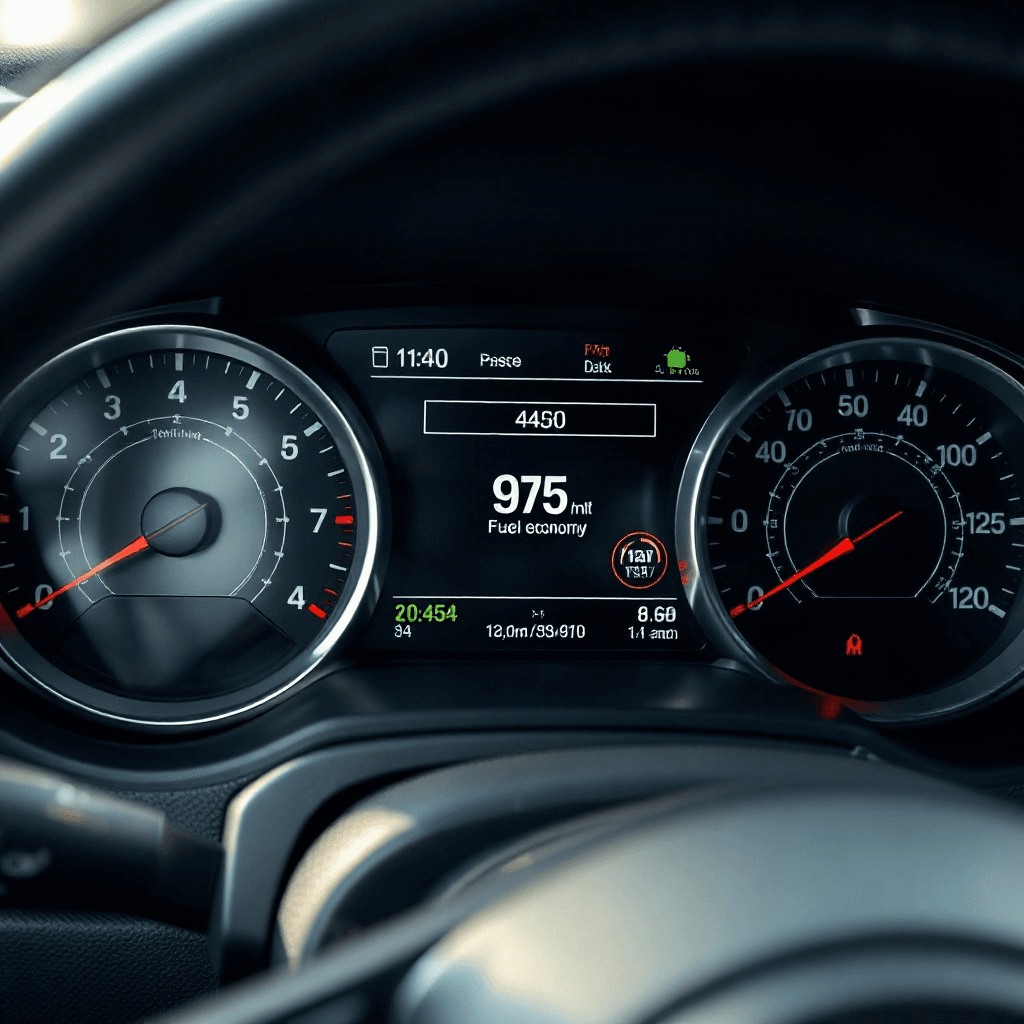
A sudden drop in fuel economy can be a frustrating experience for drivers who are accustomed to a certain level of efficiency from their vehicles. This article aims to explore the various factors and data points that could contribute to this issue, offering a comprehensive guide to understanding and addressing the decline. From vehicle maintenance issues to external driving conditions, we will delve into the multifaceted aspects that could affect your vehicle’s fuel economy. By examining relevant data and comparing different driving conditions, you can potentially identify the root cause and make informed decisions to restore optimal performance.
Understanding Vehicle Specifications and Maintenance
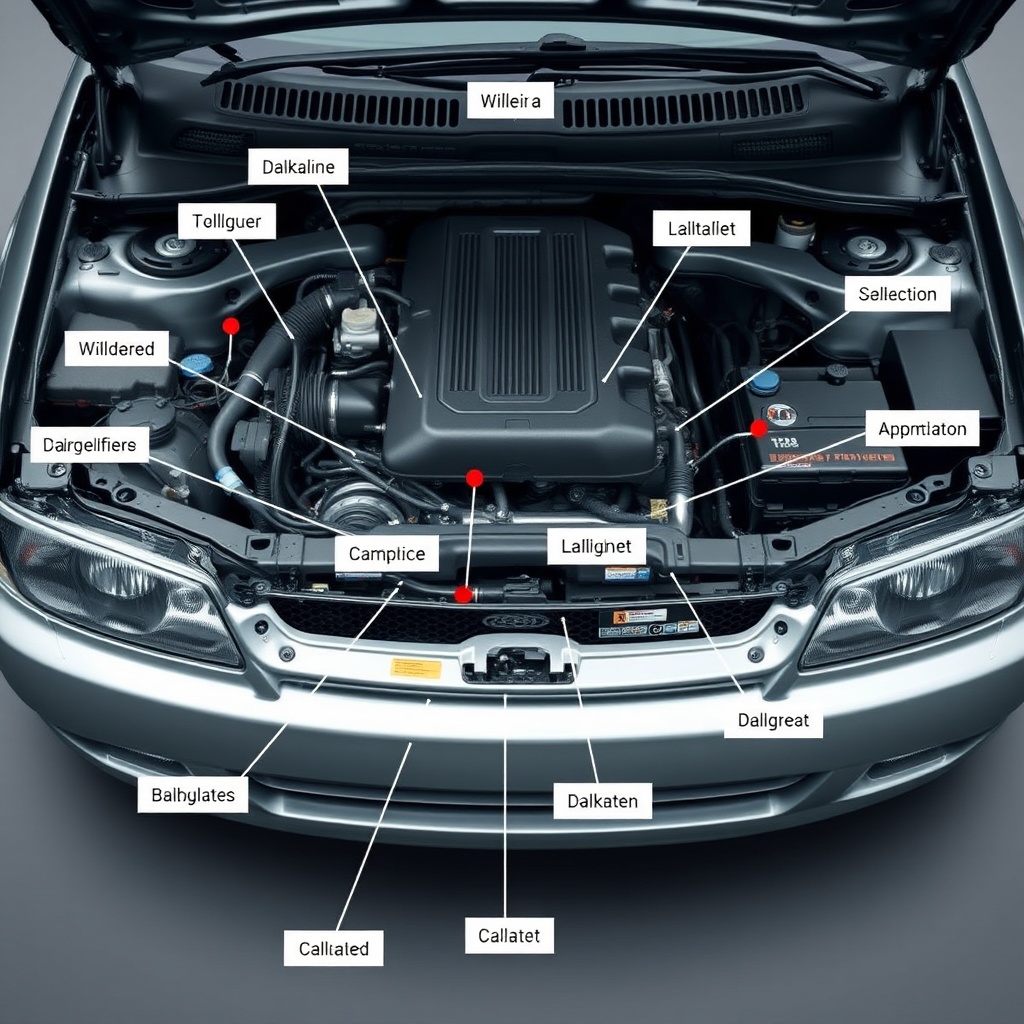
The first step in diagnosing a sudden drop in fuel economy is to thoroughly understand your vehicle’s specifications and maintenance history. Factors such as engine type, transmission, and even the type of fuel used can significantly influence fuel efficiency. It’s crucial to ensure that your vehicle has been maintained according to the manufacturer’s guidelines. Regular maintenance checks, including oil changes, air filter replacements, and tire rotations, can prevent inefficiencies. A clogged air filter or under-inflated tires, for instance, can lead to increased fuel consumption. Therefore, reviewing the vehicle’s service records and ensuring all components are in optimal condition is a foundational step in addressing this issue.
Analyzing Driving Behavior and Patterns
Driving behavior is another critical component that can influence fuel economy. Aggressive driving habits such as rapid acceleration, speeding, and abrupt braking can drastically reduce a vehicle’s efficiency. Additionally, frequent short trips where the engine doesn’t reach its optimal operating temperature can also contribute to decreased fuel economy. Reviewing data from your vehicle’s onboard diagnostics system, if available, can provide insights into your driving patterns. Consider adopting smoother driving techniques and limiting excessive idling to improve overall efficiency. By being conscious of your driving habits, you can potentially reverse a negative trend in fuel economy.
The Impact of External Environmental Conditions
Environmental conditions such as weather and terrain play an important role in fuel consumption. Driving in extreme temperatures, whether hot or cold, can force your vehicle to work harder, thereby consuming more fuel. Similarly, driving in hilly or mountainous terrains requires more power, affecting fuel efficiency. Seasonal changes, such as winter driving, often lead to increased use of heaters and defrosters, which can also impact fuel economy. It’s important to compare fuel consumption data across different seasons and terrains to understand how these external factors may be contributing to the issue.
Evaluating the Quality and Type of Fuel
The type and quality of fuel used can have a significant impact on a vehicle’s fuel economy. Poor quality fuel may contain impurities that can affect engine performance, while the wrong octane level can lead to knocking or pinging, which can damage the engine over time. It’s vital to ensure that you are using the recommended fuel type for your vehicle. Additionally, consider the possibility of fuel dilution, which can occur when fuel is contaminated with water or other substances. Regularly reviewing your fuel receipts and monitoring any changes in fuel brand or type can help identify if fuel quality is a contributing factor to decreased efficiency.
Leveraging Technology for Efficiency Tracking
Modern vehicles are equipped with a range of technologies designed to monitor and improve fuel economy. Utilizing onboard diagnostics systems and fuel economy tracking apps can provide valuable insights into your vehicle’s performance. These tools can help identify trends and anomalies in fuel consumption, allowing you to make data-driven decisions. Comparing historical data with current performance metrics can help isolate issues related to mechanical problems or changes in driving conditions. By leveraging technology, you can take a proactive approach to managing fuel economy and identifying potential areas for improvement.
Considering Potential Mechanical Issues
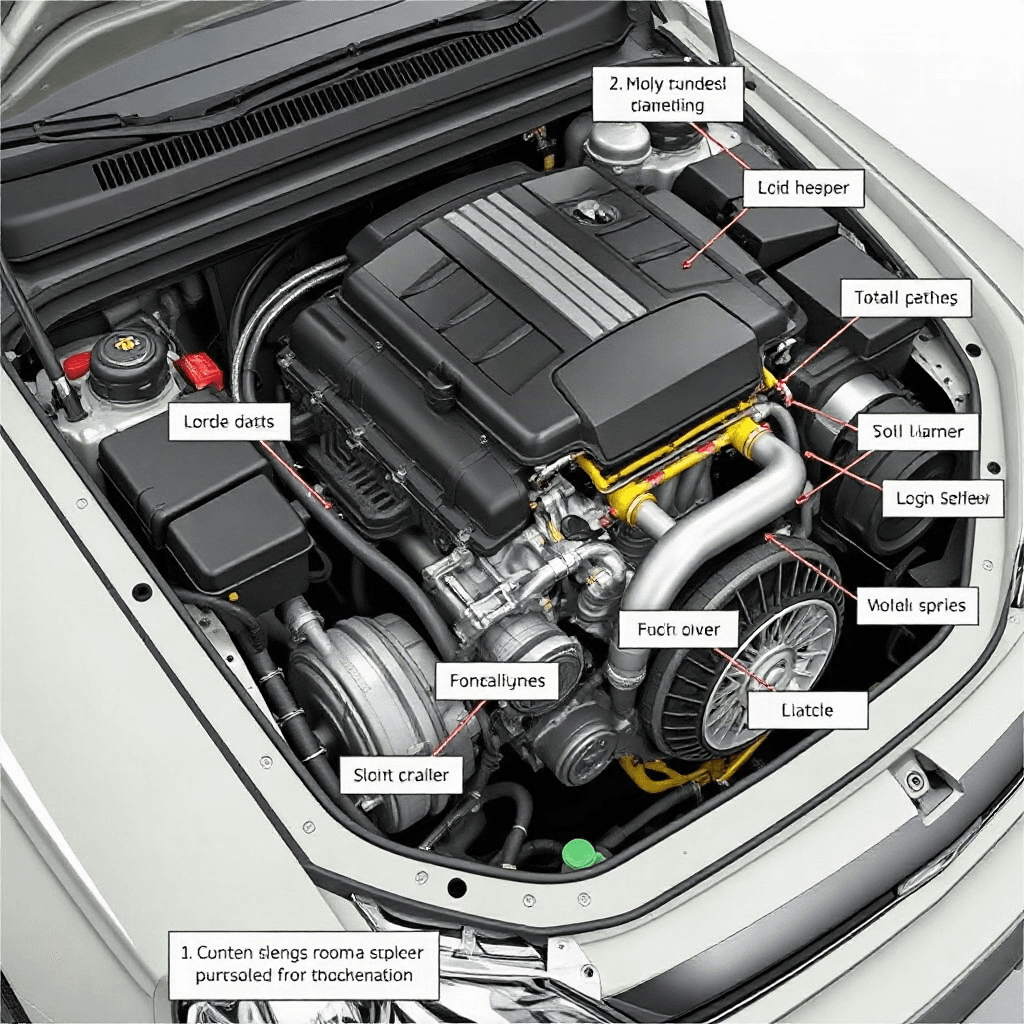
Mechanical issues such as problems with the fuel injection system, engine misfires, or transmission problems can lead to reduced fuel economy. It’s important to listen for unusual noises or changes in vehicle performance, as these could be indicators of underlying issues. A comprehensive diagnostic check by a qualified mechanic can identify mechanical problems that may not be immediately obvious. This step is crucial if simpler solutions, such as changes in driving habits or fuel quality, do not resolve the issue. Addressing mechanical issues promptly can prevent further damage and improve fuel efficiency, ensuring your vehicle operates at its best.