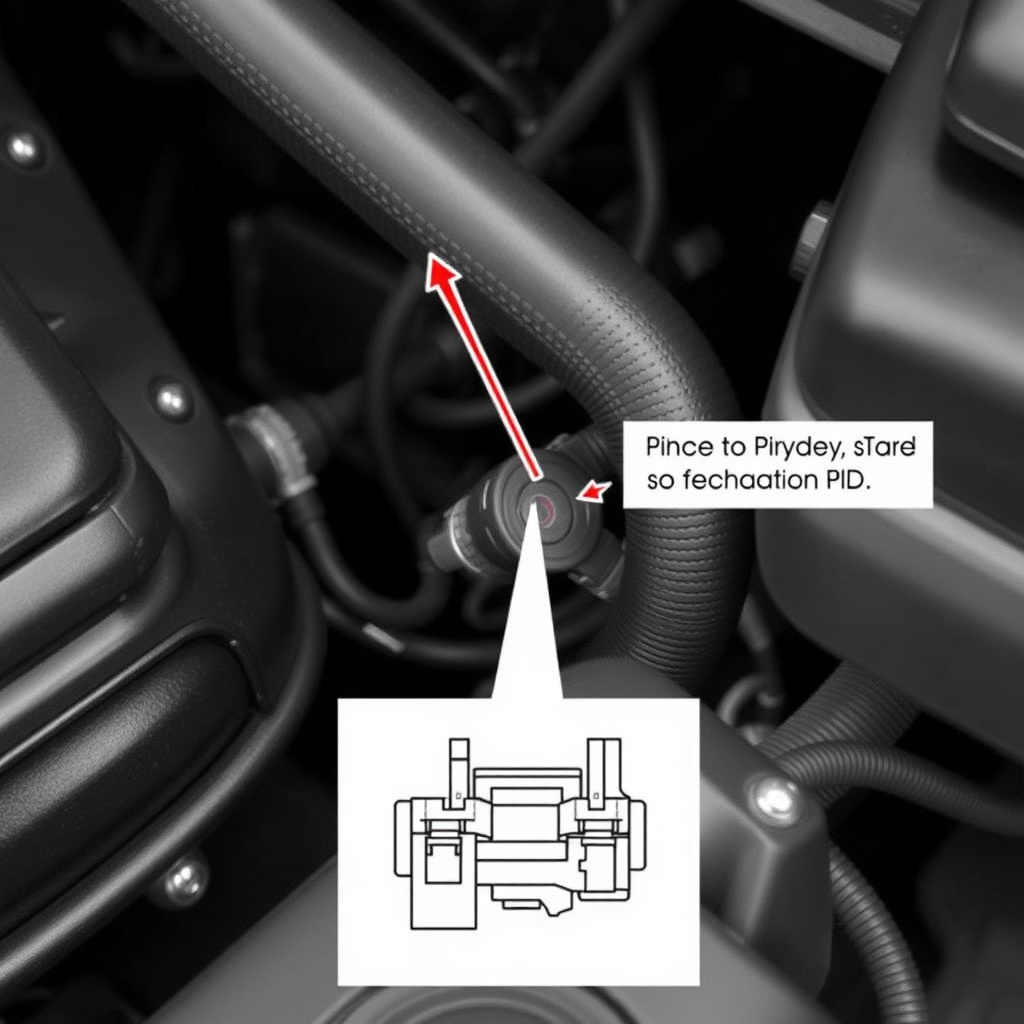
Nissan Manufacturer-Specific Codes: Verify the Definition for Engine and Model Year

In the automotive world, understanding manufacturer-specific diagnostic codes is crucial for both technicians and vehicle owners. These codes, particularly for brands like Nissan, provide detailed insights into the vehicle’s health and functionality. When dealing with Nissan vehicles, recognizing and verifying these codes is essential, especially since they can vary significantly based on the engine type and model year. This article delves into the intricacies of Nissan-specific codes, offering a comprehensive guide to their definition and application.
Understanding Nissan Manufacturer-Specific Codes
Nissan, like many other automakers, uses a set of diagnostic trouble codes (DTCs) that are specific to their vehicles. These codes help in identifying specific issues related to various vehicle components. Unlike generic codes, which are standardized across different car manufacturers, Nissan’s codes can provide more precise information that is tailored to their vehicles. This specificity allows for a more accurate diagnosis of problems, enabling efficient repairs. Understanding these codes requires a familiarity with Nissan’s diagnostic system and a grasp of how these codes relate to the vehicle’s engine and other critical components.
The Importance of Engine Type in Diagnostic Codes
The engine type in a Nissan vehicle can significantly influence the diagnostic codes generated. Different engines have unique configurations, components, and systems that can affect how codes are triggered and interpreted. For instance, a code that might indicate a minor issue in one engine type could signal a more severe problem in another. Therefore, technicians must consider the engine specifications when analyzing diagnostic codes. This knowledge ensures that the diagnosis is accurate and that any subsequent repairs are appropriate for the specific engine involved.
Model Year Variations in Nissan Codes
The model year of a Nissan vehicle also plays a vital role in the interpretation of diagnostic codes. As technology advances, vehicle systems become more complex, leading to changes in the diagnostic codes used. A code that applied to a 2010 Nissan might not be relevant for a 2020 model. Thus, staying updated with the latest Nissan diagnostic code definitions is crucial for accurate vehicle maintenance and repair. Understanding how these codes have evolved over different model years can also assist in identifying common issues and trends within specific vehicle generations.
Common Nissan Diagnostic Codes and Their Meanings
Certain diagnostic codes are more commonly encountered in Nissan vehicles, and understanding these can significantly aid in troubleshooting. Common codes often relate to engine misfires, sensor malfunctions, and transmission issues. For example, a code indicating an oxygen sensor malfunction could lead to further inspections of the exhaust system. Recognizing these common codes and knowing their implications can streamline the diagnostic process, saving time and resources. Familiarity with these codes can also prevent misdiagnoses, ensuring that the correct issues are addressed promptly.
Tools and Techniques for Verifying Codes
Verifying Nissan-specific diagnostic codes requires a combination of the right tools and techniques. Technicians often use advanced diagnostic scanners that can read and interpret these codes accurately. These tools are designed to interface with the vehicle’s onboard computer system, providing real-time data that can be crucial for diagnosis. Additionally, staying informed about the latest updates in diagnostic software and tools can enhance the accuracy of code verification. Using these tools effectively requires technical expertise and an understanding of Nissan’s diagnostic protocols.
The Role of Professional Training in Code Interpretation
Professional training is indispensable for accurately interpreting Nissan’s manufacturer-specific codes. As vehicles become more technologically advanced, the complexity of diagnostic systems increases, necessitating a higher level of expertise. Training programs that focus on Nissan vehicles can provide technicians with the necessary skills to decode and address these specific codes effectively. Such training often includes practical experience with diagnostic tools, as well as theoretical knowledge of Nissan’s vehicle systems. By investing in professional development, technicians can ensure they are equipped to handle the nuances of Nissan’s diagnostic codes.
[kelime] could be an internal link to a related topic such as “Understanding OBD-II Systems.”