Hyundai Check-Engine Codes: A Pre-Repair Checklist for Saving Scan Data
The modern automobile is a marvel of engineering, packed with sophisticated computer systems that monitor and control various components to ensure optimal performance. One of the most important systems in any vehicle is the onboard diagnostics (OBD) system, which provides critical information about the health of the car’s engine and other systems. For Hyundai vehicles, understanding check-engine codes is crucial for diagnosing potential issues before they escalate into costly repairs. This guide will walk through the essential steps for saving scan data, which is invaluable for both car owners and professional mechanics.
Understanding Hyundai Check-Engine Codes
Hyundai vehicles, like all modern cars, are equipped with an onboard diagnostics system that generates check-engine codes to alert drivers to potential problems. These codes are alphanumeric combinations that correspond to specific issues detected by the vehicle’s sensors. They can indicate anything from a loose gas cap to more serious engine malfunctions. Understanding these codes requires a proper OBD-II scanner, which interfaces with the car’s computer system. It is crucial for them to familiarize themselves with the common codes and their meanings, as this knowledge can help in making informed decisions about necessary repairs. Moreover, accurately interpreting these codes can save a significant amount of time and money by pinpointing the exact issue rather than relying on guesswork.
Preparing for a Scan
Before diving into the scanning process, they should make sure to prepare adequately. First, they need to ensure that the vehicle is parked on a level surface with the engine turned off. Having the vehicle identification number (VIN) and any previous maintenance records on hand can also be helpful. It’s recommended to use a high-quality OBD-II scanner compatible with Hyundai vehicles, as this will guarantee accurate readings. They should also ensure that the scanner’s firmware is up to date to avoid any compatibility issues. Taking these preparatory steps will help streamline the scanning process, allowing them to focus on interpreting the data rather than troubleshooting technical problems.
Conducting the Scan
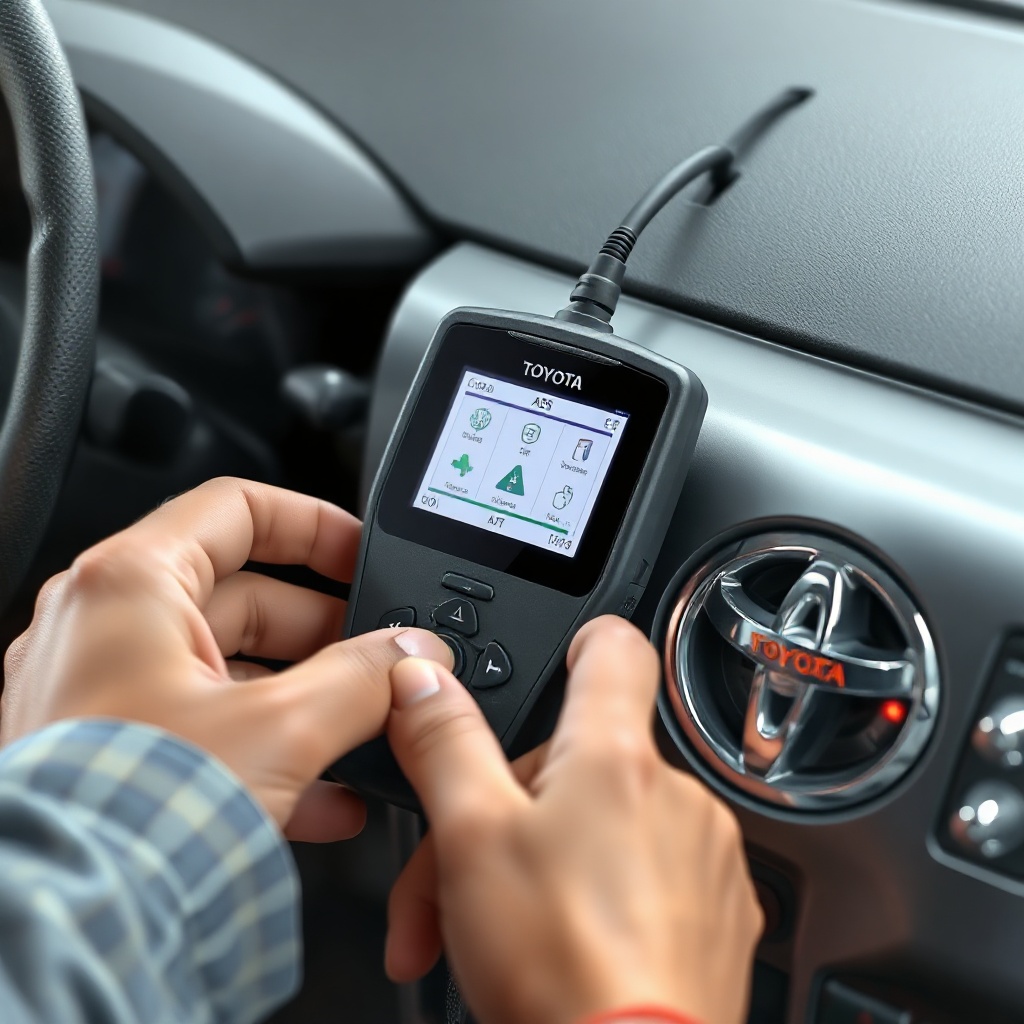
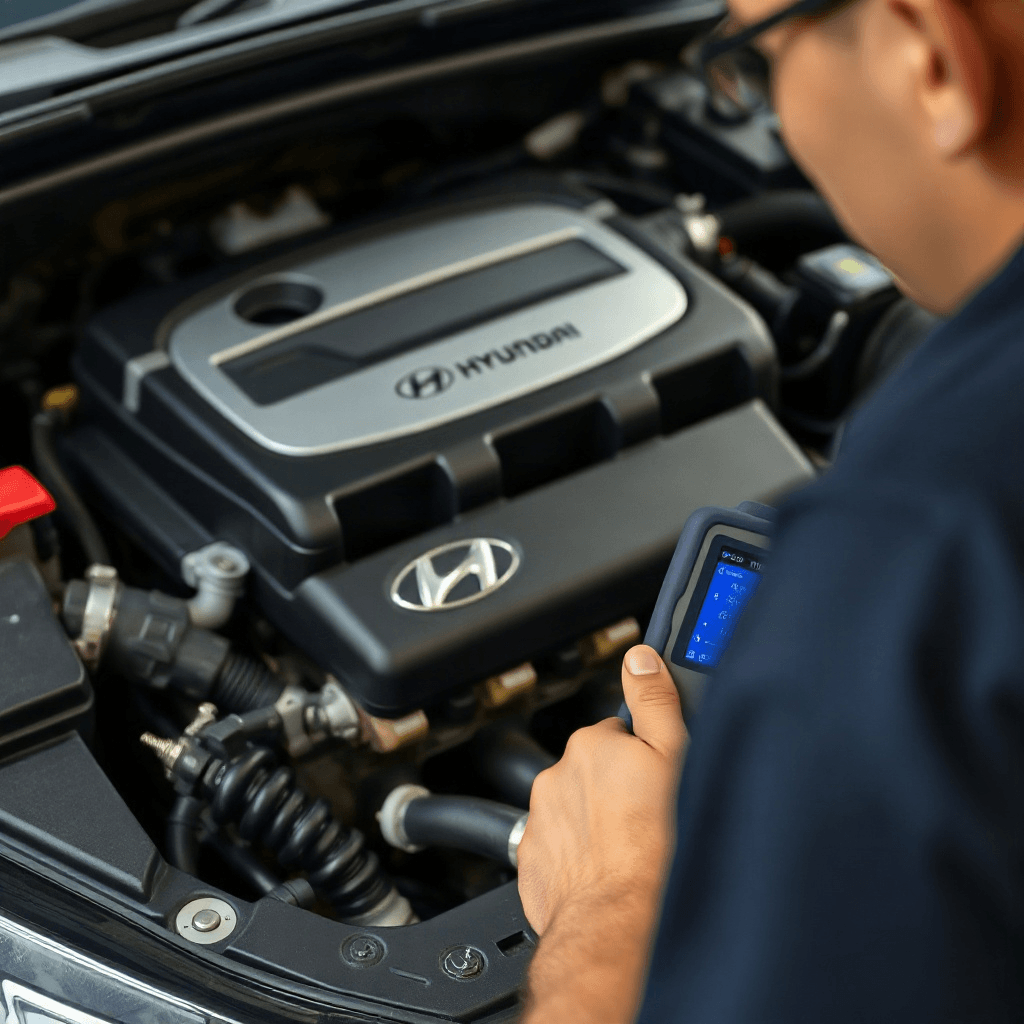
Once they have prepared the vehicle and gathered the necessary tools, they can proceed with the scanning process. To begin, they need to locate the OBD-II port, which is usually found beneath the dashboard, close to the driver’s seat. After connecting the scanner to the port, they should turn the key to the “ON” position without starting the engine. This action will power the vehicle’s electronic systems and allow the scanner to communicate with the car’s computer. Following the scanner’s instructions, they should read the codes and record them for further analysis. It’s important to note any freeze frame data, which provides a snapshot of the vehicle’s condition at the time the code was set. This information can be crucial for diagnosing intermittent issues that may not be immediately apparent.
Analyzing the Data
Interpreting the scan data is the next critical step. Each code consists of a letter followed by four numbers, where the letter indicates the system affected, and the numbers provide more specific information about the issue. They should cross-reference these codes with a reliable Hyundai service manual or an online database to gain a clearer understanding of the problem. It’s also beneficial to consider the context provided by the freeze frame data, as this can offer insights into the conditions under which the issue occurred. By thoroughly analyzing the data, they can determine whether the problem can be resolved through simple maintenance or if it requires professional intervention.
Taking Appropriate Action
After analyzing the data, they need to decide on the appropriate course of action. For minor issues, such as a loose gas cap, they might be able to resolve the problem themselves and clear the code using the scanner. However, for more complex issues, it might be necessary to consult a professional mechanic who can provide a more in-depth diagnosis and repair. It’s essential to address these problems promptly, as ignoring them could lead to more severe damage and higher repair costs. By taking timely action, they can ensure the longevity and reliability of their Hyundai vehicle.
Keeping Records and Follow-Up
Finally, maintaining detailed records of the scan data and any actions taken is crucial for future reference. They should document the codes retrieved, the interpretation of those codes, and any repairs made. This information can be invaluable for future diagnostics and can also provide a comprehensive history for potential buyers if they decide to sell the vehicle. Regular follow-up scans are recommended to ensure that the issue has been resolved and that no new problems have arisen. By keeping meticulous records and conducting regular scans, they can stay ahead of potential issues and maintain their vehicle’s performance.