How Cranking Voltage Dips Can Cause Intermittent Module Dropouts
Cranking voltage dips, a common issue in automotive and industrial systems, can lead to significant operational challenges. These voltage fluctuations primarily occur when the engine starts, potentially causing intermittent module dropouts that disrupt system functionality. Understanding the mechanics behind cranking voltage dips and their impact on electrical modules is crucial for engineers and technicians alike. This article explores the intricate relationship between cranking voltage dips and module dropouts, offering insights into how to mitigate such issues effectively.
Understanding Cranking Voltage Dips
Cranking voltage dips occur when a vehicle’s starter motor demands a high current to initiate the engine, leading to a temporary decrease in system voltage. This voltage drop is often sufficient to disrupt the power supply to various electronic modules. The impact is particularly pronounced in vehicles with complex electronic systems, where even minor voltage fluctuations can lead to significant disruptions. The starter motor’s current draw can be so substantial that it momentarily reduces the voltage available to other components, thereby causing modules to reset or fail intermittently. For industrial applications, similar issues can occur with large motors or machinery that require substantial starting power.
The Role of Electrical System Design
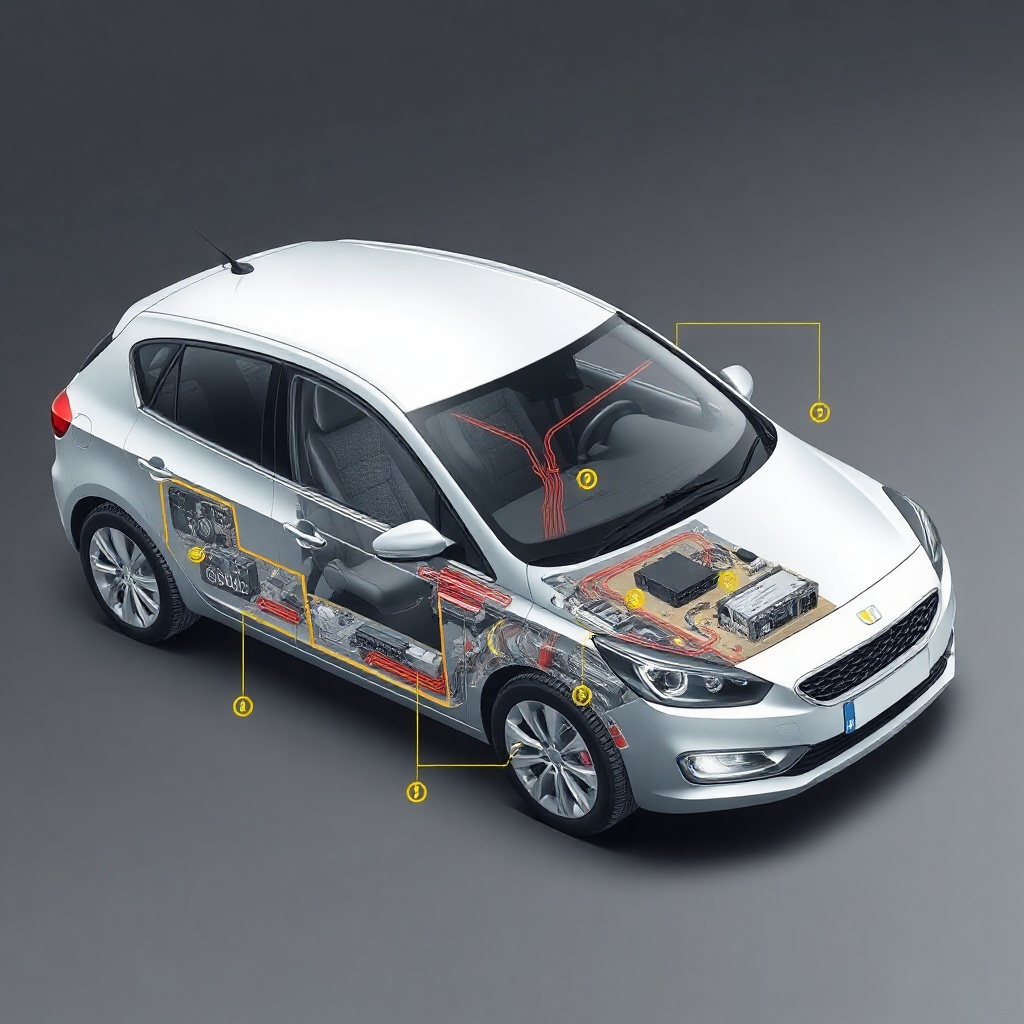
The design of an electrical system plays a pivotal role in mitigating the effects of cranking voltage dips. Engineers must consider the placement and specification of electronic modules, ensuring they are capable of operating efficiently under varying voltage conditions. Additionally, the use of voltage stabilizers or capacitors can help maintain a steady power supply, thereby reducing the risk of module dropouts. Proper grounding and wiring practices are also essential to minimize resistance and voltage loss across the system. By strategically designing the electrical system, engineers can significantly reduce the potential for voltage-related disruptions.
Impact on Vehicle and Industrial Systems
In both automotive and industrial settings, module dropouts can lead to a range of issues, from minor inconveniences to severe operational failures. In vehicles, this can mean anything from a temporary loss of infotainment system functionality to more critical failures affecting engine control modules. For industrial machinery, module dropouts can halt production lines, leading to costly downtime and potentially damaging equipment. Understanding the specific vulnerabilities of each system allows engineers to implement targeted solutions that enhance reliability and performance.
Diagnostic Techniques for Identifying Voltage Dips
Accurate diagnosis of cranking voltage dips is essential for effectively addressing these issues. Technicians can utilize advanced diagnostic tools that monitor voltage levels during engine start-up, identifying any significant dips that could lead to module dropouts. Oscilloscopes and multimeters are commonly used to capture real-time data, allowing technicians to pinpoint the source of the voltage drop. By analyzing these data, technicians can determine whether the issue stems from the battery, starter motor, or the electrical system itself. Early detection and diagnosis are crucial for implementing corrective measures before significant damage occurs.
Strategies for Mitigating Module Dropouts
To mitigate the effects of cranking voltage dips, several strategies can be employed. Installing high-quality batteries with sufficient reserve capacity ensures that voltage levels remain stable even under high current demands. Additionally, using power management systems can help distribute the electrical load more evenly, reducing the strain on individual components. Engineers can also consider upgrading alternators to provide more robust power output, ensuring that modules receive consistent voltage levels. Implementing these strategies not only prevents module dropouts but also enhances the overall efficiency and lifespan of the electrical system.
Future Trends in Voltage Management
As automotive and industrial systems become increasingly complex, the demand for advanced voltage management solutions continues to grow. Emerging technologies, such as smart power distribution systems and adaptive voltage regulators, offer promising avenues for mitigating the effects of cranking voltage dips. These technologies leverage real-time data to adjust voltage outputs dynamically, ensuring stable power delivery to all modules. As these solutions become more affordable and accessible, they are likely to play a crucial role in enhancing the reliability of both automotive and industrial systems. Keeping abreast of these trends will be essential for engineers and technicians striving to maintain optimal system performance.