Electronic Brake-Force Distribution Fault: Symptoms and Diagnostic Workflow
In the world of vehicle safety, understanding how various systems work can be a little daunting. But don’t worry, we’re here to make things simpler. Today, we’re diving into the Electronic Brake-Force Distribution (EBD) system. You might wonder, what is EBD and why is it important? Well, EBD is a crucial part of your vehicle’s braking system. It helps distribute the braking force to all wheels, ensuring your car stops efficiently and safely. When there’s a problem with this system, it can affect your car’s ability to brake properly. In this article, we’ll explore the symptoms of an EBD fault and how you can diagnose it. So, buckle up and let’s get started!
Understanding EBD and Its Importance
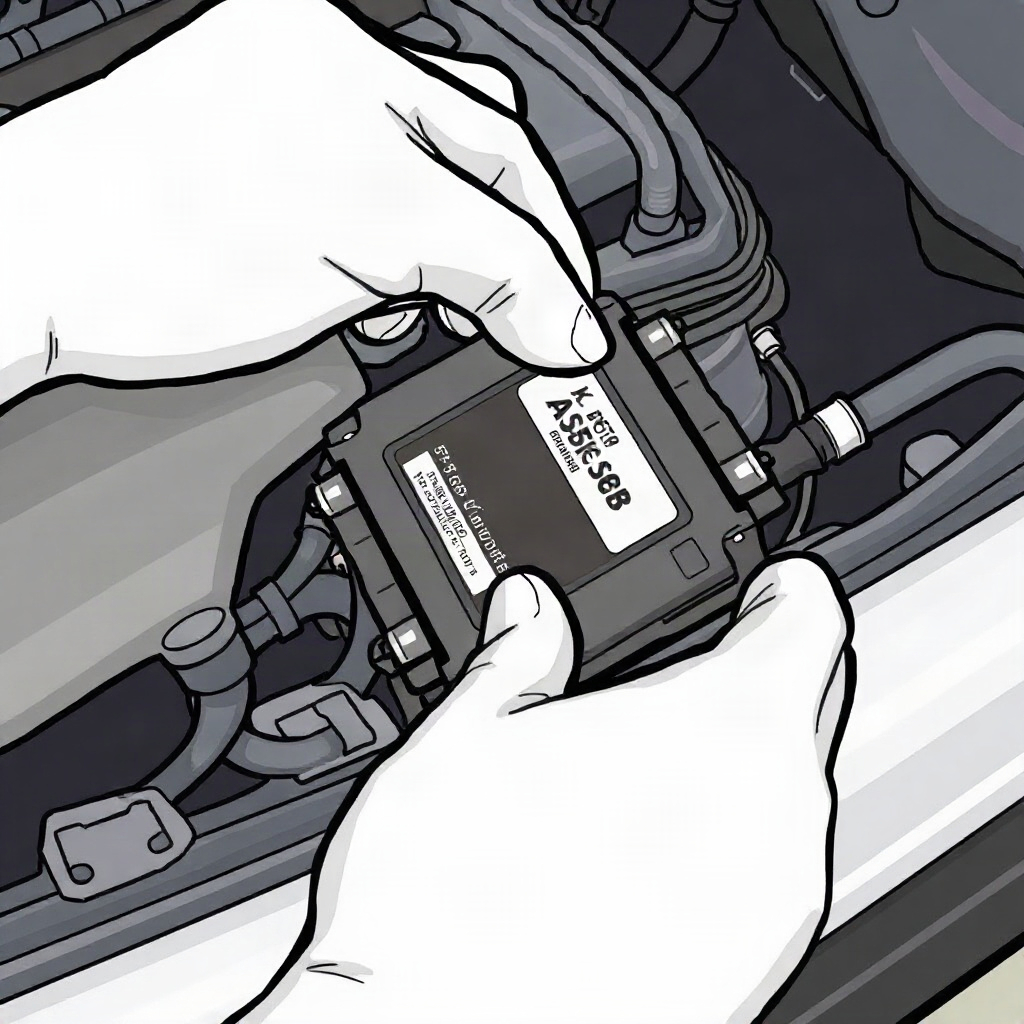
First things first, let’s get to know what EBD actually does. Imagine you’re driving, and suddenly you need to stop quickly. Your EBD system kicks in to help distribute the right amount of force to each wheel, depending on the load and road conditions. This helps prevent skidding and provides better control. Without EBD, your car would rely solely on the Anti-lock Braking System (ABS) which might not be as effective in distributing brake force during sudden stops. So, in essence, EBD makes your driving experience safer and more reliable. If EBD fails, it can lead to uneven braking, longer stopping distances, and even increased risk of accidents.
Spotting the Symptoms of EBD Fault
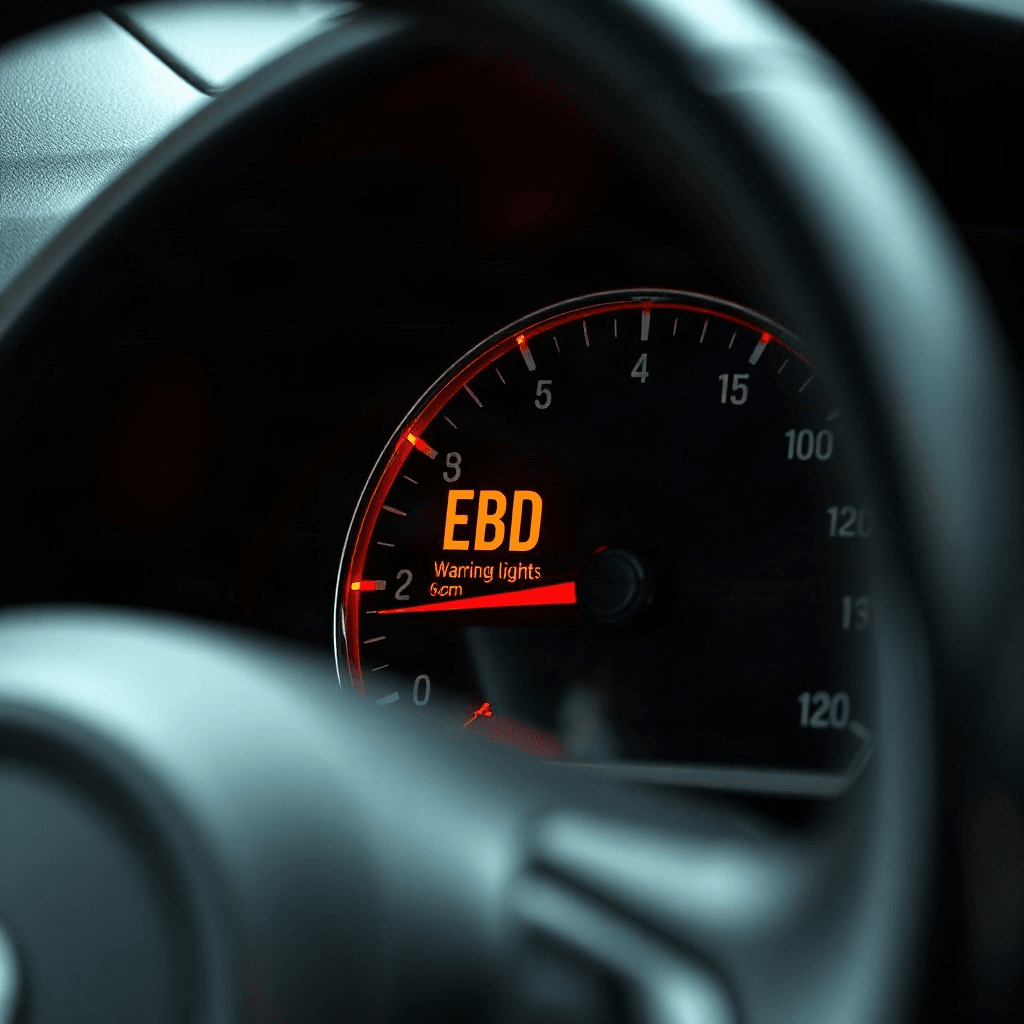
Now that you know what EBD does, how do you know when something’s wrong? There are a few telltale signs that your EBD system might not be functioning as it should. You might notice a warning light on your dashboard, often similar to the ABS light. This is your car’s way of telling you something needs attention. Another symptom could be an unusual feeling in your brake pedal, like it’s softer or harder than usual. You might also feel the car pulling to one side when braking or notice that it takes longer to stop than it should. These symptoms are not only annoying but can be dangerous, so it’s important to address them promptly.
Diagnosing EBD Issues
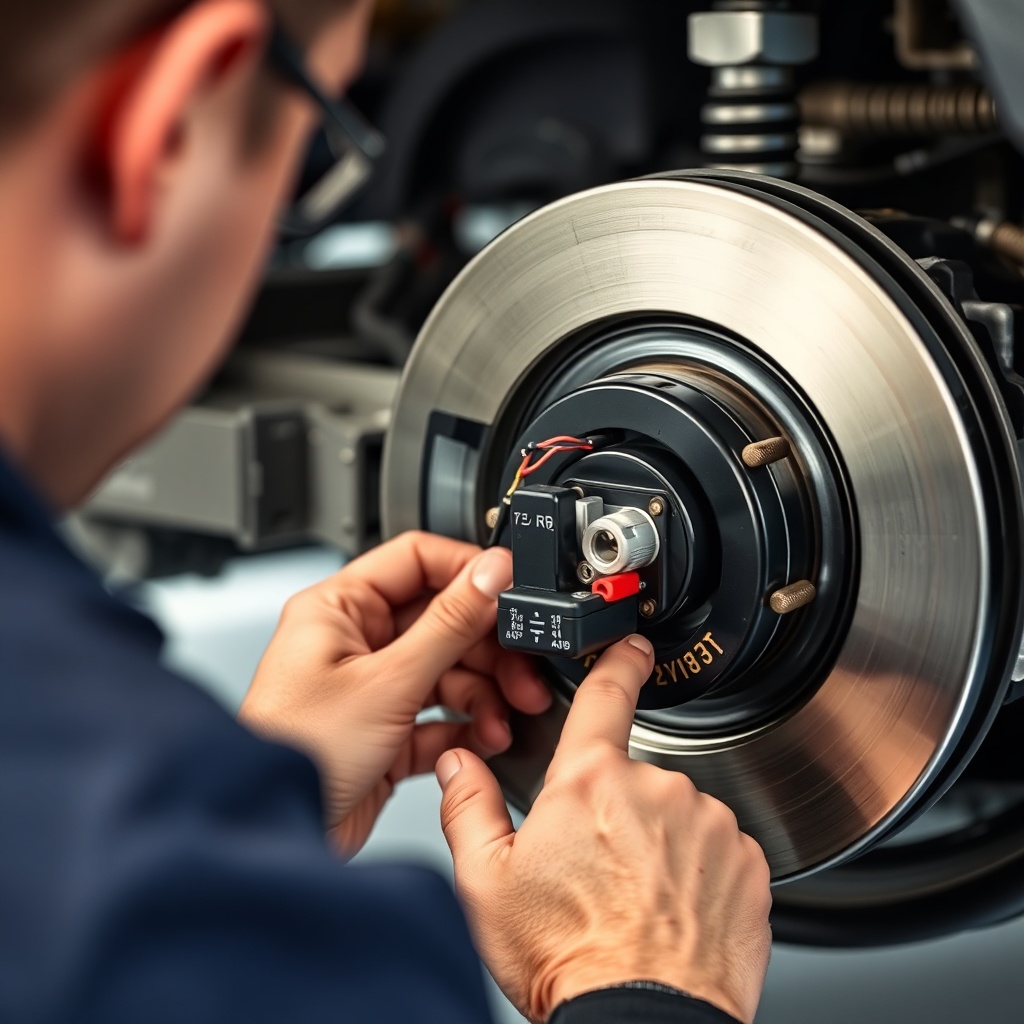
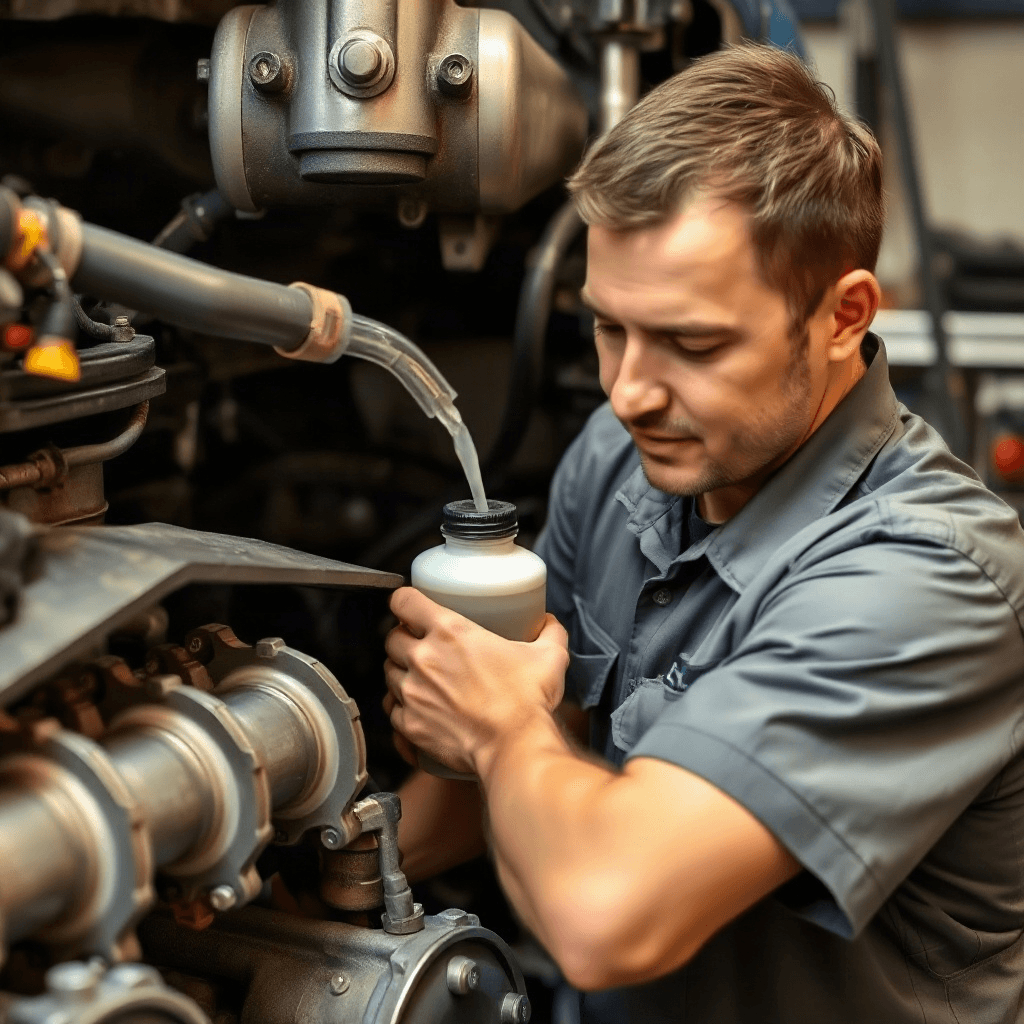
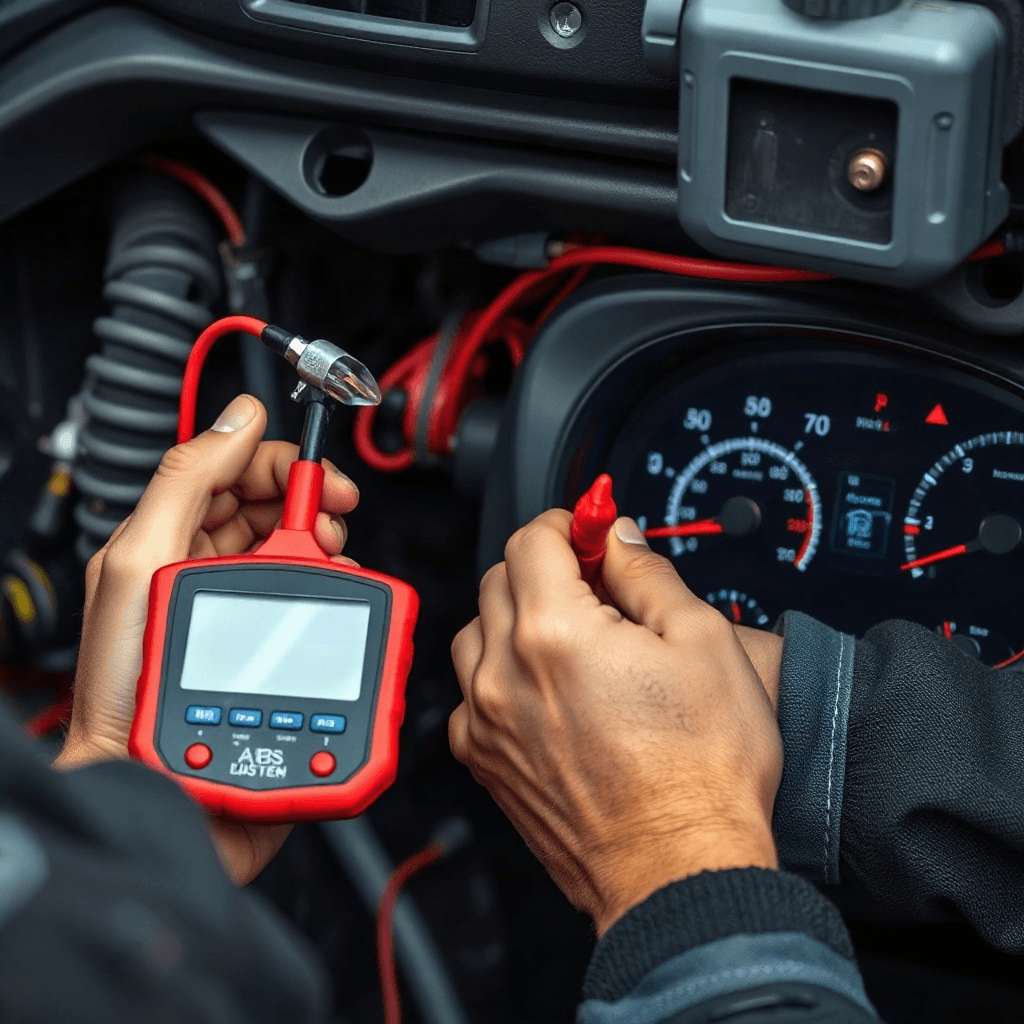
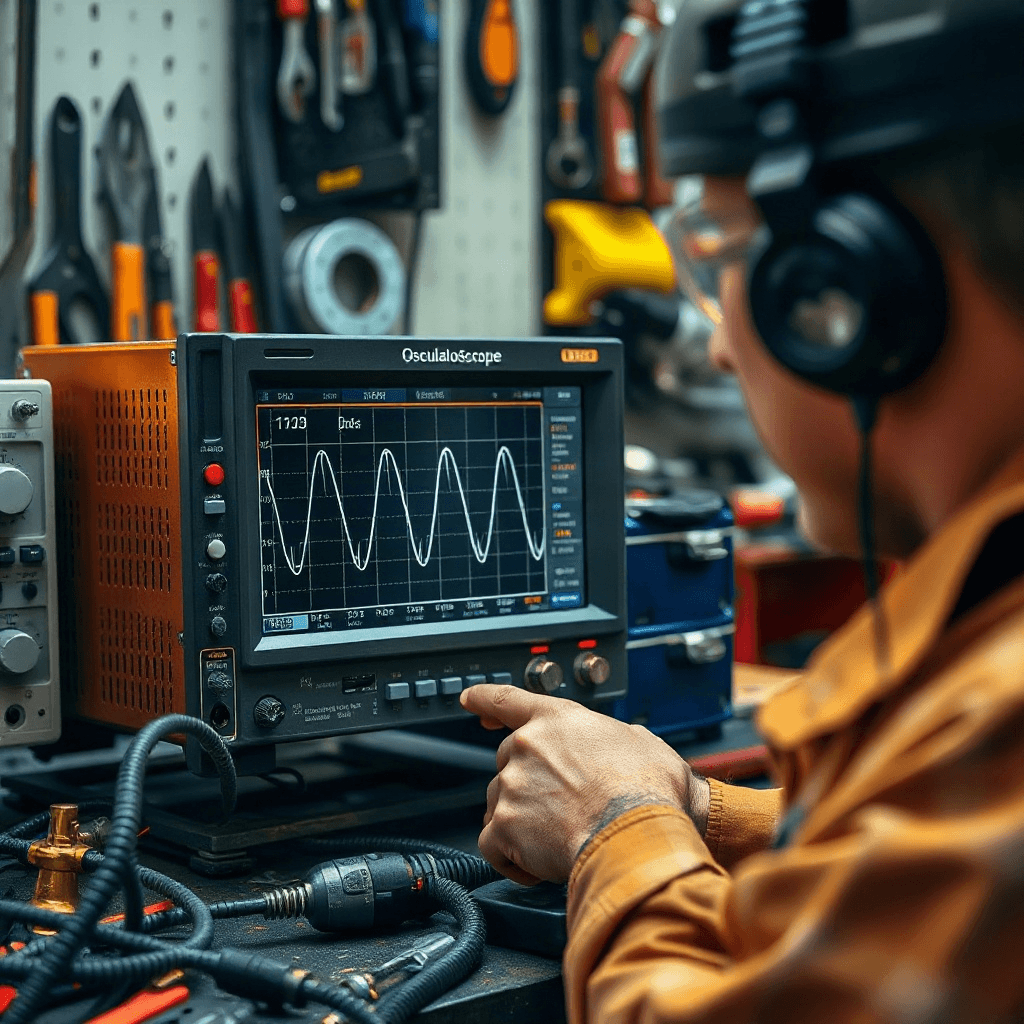
So, you’ve noticed some symptoms and now you’re wondering how to diagnose the issue. Start by checking the brake fluid level; low fluid can sometimes trigger warning lights. Next, inspect the brake pads and rotors for wear and tear. If you’re comfortable, you could use an OBD-II scanner to check for any error codes related to the EBD system. These codes can give you or a mechanic a better idea of what’s going wrong. Remember, while it’s great to have some DIY skills, complex issues should be handled by professionals. A qualified mechanic can perform more detailed diagnostics and ensure your safety.
The Role of Regular Maintenance
Prevention is better than cure, they say, and this applies to your vehicle too. Regular maintenance can help prevent EBD faults and keep your braking system in top condition. Make sure you have your brakes checked during routine vehicle services, typically every 12,000 miles or once a year. Keep an eye on brake fluid levels and replace it as needed. Regularly check for unusual noises when braking, as these can be early indicators of problems. By staying proactive about maintenance, you can help avoid unexpected EBD faults and ensure your car is safe to drive.
When to Seek Professional Help
Sometimes, despite your best efforts, an EBD fault might require professional intervention. If your dashboard warning lights persist, or if you’re experiencing severe symptoms like a strong pull to one side while braking, it’s time to see a mechanic. They have the tools and expertise to accurately diagnose and fix the problem. Remember, your safety is paramount, and a well-functioning braking system is crucial. Don’t hesitate to seek professional help when you’re unsure or when the issue seems beyond your DIY skills.
Conclusion and Next Steps
In conclusion, understanding your vehicle’s EBD system and its importance can help you spot issues early and take appropriate action. Regular maintenance, being aware of symptoms, and knowing when to get professional help are key steps in ensuring your car’s braking system works effectively. If you suspect an EBD fault, don’t ignore it. Address the problem promptly to maintain your vehicle’s safety. Remember, a safe car is a reliable car. If you want to learn more about vehicle safety systems, feel free to explore [this link] for further reading.