Blue Smoke From the Exhaust: Oil Consumption Clues and Test Priorities
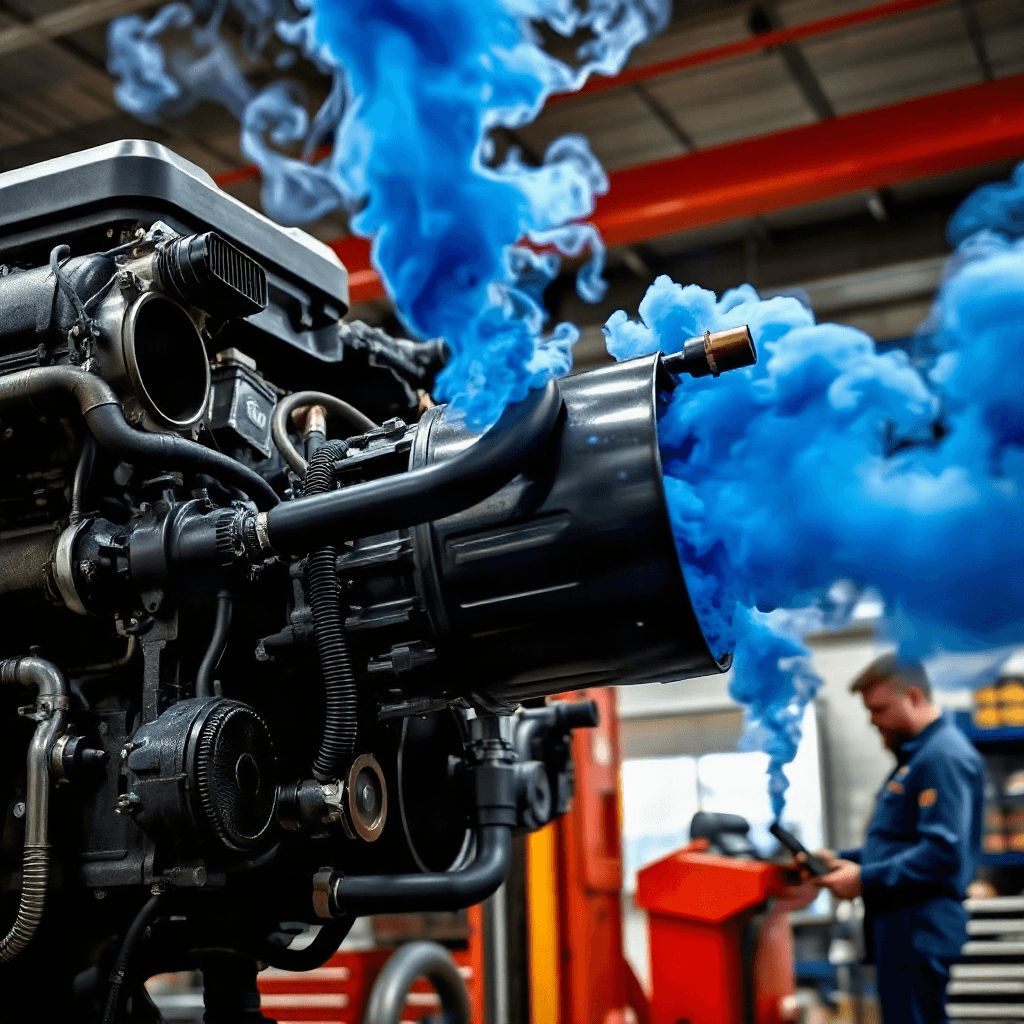
Blue smoke emitting from a vehicle’s exhaust can often be a worrying sign for car owners and mechanics alike. As someone deeply embedded in the field of automotive diagnostics, I can attest to the importance of understanding the root causes of this phenomenon. Blue smoke is typically a clear indication that oil is burning within the engine. This can be due to several underlying issues, such as worn valve seals, piston rings, or other engine components that may be failing. The presence of blue smoke should prompt an immediate investigation to prevent further damage and ensure the longevity of the vehicle. In this article, I will delve into the various clues that oil consumption provides and prioritize the tests that should be conducted to diagnose and resolve the issue efficiently.
Understanding the Causes of Blue Smoke
The appearance of blue smoke is often an indicator of oil leaking into the combustion chamber. This can be caused by several factors, including deteriorating valve seals, which allow oil to seep past and into the cylinders where it burns and produces the characteristic blue smoke. Another common cause is worn piston rings. When these rings become damaged or lose their seal, oil can slip past and mix with the fuel-air mixture, leading to combustion of the oil. In some cases, a malfunctioning turbocharger can also result in oil leakage into the exhaust system. Identifying the precise cause of blue smoke is crucial as it not only affects vehicle performance but can lead to significant engine damage if not addressed promptly.
The Role of Engine Diagnostics
Engine diagnostics play a pivotal role in pinpointing the exact source of oil consumption issues. Modern vehicles are equipped with sophisticated onboard diagnostic systems that can offer real-time data about engine performance. However, a thorough manual inspection remains indispensable. Conducting a compression test can reveal if the piston rings are failing to maintain the necessary pressure. Meanwhile, a leak-down test can help detect valve seal issues. Utilizing these diagnostic tools effectively can save both time and resources by accurately identifying the component in need of repair or replacement. It’s essential for technicians to interpret these diagnostic results with precision to recommend the correct course of action.
Prioritizing the Necessary Tests
When confronted with blue smoke, prioritizing certain diagnostic tests can expedite the troubleshooting process. Initially, a visual inspection of the engine’s exterior can identify visible leaks or damaged components. Following this, a compression test should be conducted to assess the integrity of the piston rings and cylinder walls. If the compression test results are inconclusive, a leak-down test can provide further insight into the condition of the valve seals and head gasket. Additionally, examining the turbocharger for oil residue can help identify any issues with this component. Prioritizing these tests allows for a systematic approach to diagnosing and resolving the root cause of blue smoke.
Evaluating Oil Quality and Consumption
Oil quality and consumption rates are critical factors in diagnosing engine issues related to blue smoke. Regularly monitoring oil levels and quality can offer early warnings of potential problems. If oil consumption is higher than normal, it may indicate leaks or burning within the engine. Analyzing the oil’s viscosity and presence of metal particles can also reveal engine wear. Changing oil at regular intervals and using the recommended oil grade for your vehicle can prevent many issues associated with blue smoke. It’s important for car owners to be vigilant about oil changes and to seek professional advice when unusual oil consumption patterns are observed.
Addressing Engine Wear and Tear
Engine wear and tear is an inevitable part of vehicle usage, but understanding its impact on oil consumption can prevent blue smoke. Over time, components such as the valve seals, piston rings, and bearings degrade, leading to oil leaks. Regular maintenance and timely replacement of worn components are essential in mitigating these issues. Additionally, using high-quality engine oil and additives can reduce wear and improve the longevity of engine parts. By addressing wear and tear proactively, car owners can avoid the costly repairs associated with blue smoke and maintain optimal engine performance.
Long-term Solutions and Maintenance
Implementing long-term solutions and maintenance practices is vital in managing oil consumption and preventing blue smoke. Establishing a regular maintenance schedule that includes oil changes, engine inspections, and component replacements can significantly reduce the likelihood of encountering blue smoke. Additionally, educating vehicle owners about the importance of using the correct oil type and maintaining appropriate oil levels can enhance engine durability. Long-term solutions not only address current issues but also prevent future problems, ensuring the vehicle remains in good working condition. By adopting these practices, car owners can enjoy a reliable driving experience free from the concerns of blue smoke.