How to Diagnose a No-Start Caused by a Failed Starter Control Circuit
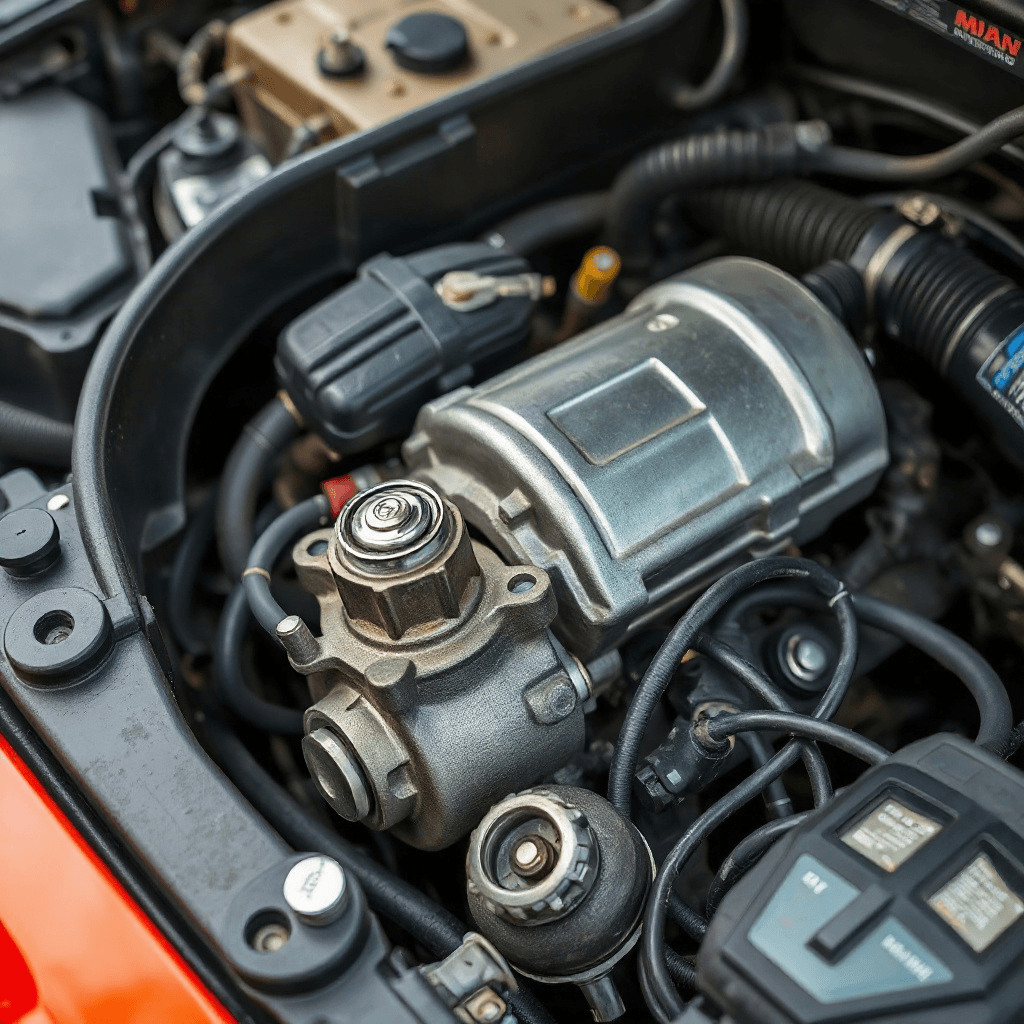
Experiencing a car that won’t start can be a frustrating ordeal, especially if you’re unsure of the underlying cause. Among the various potential culprits, a failed starter control circuit is a common issue. Understanding how to diagnose this problem is crucial for getting your vehicle back on the road. In this article, we will explore the steps involved in diagnosing a no-start issue caused by a failed starter control circuit. Our exploration will cover everything from initial checks to more detailed diagnostics, providing you with a comprehensive guide to solving this common automotive problem.
Understanding the Starter Control Circuit
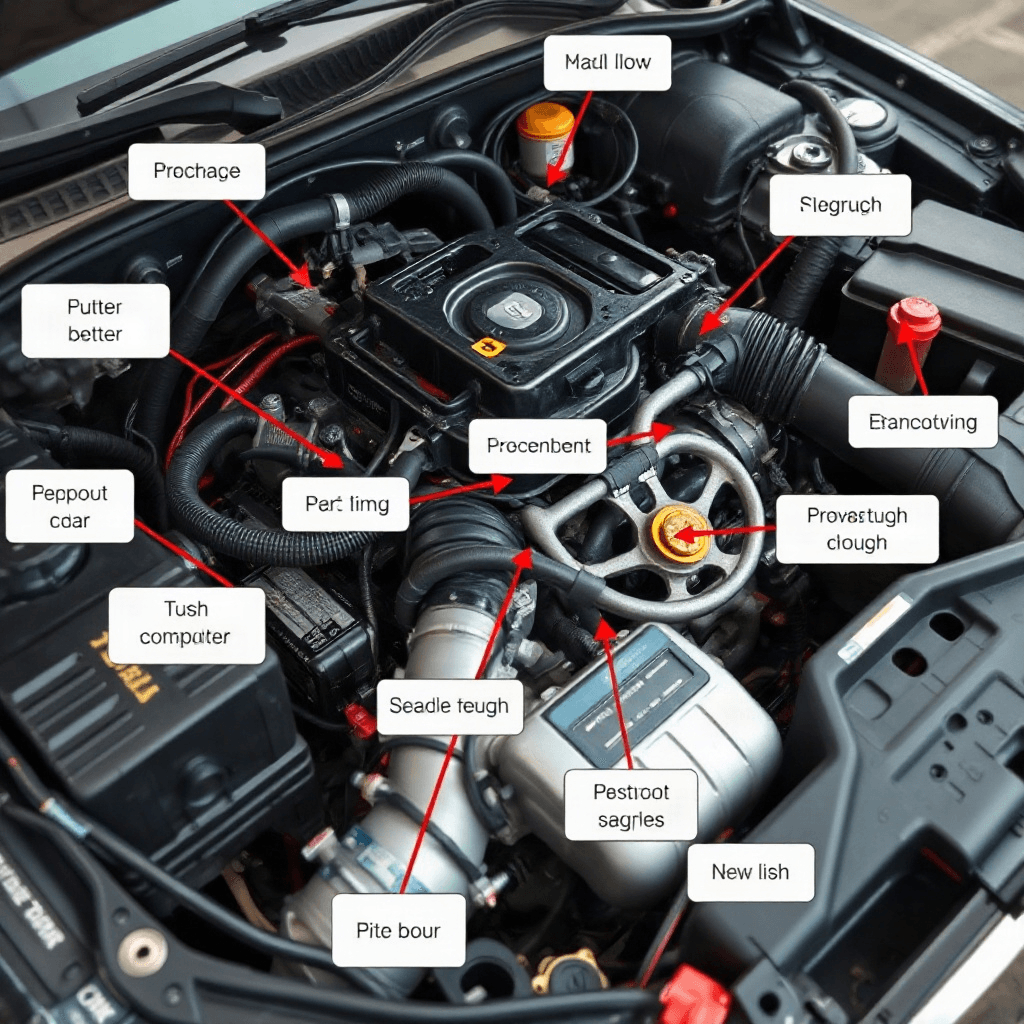
The starter control circuit is an essential component in your vehicle’s starting system. It comprises several parts, including the ignition switch, starter relay, and wiring that connects these components. When you turn the key in the ignition, this circuit sends an electrical signal to the starter motor to crank the engine. If any part of this circuit fails, your car may experience a no-start condition. Therefore, understanding how this circuit functions is the first step toward diagnosing the issue. By familiarizing yourself with the components and their interactions, you can better identify potential points of failure.
Initial Checks and Preparations
Before diving into complex diagnostic procedures, it’s prudent to perform some initial checks. Start by ensuring that the battery is fully charged and the terminals are clean and secure. A weak or dead battery is a frequent cause of starting issues, and addressing this could be a simple fix. Next, verify that the car is in Park or Neutral and that the parking brake is engaged. Sometimes, mechanical issues unrelated to the starter circuit can create a no-start scenario, so ruling these out early on saves time. Additionally, inspect the fuses related to the starter system; a blown fuse may be an easy fix to a seemingly complex problem.
Testing the Ignition Switch
The ignition switch is a critical part of the starter control circuit. If it fails, the circuit will not complete, and the engine will not turn over. To test the ignition switch, use a multimeter to check for continuity. This test will determine whether the switch is sending power to the starter relay when the key is turned. If there is no continuity, the ignition switch may be faulty and require replacement. Be sure to consult your vehicle’s service manual for specific testing procedures and values, as these can vary between models and manufacturers.
Inspecting the Starter Relay and Wiring
The starter relay acts as a bridge between the ignition switch and the starter motor. If the relay fails, the electrical signal will not reach the starter motor. To diagnose this, listen for a click sound when turning the key. A lack of sound can indicate a faulty relay. Additionally, inspect the wiring for any signs of damage or corrosion. Wires that are frayed, corroded, or disconnected can interrupt the circuit, preventing the relay from functioning correctly. Replacing damaged wires or a faulty relay may resolve the no-start condition.
Evaluating the Starter Motor Itself
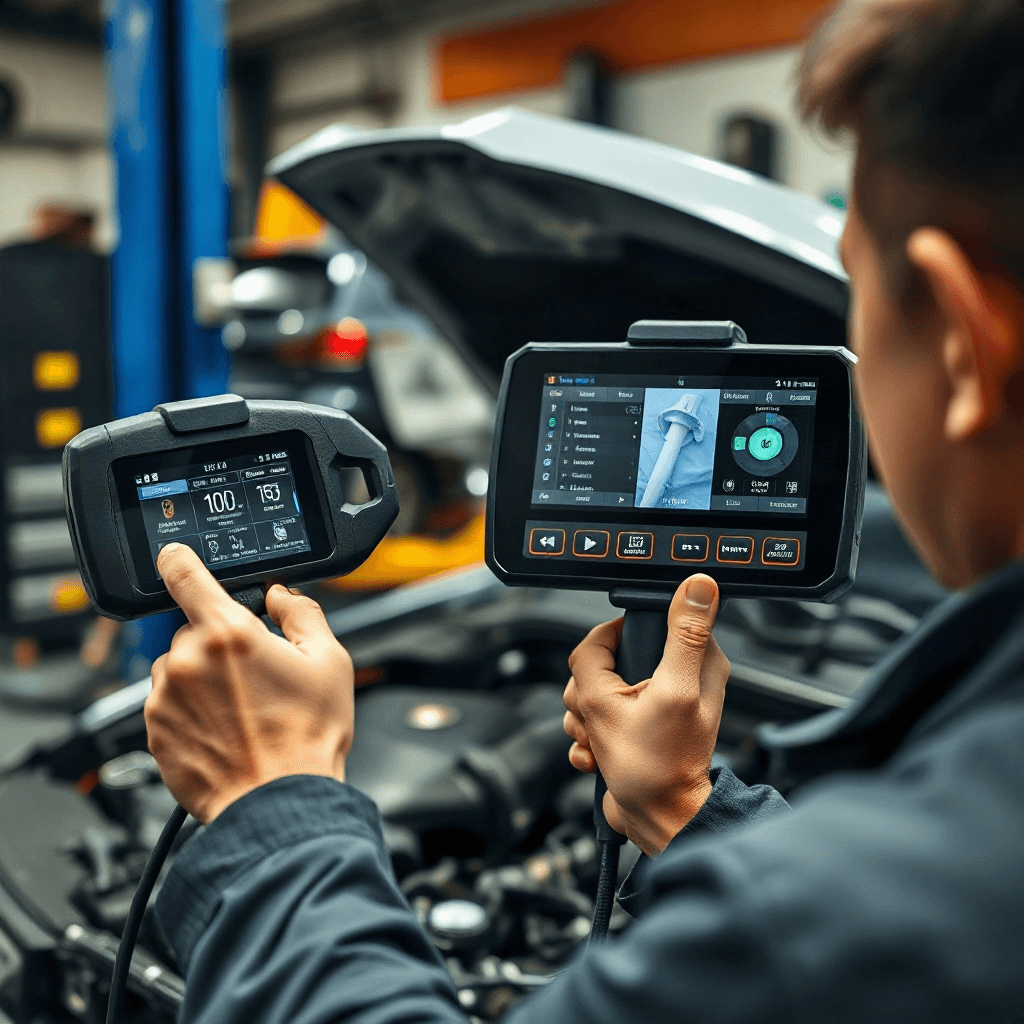
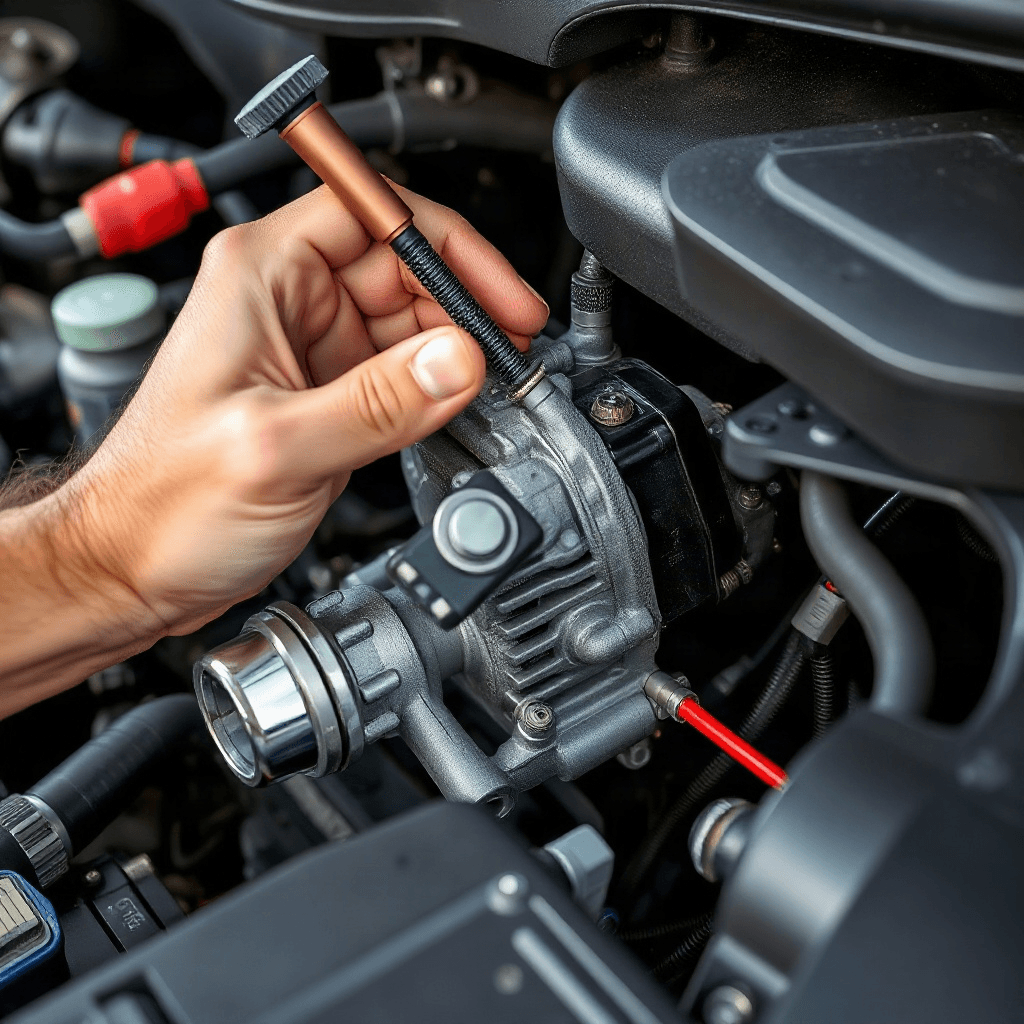
If the starter control circuit components seem intact, the issue may lie with the starter motor itself. You can perform a bench test to verify its operation. Remove the starter motor and use jumper cables to connect it directly to a power source. If the motor fails to spin, it is likely defective and requires replacement. However, if it operates correctly, the problem likely resides elsewhere in the circuit. Remember that handling the starter motor requires caution, as improper handling can lead to injury or further damage.
Consulting Professional Assistance
Sometimes, diagnosing a no-start issue caused by a failed starter control circuit can be complex and time-consuming. If you have exhausted your knowledge and resources or lack the necessary tools, seeking professional assistance is advisable. A qualified mechanic possesses the expertise and equipment to diagnose and repair intricate electrical issues. Moreover, they can provide a more accurate assessment and ensure that any repairs are conducted safely and correctly. Professional assistance can save you time and prevent further damage to your vehicle’s electrical system.