Mazda Engine Codes: Follow the Circuit Before Replacing the Component

Mazda vehicles, like many modern automobiles, are equipped with sophisticated onboard diagnostic systems that help identify issues within the engine and various components. The intricate nature of these systems often leads car owners and mechanics to rely on engine codes for troubleshooting. However, before rushing to replace a component based solely on these codes, it is crucial to understand the underlying issues more comprehensively. This review delves into why following the circuit and understanding the diagnostic process is vital before opting for replacement, ensuring more efficient and cost-effective repairs.
Understanding Mazdas Diagnostic System
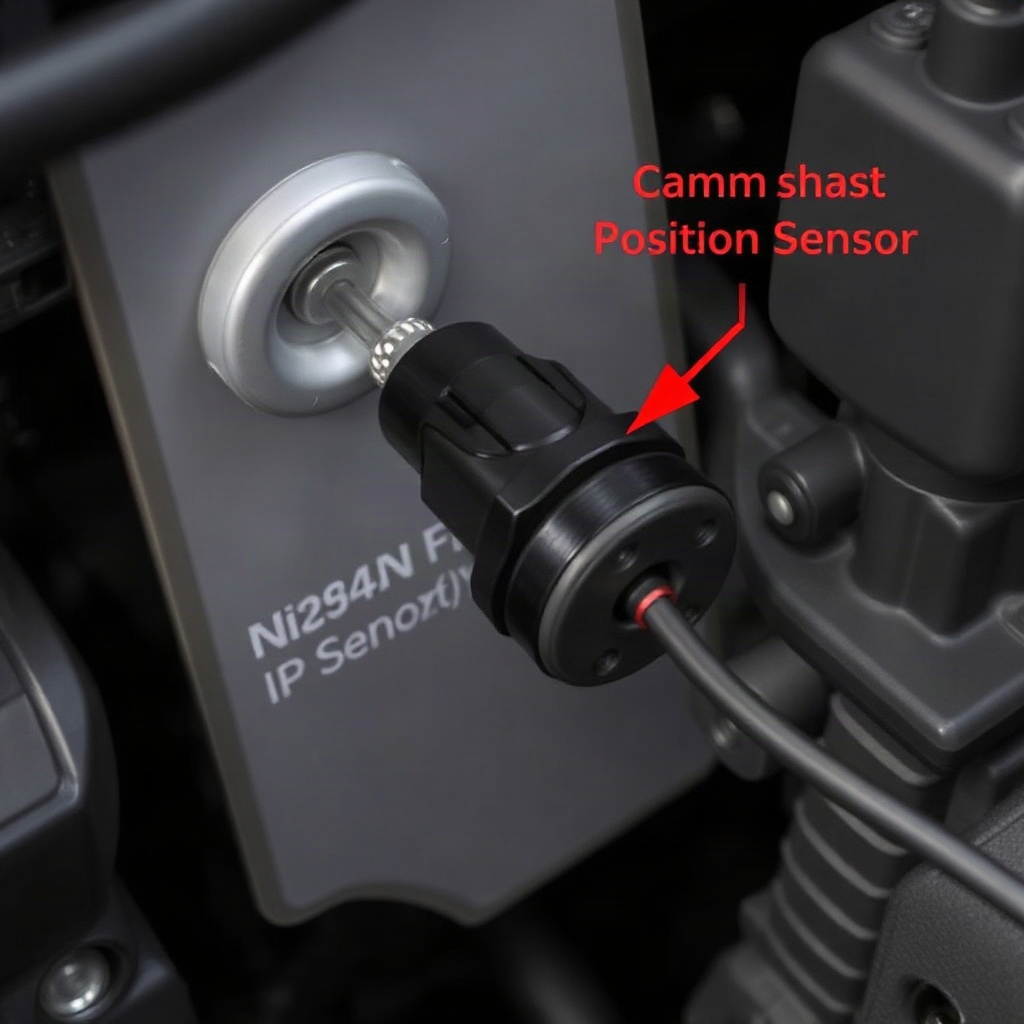
Mazda’s diagnostic system is both a blessing and a challenge for car owners and mechanics. It offers a window into the vehicle’s health, providing codes that indicate potential issues. However, these codes are only the starting point. They do not necessarily specify which component is faulty, but rather suggest where the problem might be occurring. For instance, a code related to the oxygen sensor could mean an issue with the sensor itself or a problem elsewhere in the fuel system affecting its performance. Thus, decoding these signals requires a deep understanding of the vehicle’s circuitry and the interrelation of its components.
The Importance of Circuit Analysis
Analyzing the circuit is a crucial step in diagnosing Mazda engine codes effectively. Simply replacing a component without understanding its connections and functions within the larger system can lead to unnecessary expenses and persistent issues. Circuit analysis involves tracing the electrical pathways and understanding how signals flow within the vehicle. By doing so, mechanics can identify the root cause of a problem, which might be due to a faulty wire, a poor connection, or even a software glitch. This systematic approach not only prevents misdiagnosis but also ensures a more accurate and lasting repair.
Common Misconceptions About Engine Codes
A common misconception among car owners is that engine codes point directly to the faulty component. However, these codes are not definitive diagnoses. They are akin to symptoms in a medical diagnosis, indicating that something is wrong but not precisely what or where. For example, a code suggesting a misfire may not necessarily mean a problem with the spark plug; it could be a sign of issues within the fuel delivery system or even the ignition coil. Understanding this complexity is vital for making informed decisions about repairs and replacements.
Tools and Techniques for Accurate Diagnostics
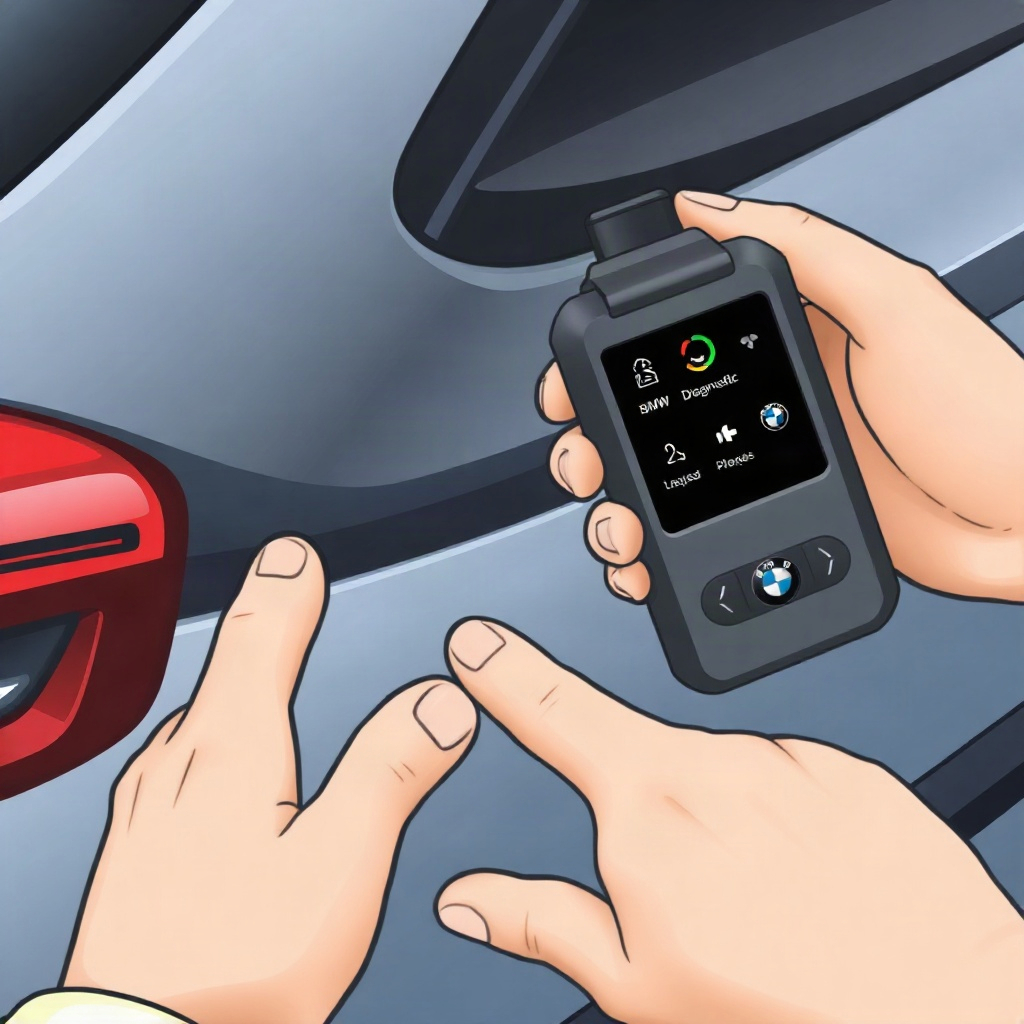
To accurately diagnose issues using Mazda engine codes, mechanics must utilize a range of tools and techniques. Advanced diagnostic tools that interface with the vehicle’s onboard computer can provide real-time data and more detailed insights into the car’s performance. Additionally, traditional methods like visual inspections and manual testing of components remain invaluable. Combining these approaches allows for a more thorough examination of potential issues, ensuring that repairs address the true source of the problem rather than just the symptoms.
The Role of Expertise and Experience
Expertise and experience play a pivotal role in interpreting Mazda engine codes accurately. Seasoned mechanics possess an intuitive understanding of how different vehicle systems interact, enabling them to make more informed judgments about potential issues. Their experience allows them to recognize patterns and common problems associated with specific codes, streamlining the diagnostic process. Furthermore, continuous learning and staying updated with the latest automotive technologies are essential for maintaining this expertise, particularly as vehicles become increasingly complex.
Cost-Effectiveness of Proper Diagnosis
Proper diagnosis based on Mazda engine codes is not only about ensuring effective repairs but also about cost-effectiveness. Misdiagnosing a problem can lead to unnecessary part replacements, escalating repair costs, and prolonged vehicle downtime. By investing time in accurate diagnostics, car owners can save money in the long term, avoiding the pitfalls of trial-and-error repairs. Moreover, understanding the diagnostic process empowers vehicle owners with the knowledge to make informed decisions, ensuring their vehicles remain reliable and efficient.
In conclusion, while Mazda engine codes are invaluable tools for identifying potential issues, they are not definitive answers. Mechanics and car owners must approach these codes as starting points in a broader diagnostic process that includes circuit analysis, expert evaluation, and comprehensive testing. By doing so, they can ensure that repairs are both effective and economical, extending the vehicle’s lifespan and enhancing its performance.