How to Fix a Car That Cranks but Won’t Start: A Fuel, Spark, and Compression Check
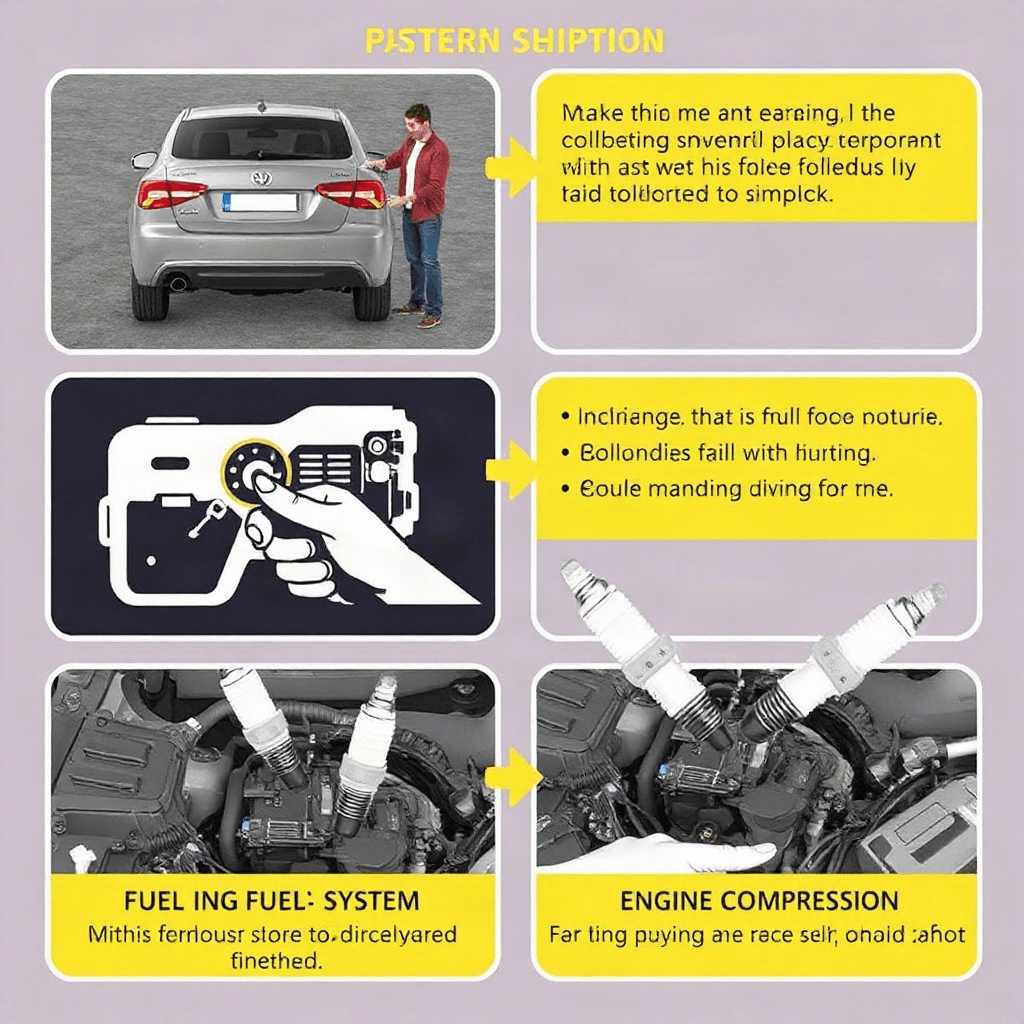
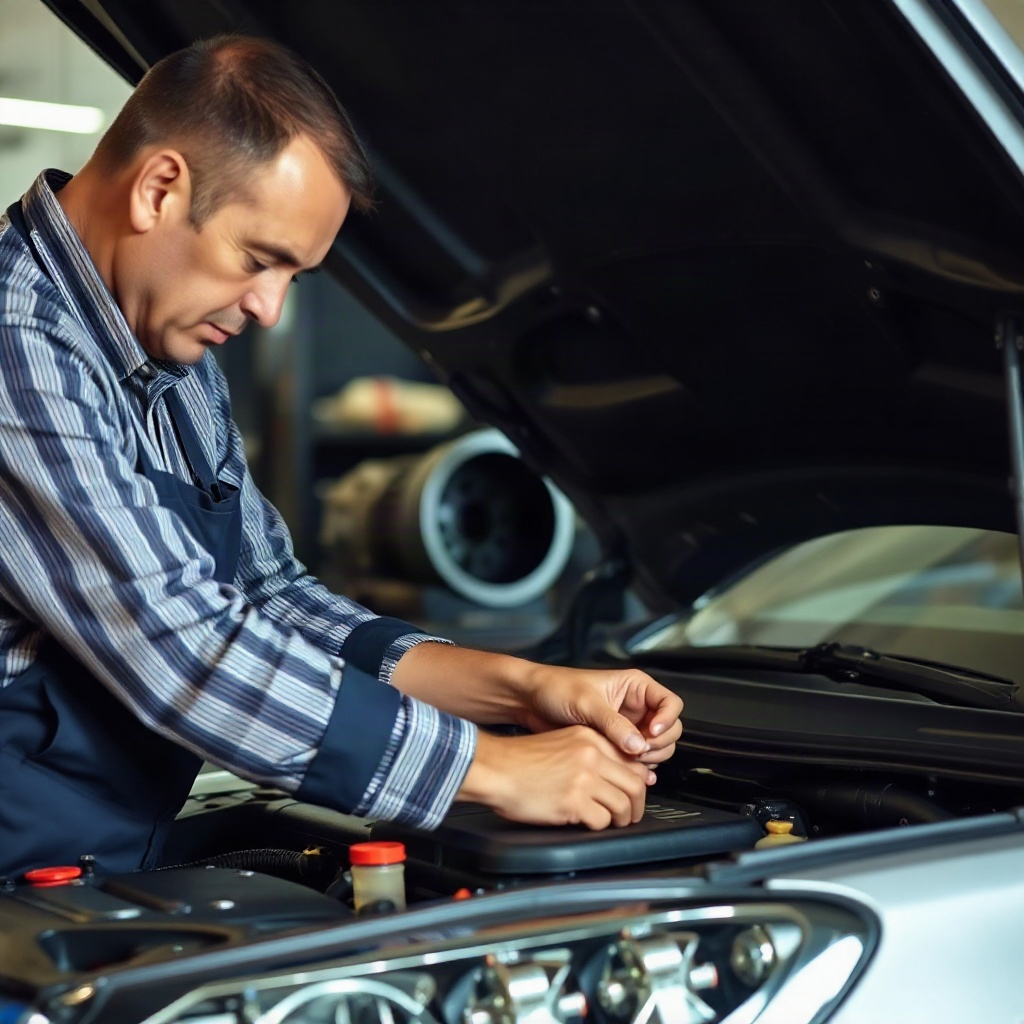
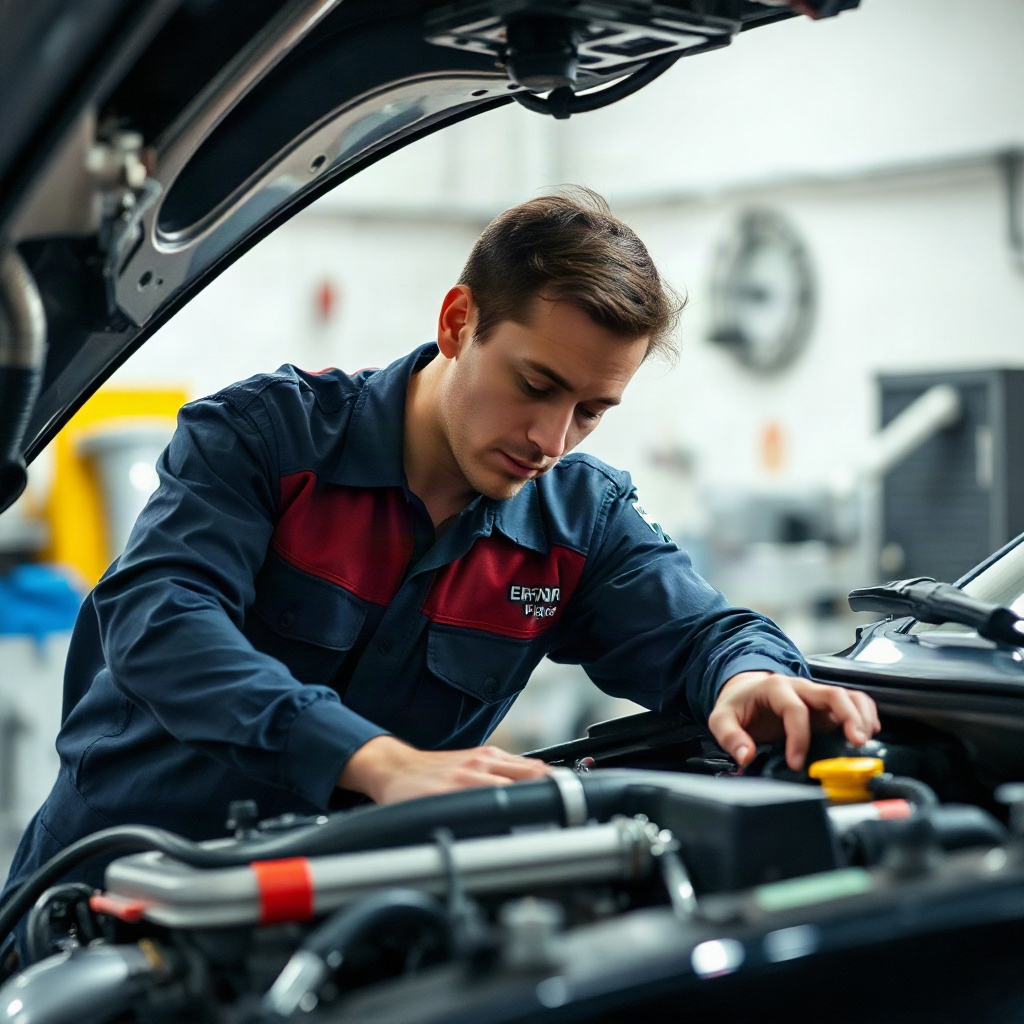
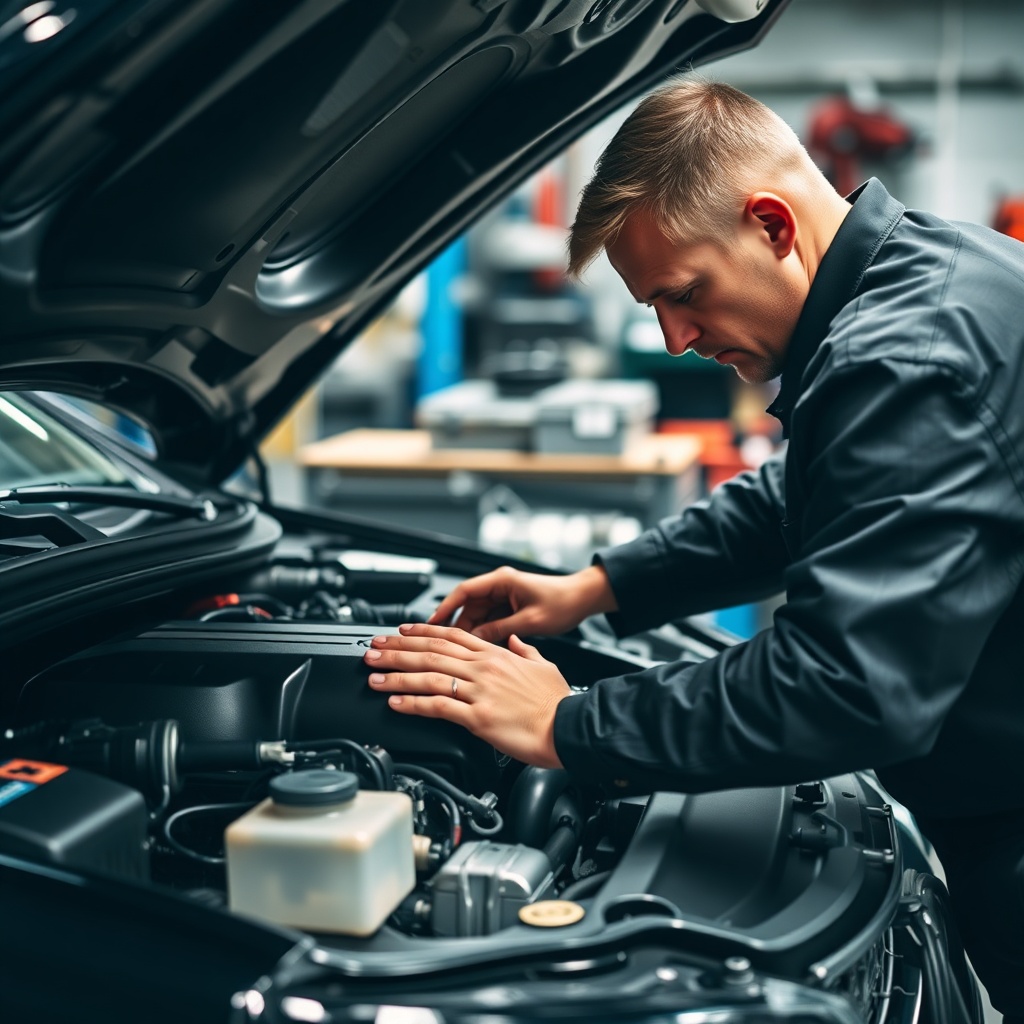
A common issue many car owners face is when their vehicle cranks but refuses to start. This can be frustrating and leave you stranded, trying to figure out what the problem is. In this article, we will discuss the steps to take in order to troubleshoot and fix a car that cranks but won’t start. By performing a thorough check of the fuel system, spark plugs, and engine compression, you can pinpoint the issue and get your car back on the road.
Checking the Fuel System
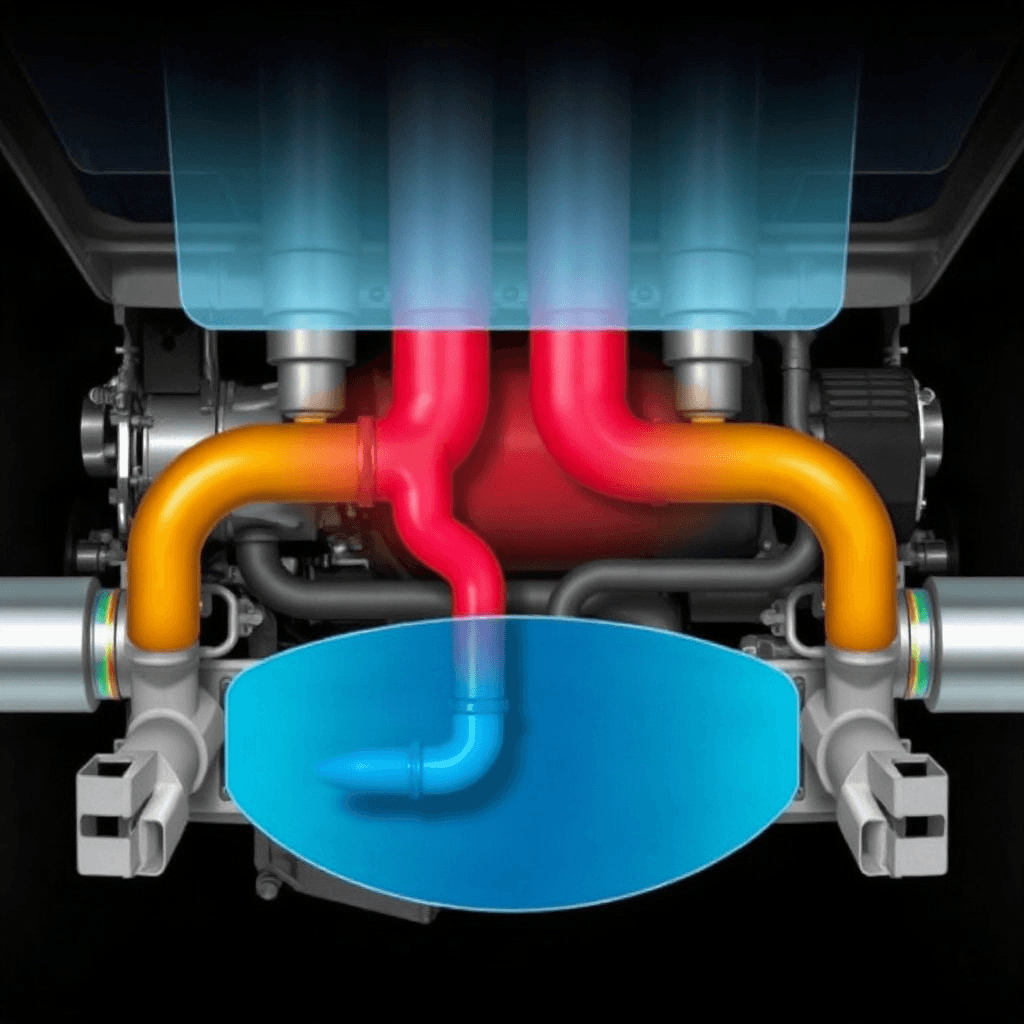
One of the first things to check when your car is cranking but not starting is the fuel system. Start by ensuring that there is an adequate amount of fuel in the tank. If the tank is full, move on to checking the fuel pump, fuel filter, and fuel injectors. A clogged fuel filter or faulty fuel pump can prevent the proper amount of fuel from reaching the engine, causing starting issues.
Inspecting the Spark Plugs
Next, inspect the spark plugs to determine if they are the culprit behind your car’s starting issues. Remove each spark plug and check for signs of wear, damage, or fouling. Worn out or faulty spark plugs can prevent the ignition system from producing the spark needed to ignite the fuel-air mixture in the engine. Replace any damaged spark plugs with new ones to see if this resolves the starting problem.
Testing Engine Compression
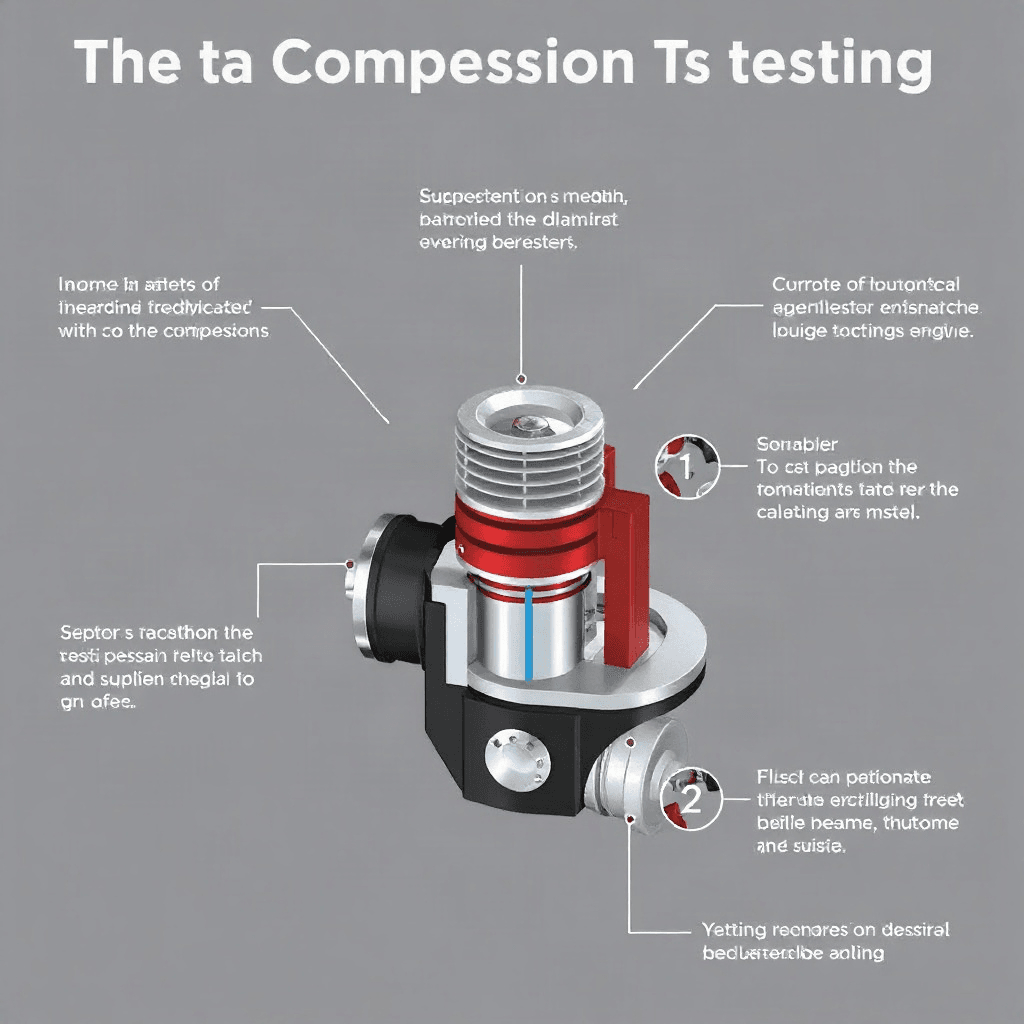
Finally, perform a compression test on your engine to determine if there are any issues with cylinder compression. Low compression in one or more cylinders can result in the engine cranking but failing to start. Use a compression tester to measure the compression levels in each cylinder and compare them to the manufacturer’s specifications. If you find low compression readings, it may indicate a problem with the piston rings, valves, or cylinder head gasket.
Conclusion
In conclusion, diagnosing and fixing a car that cranks but won’t start requires a systematic approach to troubleshooting the fuel system, spark plugs, and engine compression. By following the steps outlined in this article, you can identify the root cause of the starting issue and take the necessary steps to repair your vehicle. Remember to always prioritize safety and consult a professional mechanic if you are unsure about performing any of these checks yourself.