4WD Works in Low Range but Not High Range: Diagnostic Steps

Off-road enthusiasts often encounter issues with their four-wheel-drive (4WD) vehicles, especially when it comes to the different ranges available. One common problem that many face is when the 4WD works perfectly in low range but fails to engage in high range. In this blog post, we will explore the diagnostic steps to troubleshoot and resolve this issue effectively.
Understanding the Basics of 4WD Systems
To begin diagnosing the issue, it is essential to have a good understanding of how 4WD systems operate. High range and low range refer to the gear ratios used in 4WD vehicles, with low range providing more torque for challenging terrain. Knowing the difference between the two ranges will help in pinpointing the root cause of the problem.
Checking the Transfer Case
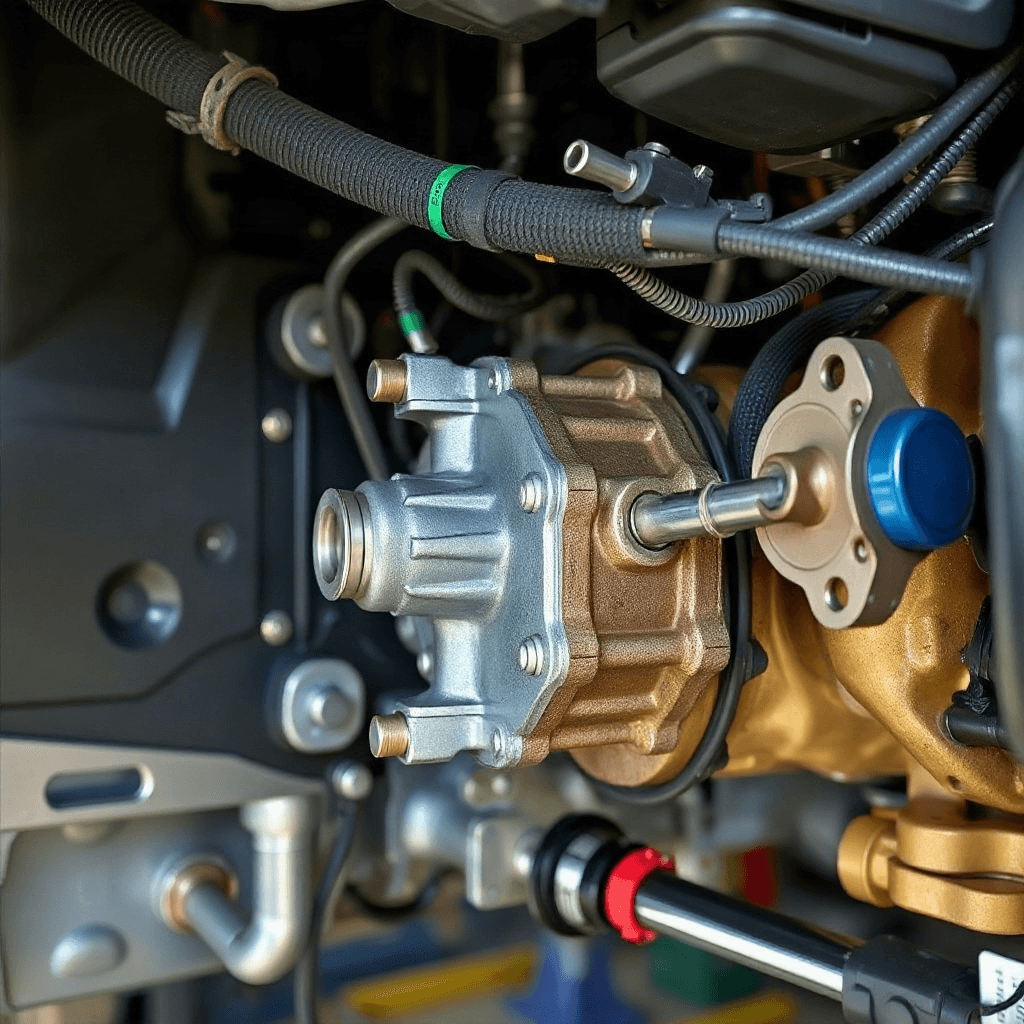
The transfer case is a crucial component of the 4WD system responsible for transferring power from the transmission to the front and rear axles. A malfunctioning transfer case can prevent the 4WD from engaging in high range. Inspect the transfer case for any leaks, damages, or worn-out components that may be causing the issue.
Inspecting the Drivetrain Components
Another common reason for the 4WD not working in high range could be related to the drivetrain components. Check the driveshafts, differential gears, and axle shafts for any signs of damage or wear. A faulty drivetrain component can hinder the smooth operation of the 4WD system in high range.
Testing the Actuators and Solenoids
Actuators and solenoids play a vital role in engaging and disengaging the 4WD system. If these components are faulty, it can lead to issues with shifting between high and low ranges. Test the actuators and solenoids for proper functionality and replace any defective parts as needed.
Verifying the Electrical Connections
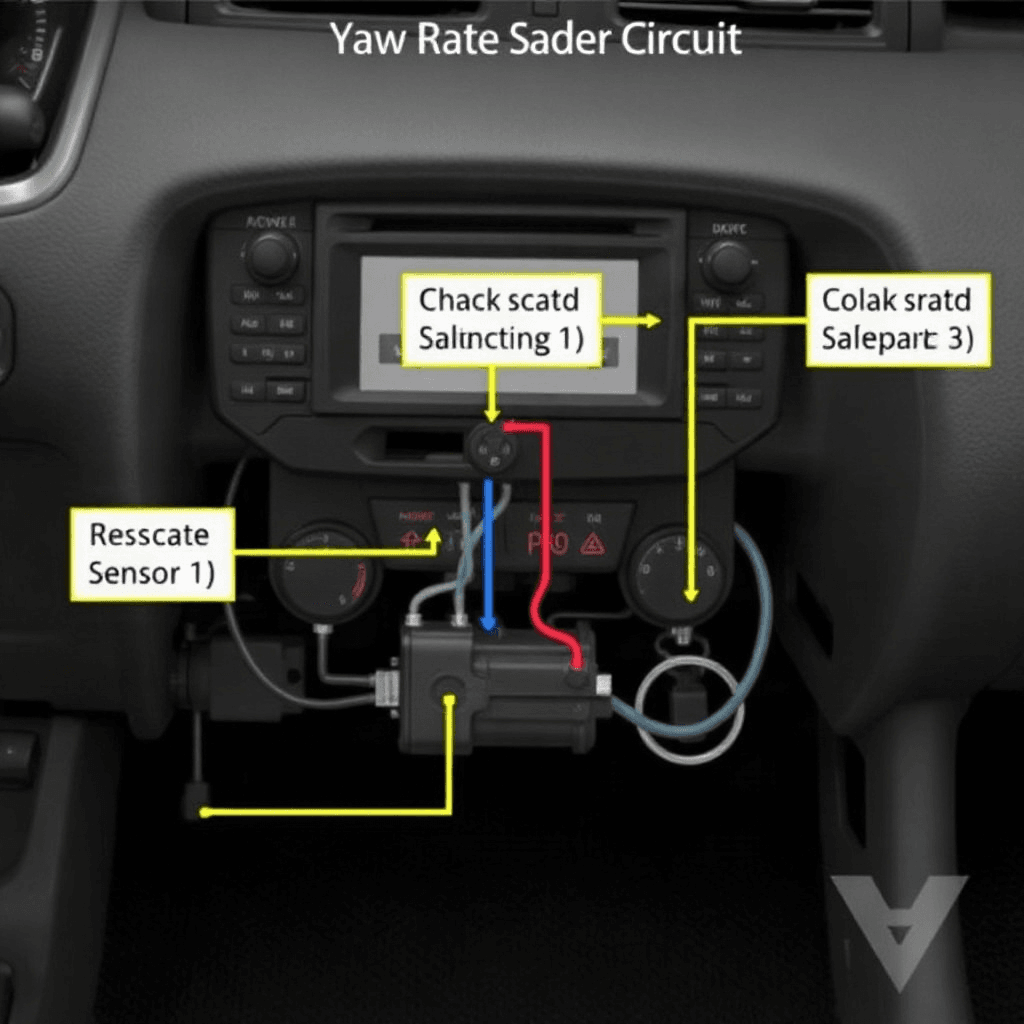
Electrical connections are often overlooked but can be a common culprit for 4WD issues. Check the wiring harness, connectors, and switches for any loose connections or corrosion. Ensure that the electrical components are properly connected and functioning to enable the 4WD system to engage in high range.
Consultation with a Professional Mechanic
If the above steps do not resolve the issue, it may be best to seek assistance from a professional mechanic. A skilled technician will have the expertise and tools to diagnose the problem accurately and recommend the appropriate solution. Avoid attempting complex repairs without the necessary knowledge and experience.
In conclusion, troubleshooting why the 4WD works in low range but not high range requires a systematic approach and thorough inspection of the various components. By following the diagnostic steps outlined in this blog post, you can identify and resolve the issue effectively, ensuring that your 4WD vehicle operates smoothly in all ranges.