No-Crank Condition: What to Check Before Replacing the Starter
As a car owner, one of the most frustrating situations you can encounter is when your vehicle refuses to start due to a no-crank condition. Before jumping to conclusions and replacing the starter, it’s important to go through a thorough inspection process to identify the root cause of the issue. In this article, we will discuss what to check before replacing the starter in a no-crank situation.
Battery Health and Connections
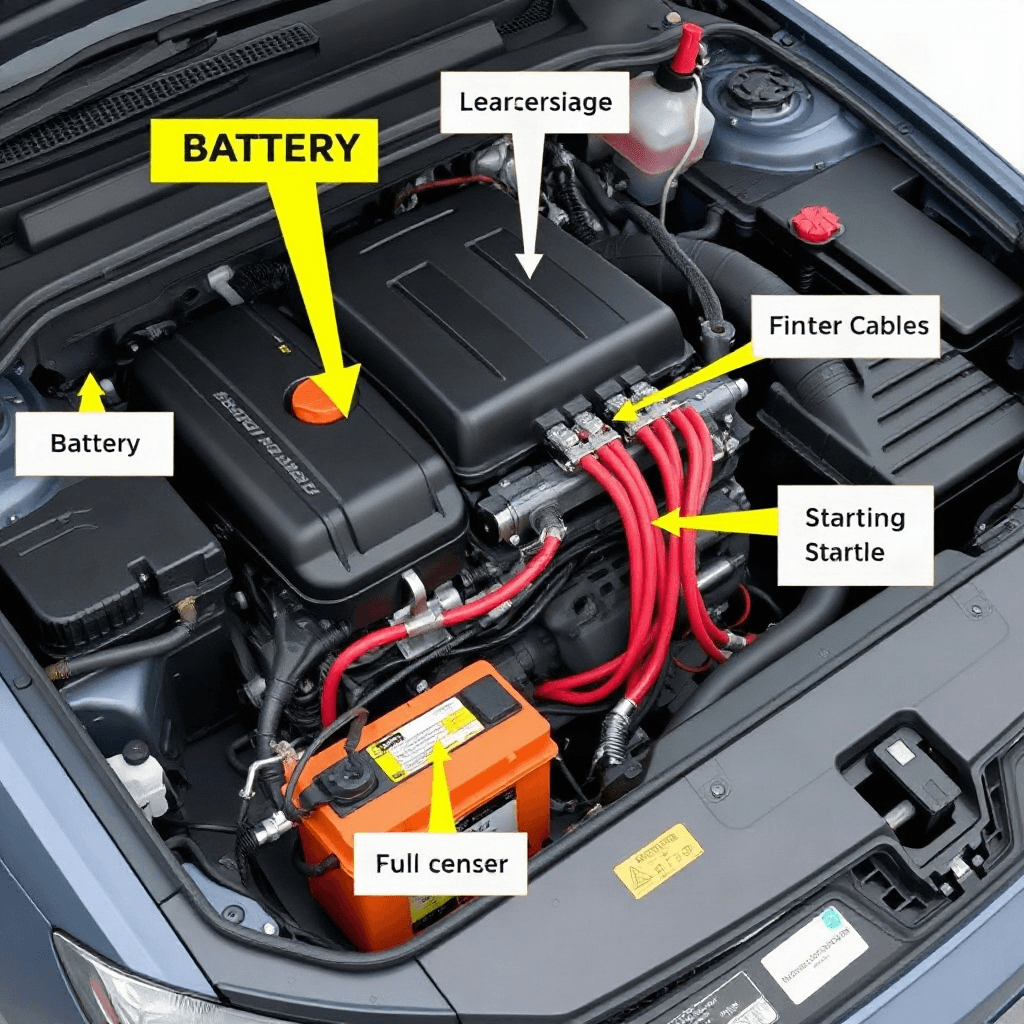
The first step in diagnosing a no-crank condition is to check the battery health and its connections. Ensure that the battery terminals are clean and tight, and there is no corrosion present. Use a multimeter to test the battery voltage, as a weak or dead battery can often mimic starter failure symptoms.
Ignition Switch Functionality
Next, it’s crucial to inspect the ignition switch functionality. A faulty ignition switch can prevent the starter from receiving the necessary signal to engage. Check for any signs of wear or damage on the ignition switch, and test it using a multimeter to ensure it is functioning correctly.
Starter Relay Examination
The starter relay plays a vital role in the starting process of a vehicle. A malfunctioning starter relay can prevent the starter motor from receiving the electrical current needed to crank the engine. Inspect the starter relay for any signs of damage or wear, and consider testing it with a multimeter to verify its functionality.
Wiring Harness Inspection
A faulty or damaged wiring harness can also be the culprit behind a no-crank condition. Inspect the wiring harness connected to the starter motor for any signs of wear, fraying, or damage. Ensure that all connections are secure and free of corrosion, as any disruption in the electrical flow can prevent the starter from engaging.
Engine Grounds Verification
Proper grounding is essential for the starter motor to function correctly. Check the engine grounds for any signs of corrosion or disconnection, as poor grounding can lead to a no-crank condition. Clean the grounds thoroughly and ensure a solid connection to the chassis to eliminate any potential issues.
PCM and Security System Check
In some cases, the powertrain control module (PCM) or the vehicle’s security system can prevent the starter from operating. Perform a diagnostic scan of the PCM to check for any fault codes related to the starting system. Additionally, ensure that the security system is not activated and causing a no-crank condition.
By following these steps and conducting a thorough inspection of the various components involved in the starting process, you can identify the underlying cause of a no-crank condition. By ruling out other potential issues before replacing the starter, you can save time and money in the long run. Remember, proper diagnosis is key to resolving automotive issues efficiently.