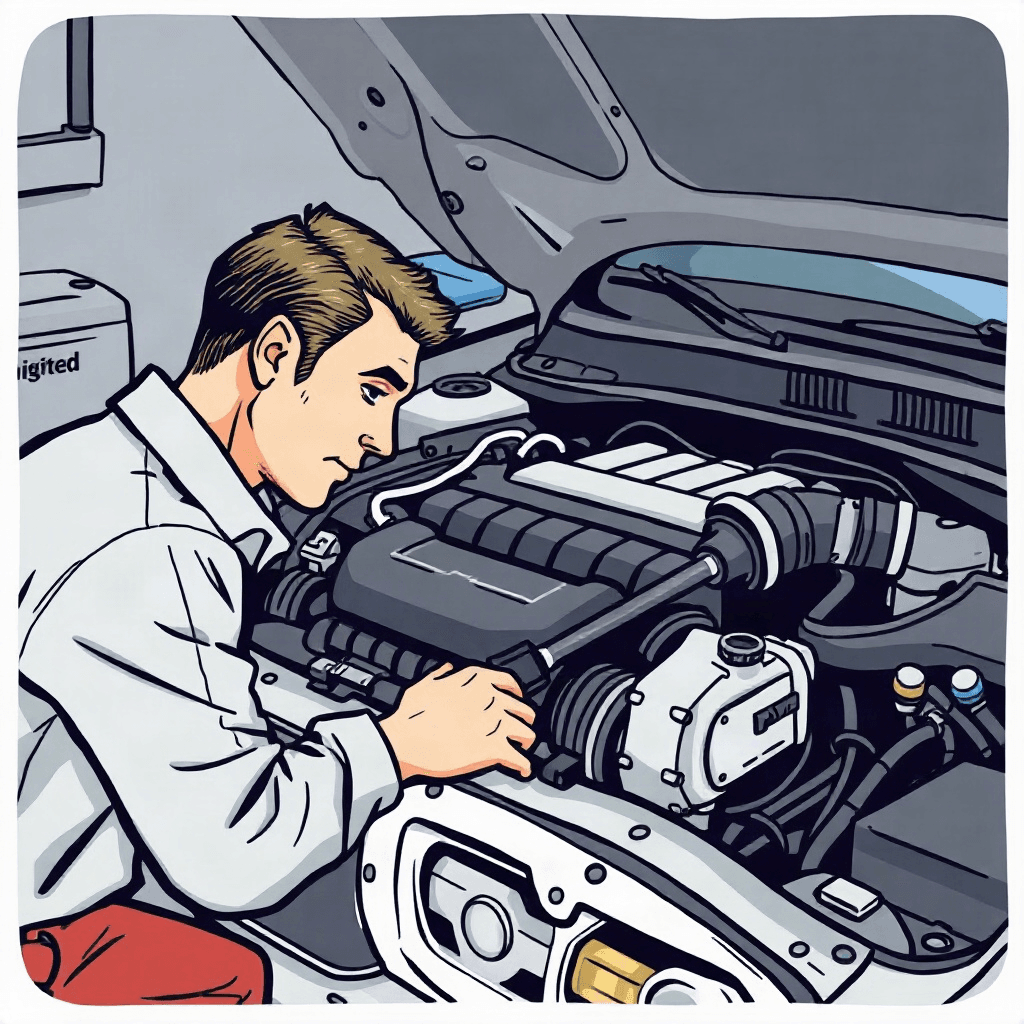
How to Diagnose an Engine Mount That Causes Vibration at Idle

When your car starts to vibrate while idling, it can be more than just an annoyance; it could be a sign of a problem with your engine mount. Diagnosing this issue may seem daunting, but with some guidance, you can approach it like a professional. In this article, we’ll explore how to identify if an engine mount is causing these vibrations. We’ll discuss what an engine mount does, how it can fail, and how you can pinpoint the problem using simple techniques. In addition, we’ll cover the symptoms of a failing mount, tools you might need, and tips for a thorough inspection. By the end, you’ll have a clearer understanding of what actions to take next.
Understanding the Role of an Engine Mount
Engine mounts are crucial components that hold your car’s engine in place, absorbing vibrations and shocks while keeping the engine aligned with the drivetrain. When these mounts function properly, they ensure a smooth and stable ride. However, when they fail, you’ll notice unusual vibrations, especially when the car is idling. The engine mount is essentially a buffer between the engine and the car’s frame, made of metal and rubber. Over time, the rubber can deteriorate due to heat, oil contamination, or general wear and tear, leading to a direct transmission of engine vibrations to the car’s body. Understanding this role is the first step in diagnosing any issues.
Recognizing Symptoms of a Faulty Engine Mount
A failing engine mount can manifest in several ways, with vibration at idle being a primary symptom. You might notice that the vibrations intensify when the car is in gear or when accelerating from a stop. Additionally, listen for unusual noises like clunking or banging when changing gears or driving over bumps; these can indicate excessive engine movement due to a compromised mount. If you observe a misalignment of the engine or see visible damage to the mount, such as cracked rubber or broken metal brackets, it’s a clear sign that the mount needs attention. These symptoms are your clues, guiding you to the heart of the problem.
Tools and Techniques for Diagnosis
Diagnosing a faulty engine mount doesn’t require a professional’s toolkit, but having a few basic tools will make the job easier. A flashlight, a jack with jack stands, and a pry bar can be quite useful. Start by visually inspecting the mounts for any visible signs of damage. Use the flashlight to check for cracks or oil leaks on the rubber components. Next, carefully use the pry bar to gently apply pressure to the engine; excessive movement can indicate a worn mount. Additionally, rev the engine slightly while the car is in park to observe any abnormal movement or noises. These techniques will help confirm your suspicions.
Conducting a Thorough Inspection
A comprehensive inspection involves not only looking at the mounts but also understanding the context of their failure. Check for oil leaks around the engine bay, as oil can degrade the rubber mount over time. Listen for any hissing or popping sounds that could indicate vacuum leaks, which might exacerbate the vibration issue. Examine the transmission mount as well, since its failure can mimic the symptoms of a faulty engine mount. Don’t forget to inspect the surrounding components; sometimes, the vibration can be due to a combination of issues. A holistic inspection will ensure that you identify all contributing factors to the vibration problem.
Evaluating Your Findings
Once you’ve completed the inspection, it’s time to evaluate your findings. If you’ve identified a damaged engine mount, consider the extent of the damage and whether it requires immediate replacement. Assess whether the mount’s failure has affected other components, as this might need addressing too. Decide if you have the tools and skills to replace the mount yourself or if professional assistance is required. Remember, driving with a faulty engine mount can lead to further issues, including damage to the engine and transmission. Evaluating your findings is crucial in determining the next steps for repair.
Taking Action and Seeking Professional Help
If you’ve confirmed that the engine mount is the culprit behind the vibrations, timely action is essential. Replacing an engine mount can be a DIY task if you have the necessary tools and mechanical knowledge. However, if the diagnosis process revealed additional problems or if you’re unsure about tackling the repair, seeking professional assistance is wise. A mechanic can ensure that the mount is replaced correctly, preventing future issues. Furthermore, they can check for any other underlying problems that might have been missed. Taking the right action now will prevent costly repairs and ensure your car runs smoothly.