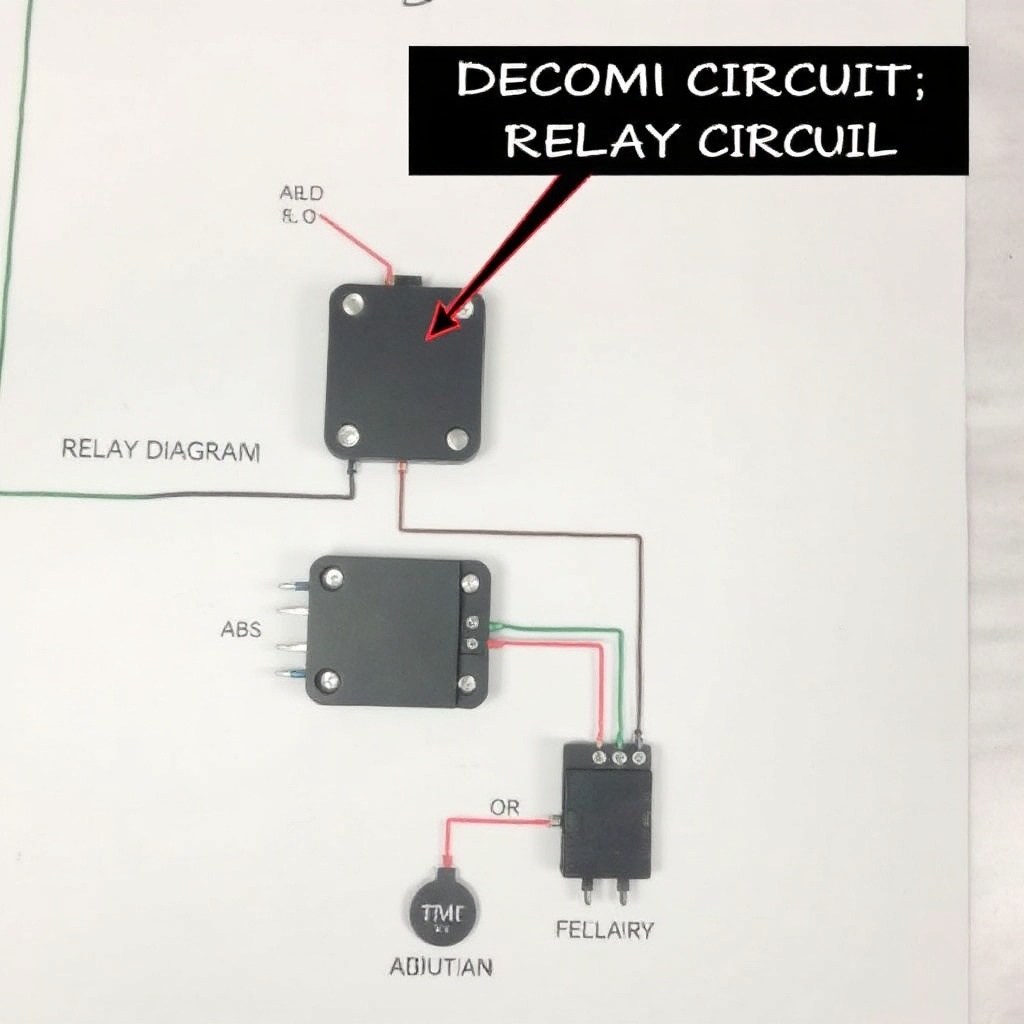
ABS Activates at Low Speed: Wheel-Speed Signal and Tone-Ring Checks
In the realm of automotive safety systems, Anti-lock Braking Systems (ABS) play a crucial role in maintaining control during braking. However, when ABS activates at low speeds, it can be perplexing and potentially alarming for drivers. This phenomenon often stems from issues related to wheel-speed signals and tone-ring checks. In this article, we delve into the intricacies of ABS activation at low speeds, examining the potential causes and solutions to ensure optimal vehicle performance and safety.
Understanding ABS Functionality
ABS is designed to prevent wheel lock-up during braking, allowing drivers to maintain steering control. This system uses wheel-speed sensors to monitor each wheel’s rotation speed, transmitting data to the ABS control module. When a wheel is about to lock up, the module modulates brake pressure to prevent skidding. At its core, ABS is a sophisticated integration of mechanical and electronic components, working in harmony to enhance vehicle safety. However, when ABS engages at low speeds, it can indicate underlying issues that warrant investigation. Understanding the functionality of ABS is crucial to diagnosing and resolving such anomalies.
The Role of Wheel-Speed Sensors
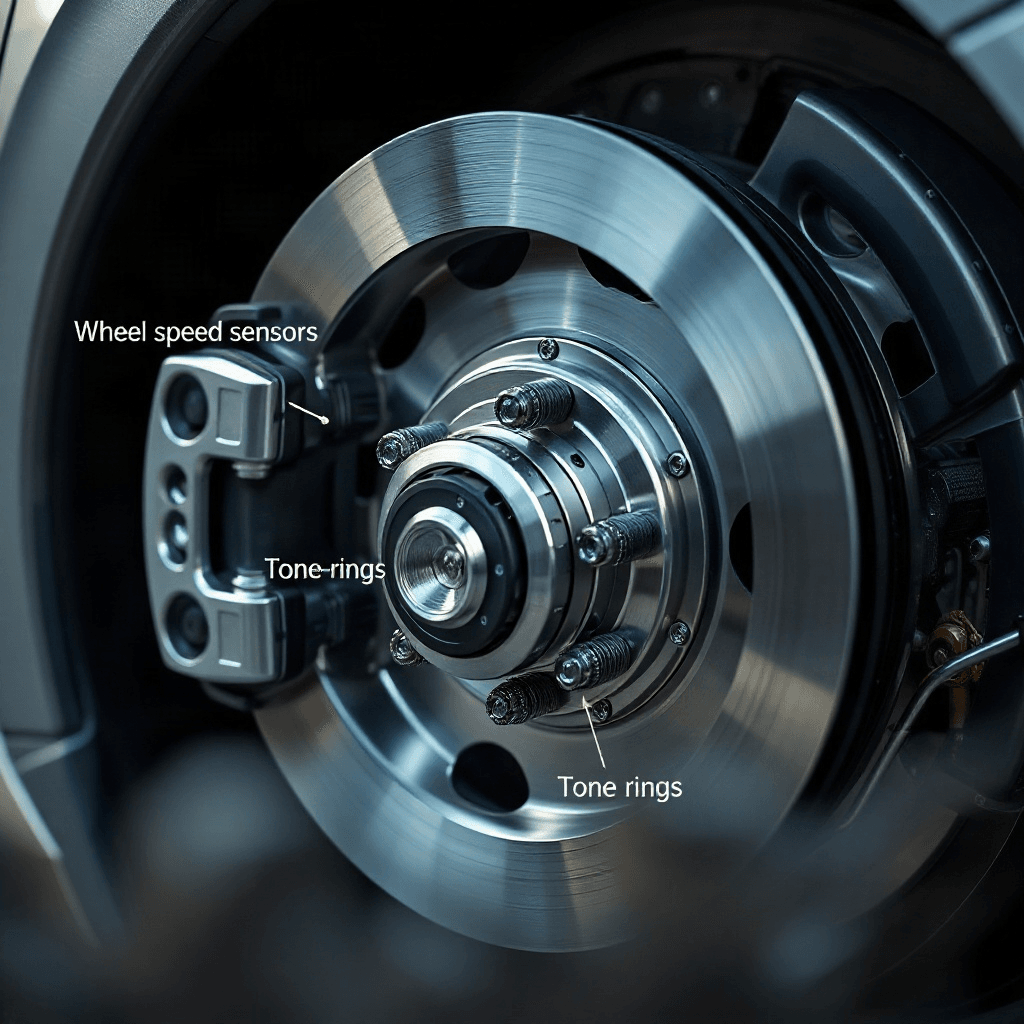
Wheel-speed sensors are pivotal in the ABS framework, providing real-time data about wheel rotation. These sensors, often magnetic, generate signals based on wheel speed, which are then interpreted by the ABS control module. If a sensor malfunctions or provides erratic data, the system may erroneously interpret the situation as impending wheel lock-up, triggering ABS activation. Common issues include sensor misalignment, debris interference, or electrical faults. As such, maintaining sensor integrity is vital for ABS reliability, particularly at lower speeds where precision in data interpretation is essential.
Insights into Tone-Ring Functionality
The tone-ring, typically mounted on the wheel hub, works in conjunction with wheel-speed sensors. It consists of evenly spaced teeth that pass by the sensor, generating a magnetic field fluctuation interpreted as wheel speed. If the tone-ring is damaged, dirty, or misaligned, it can produce inaccurate signals, leading to false ABS activation. Regular inspection and maintenance of the tone-ring are therefore essential to prevent such issues. Ensuring the tone-ring’s good condition is a simple yet effective measure to enhance ABS performance and reliability.
Diagnosing Low-Speed ABS Activation
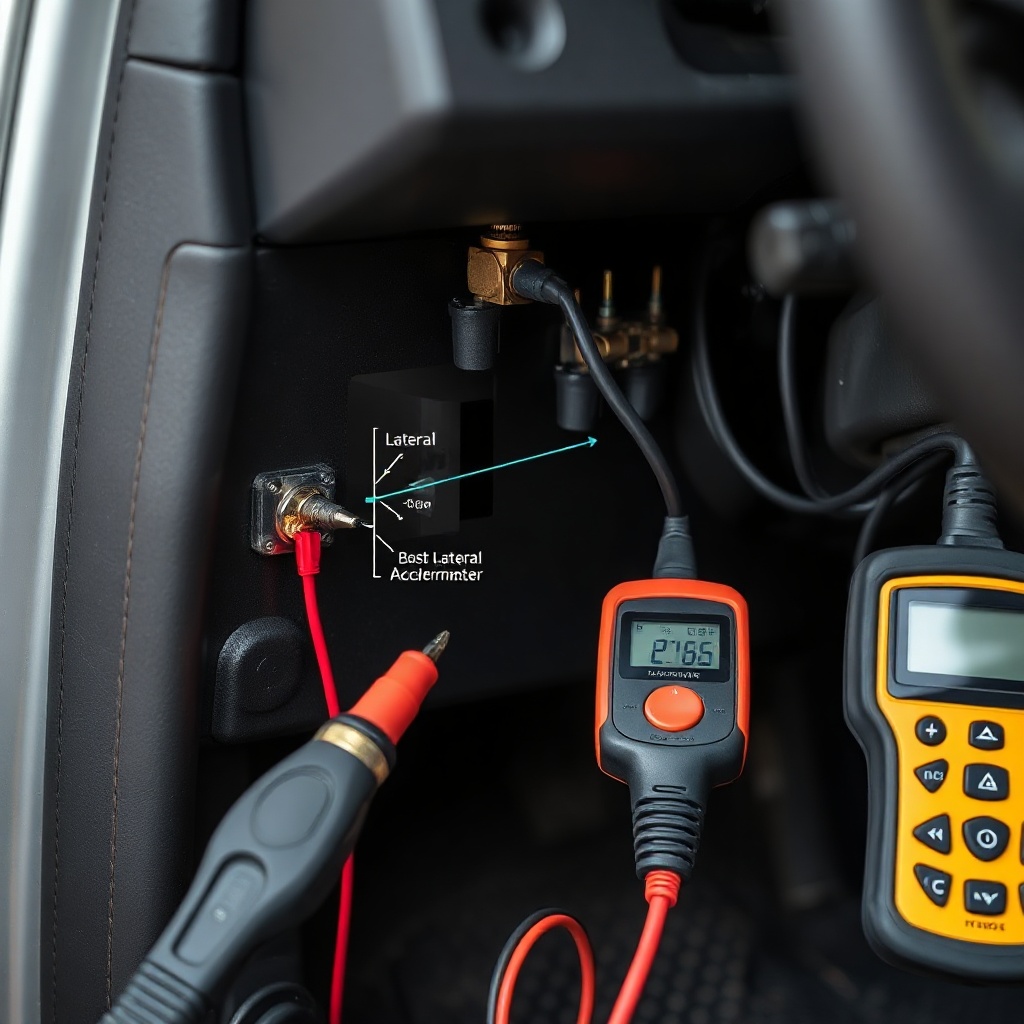
When faced with low-speed ABS activation, a systematic diagnostic approach is crucial. This involves checking for diagnostic trouble codes (DTCs) using a scan tool, which can provide insights into sensor or tone-ring issues. Visual inspections of the sensors and tone-ring can also reveal physical damage or misalignment. Additionally, measuring the electrical resistance of sensors can help identify internal faults. By thoroughly investigating these components, we can accurately pinpoint the cause of the problem and implement the necessary corrective actions.
Solutions for Preventing False Activation
Preventing false ABS activation requires proactive maintenance and timely interventions. Regularly cleaning wheel-speed sensors and tone-rings, ensuring proper alignment, and inspecting for damage are foundational steps. Additionally, updating ABS software can rectify glitches and improve system responsiveness. When replacement is necessary, opting for high-quality OEM parts ensures compatibility and durability. By adopting these measures, we can minimize the risk of false ABS activation and enhance overall vehicle safety.
The Impact of Modern Technologies
Advancements in automotive technology continue to refine ABS systems, making them more robust and reliable. Modern vehicles often feature advanced diagnostics and sensor technologies that provide enhanced precision in speed detection. These innovations reduce the likelihood of false activation and improve system response. As we embrace these technologies, understanding their operation and maintenance becomes increasingly important. Staying informed about the latest developments in ABS technology ensures that drivers can benefit from improved safety and performance.
In conclusion, ABS activation at low speeds is a nuanced issue that demands careful analysis and intervention. By focusing on wheel-speed sensors, tone-ring functionality, and adopting preventive measures, we can effectively address the root causes of this problem. As automotive technology evolves, staying abreast of advancements and maintaining system integrity remains key to ensuring the safety and reliability of ABS systems. For more insights into vehicle safety systems, explore our comprehensive [automotive technology guide].