Engine Misfires Only at Cold Start: A Step-by-Step Diagnostic Approach

Engine misfires at cold start can be a perplexing issue for many vehicle owners, often leading to decreased performance and potential engine damage if left unaddressed. Understanding the underlying causes and knowing how to systematically diagnose these misfires is essential for maintaining the health of a vehicle. They should begin by identifying the symptoms associated with these misfires, such as rough idling, hesitation during acceleration, and unusual exhaust emissions. By implementing a step-by-step diagnostic approach, they can effectively pinpoint the root cause and take the necessary corrective measures. This guide provides a comprehensive overview of the process, ensuring that they are well-equipped to handle engine misfires that occur specifically during cold starts.
Understanding the Basics of Engine Misfires
Engine misfires occur when one or more cylinders in the engine fail to ignite the air-fuel mixture at the proper time. This can lead to a variety of symptoms, including reduced power, increased emissions, and even damage to the catalytic converter if left unresolved. It is important to recognize that misfires can be caused by a variety of factors, including issues with the ignition system, fuel delivery problems, or mechanical failures within the engine itself. By understanding the basic principle of how an engine operates, they can better appreciate the complexity of diagnosing misfires, especially those that occur only during cold starts, when the engine is not yet operating at its optimal temperature.
Identifying Symptoms Specific to Cold Start Misfires
Cold start misfires can present unique challenges, as they may not exhibit the same symptoms as misfires that occur when the engine is warm. They should pay close attention to signs such as a rough idle immediately after starting the vehicle, a noticeable drop in engine performance, and increased fuel consumption. Additionally, they might observe black smoke from the exhaust, indicating incomplete combustion. These symptoms can provide valuable clues in diagnosing the issue, helping to narrow down potential causes and focus on specific components that may be malfunctioning during the cold start phase.
Inspecting the Ignition System
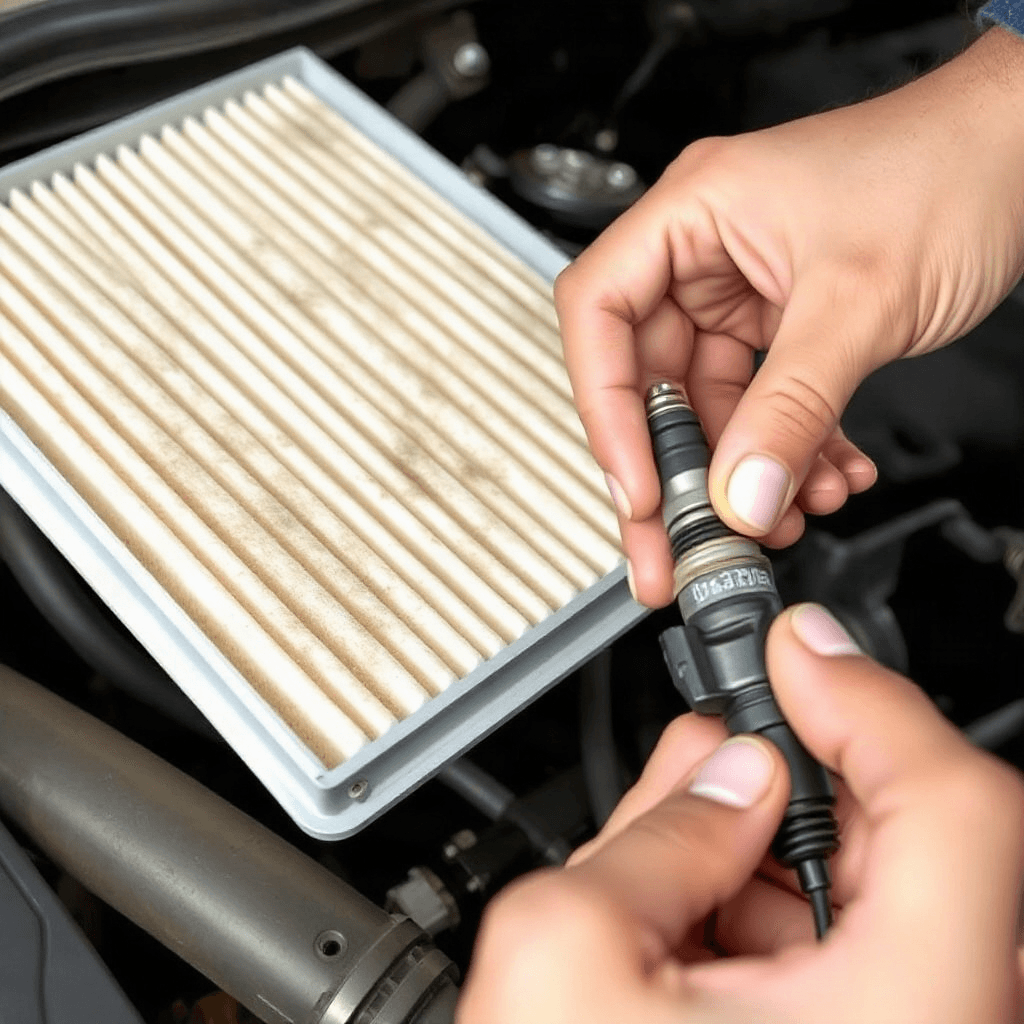
One of the primary areas to examine when diagnosing cold start misfires is the ignition system. They should begin by checking the condition of the spark plugs, ensuring they are not worn or fouled, which can prevent proper ignition of the air-fuel mixture. It’s also crucial to inspect the ignition coils, as a faulty coil can lead to weak or inconsistent sparks. They might also consider testing the ignition timing, as incorrect timing can cause misfires during startup. By thoroughly inspecting these components, they can determine if the ignition system is the root cause of the misfires and make the necessary repairs or replacements.
Evaluating the Fuel Delivery System
Another critical aspect to consider is the fuel delivery system, which plays a vital role in ensuring the engine receives the correct amount of fuel for combustion. They should check the fuel injectors for clogs or leaks, as any obstruction can lead to an improper air-fuel ratio, resulting in misfires. Additionally, inspecting the fuel pump and fuel pressure regulator is essential to confirm that the engine is receiving adequate fuel pressure. If any issues are detected within the fuel delivery system, they must address them promptly to prevent further misfires and potential engine damage.
Assessing Engine Mechanical Components
Mechanical issues within the engine itself can also contribute to cold start misfires. They should conduct a compression test to check for any discrepancies between the cylinders, as low compression can lead to misfires. It’s also essential to inspect the timing belt or chain for wear or misalignment, as these components ensure the engine’s valves and pistons operate in sync. If any mechanical faults are identified, they must take corrective action, such as replacing worn parts or adjusting the timing, to restore the engine’s performance and prevent future misfires.
Implementing Preventive Measures and Regular Maintenance
Once the root cause of the cold start misfires has been identified and resolved, they should focus on implementing preventive measures to avoid recurrence. Regular maintenance is crucial, including routine checks of the ignition and fuel systems, as well as timely replacement of components like spark plugs and filters. They should also ensure that the engine is running on high-quality fuel and oil, as these can significantly impact performance and reliability. By adhering to a strict maintenance schedule and addressing minor issues before they escalate, they can ensure the longevity and efficiency of their vehicle’s engine.