Diagnosing Intermittent ABS Sensor Wiring at the Wheel Knuckle

Diagnosing intermittent ABS sensor wiring at the wheel knuckle can be a perplexing task, especially when the symptoms are sporadic and challenging to replicate. As automotive technology becomes more sophisticated, so do the intricacies involved in diagnosing and solving these issues. This article will journey through the complexities of ABS sensor wiring problems, offering insights and advice to those seeking to comprehend and address these challenges. Whether you’re a seasoned mechanic or a curious car owner, understanding these nuances is crucial for maintaining optimal vehicle safety and performance. By delving into the intricacies of ABS sensors, you’ll gain a clearer picture of how to approach and resolve these common automotive issues.
Understanding the Role of ABS Sensors
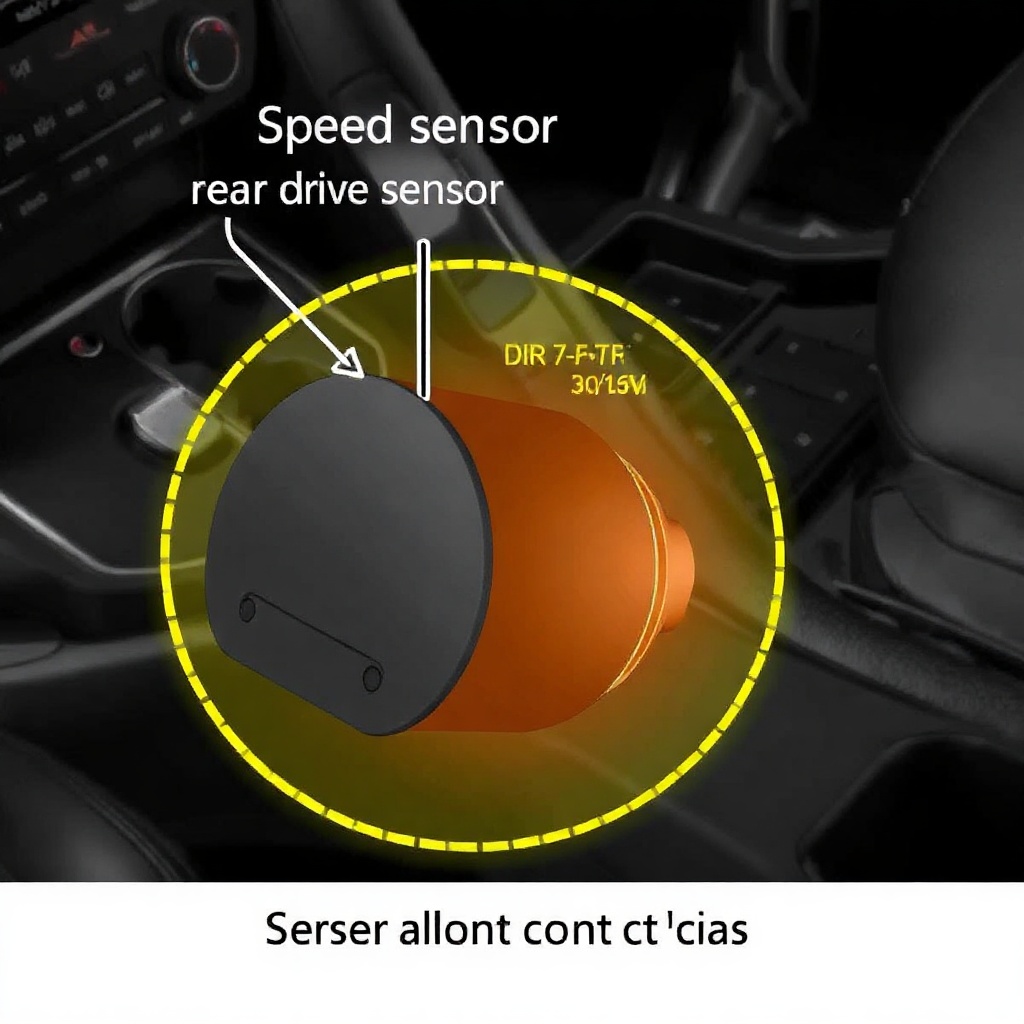
The Anti-lock Braking System (ABS) is a pivotal safety feature in modern vehicles, designed to prevent wheel lock-up during braking. The ABS sensor plays a critical role by monitoring wheel speed and communicating with the ABS control module. If the sensor detects abnormal wheel behavior, it signals the system to adjust brake pressure accordingly. This dynamic ensures that you maintain steering control during emergency braking situations. However, the efficiency of this system heavily relies on the sensor’s accuracy and the integrity of its wiring. When wiring issues arise, it can lead to erroneous signals, potentially compromising vehicle safety and performance. Therefore, understanding the function and importance of ABS sensors is the first step in diagnosing and resolving any related issues.
Identifying the Symptoms of Wiring Problems
Intermittent wiring issues can manifest in various ways, often making diagnosis a daunting task. One of the most common symptoms is the activation of the ABS warning light on your dashboard. This light may illuminate sporadically, indicating an inconsistency in the sensor’s readings. Additionally, you might experience unusual braking behavior, such as unexpected pedal feedback or a lack of response when applying brakes. These symptoms can be misleading, as they may not always occur under the same conditions. Hence, documenting when and how these symptoms appear can be crucial in pinpointing the root cause. By recognizing these signs early, you increase the likelihood of resolving the issue before it escalates into a more severe problem.
Tracing the Wiring Path
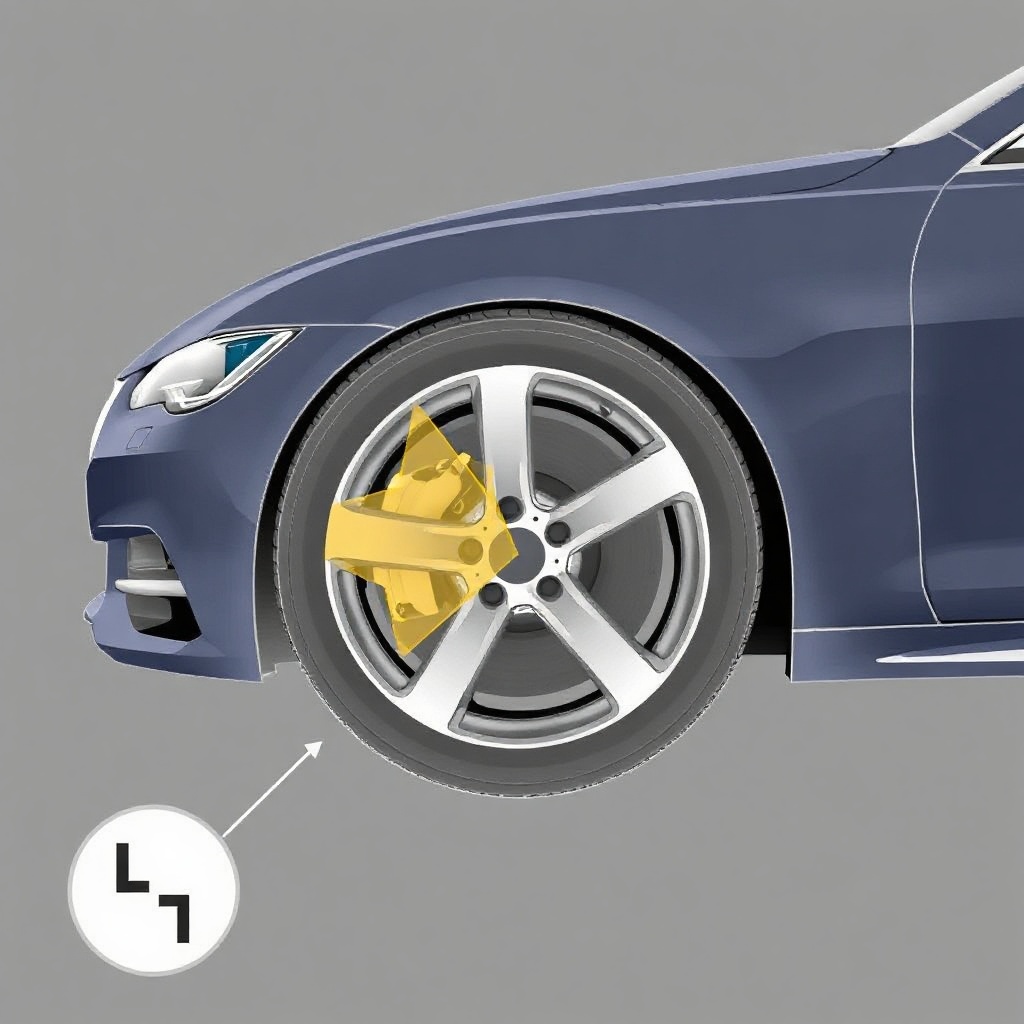
The wiring path of the ABS sensor is often a concealed and intricate network, especially around the wheel knuckle. To diagnose wiring issues, a thorough inspection of the sensor’s wiring harness is essential. Start by visually examining the wires for any obvious signs of damage, such as fraying, corrosion, or disconnection. Pay particular attention to areas where the wiring is exposed to environmental elements, as these spots are more susceptible to wear and tear. Utilizing diagnostic tools, such as multimeters or oscilloscopes, can aid in detecting less visible issues, such as voltage drops or erratic current flow. A systematic approach to inspecting the wiring path is pivotal in diagnosing the root cause of intermittent ABS sensor problems.
Utilizing Advanced Diagnostic Tools
In the realm of automotive diagnostics, advanced tools are invaluable in identifying subtle wiring issues. Tools like multimeters and scan tools can provide real-time data and insights into the functioning of the ABS sensor and its wiring. A multimeter can be used to measure resistance, voltage, and continuity within the wiring circuit, helping to identify breaks or shorts in the system. Scan tools, on the other hand, can read and interpret error codes stored in the vehicle’s computer system, offering clues about the nature and location of the problem. By leveraging these advanced diagnostic tools, you gain a more comprehensive understanding of the issue, enabling more accurate and efficient repairs.
Implementing Effective Repair Solutions
Once the diagnosis is complete, implementing the appropriate repair solutions is critical to restoring the ABS system’s functionality. Depending on the nature of the wiring issue, repairs can range from simple fixes, such as re-securing loose connections, to more complex tasks, like replacing damaged sections of the wiring harness. In some cases, the sensor itself may need to be replaced if it has sustained damage. It’s important to ensure that all repairs are conducted with precision and care, as even minor oversights can lead to recurring issues. By addressing the problem thoroughly, you can ensure the longevity and reliability of the ABS system, enhancing vehicle safety.
Preventive Measures and Maintenance Tips
Preventive maintenance plays a vital role in avoiding future wiring issues with ABS sensors. Regularly inspecting the wiring and sensor components for signs of wear and damage can help catch potential problems before they become severe. Additionally, keeping the wheel knuckle area clean and free of debris can prevent environmental factors from impacting the sensor’s performance. Investing time in understanding the maintenance needs of the ABS system can pay dividends in terms of safety and reliability. By adopting these preventive measures, you not only protect the integrity of your ABS system but also enhance the overall performance of your vehicle.
For more detailed insights on maintaining vehicle safety systems, you might find this [related article] useful.