Lost Communication vs. Invalid Data: How Network DTCs Differ

In the intricate world of automotive diagnostics, understanding Diagnostic Trouble Codes (DTCs) is crucial for both technicians and enthusiasts. These codes serve as the vehicle’s way of communicating issues within its network. Among the myriad of DTCs that can illuminate an engine light, two categories often come up: Lost Communication and Invalid Data. While both suggest communication issues within the vehicle’s network, their implications and roots differ significantly. This article aims to dissect these differences and explore how they impact vehicle diagnostics and maintenance.
Understanding Network DTCs
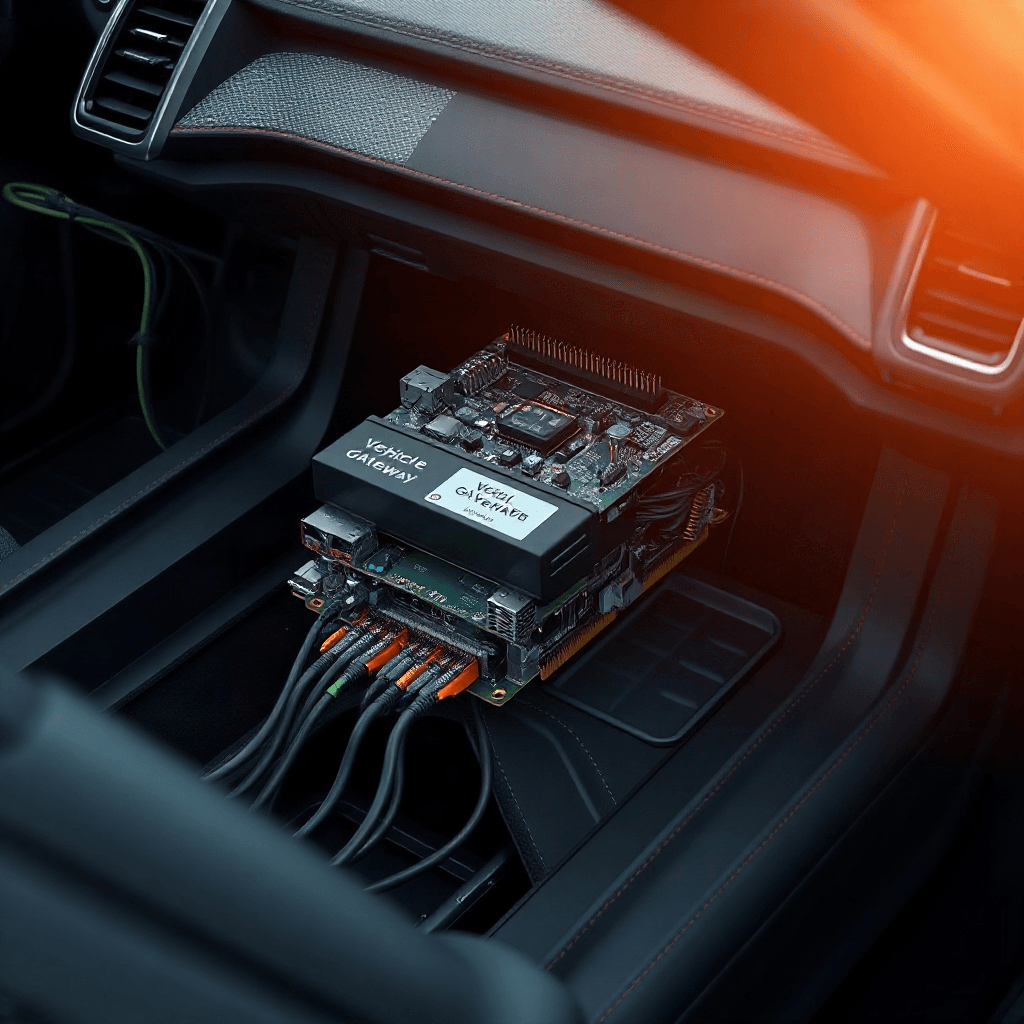
Network DTCs are codes that refer to issues within the vehicle’s communication network, often involving the Controller Area Network (CAN) bus. The CAN bus is a robust vehicle bus standard designed to allow microcontrollers and devices to communicate with each other without a host computer. When we talk about Network DTCs, we are referring to codes that indicate a failure in this communication process. These codes are pivotal as they help identify which module is failing to communicate, indicating potential wiring issues, module failures, or even software glitches. Understanding these codes is essential for pinpointing the exact issue without resorting to a trial-and-error method, which can be both time-consuming and costly.
Lost Communication A Breakdown
Lost Communication DTCs generally indicate that a specific module is not communicating with the rest of the network. This can be due to several reasons, including physical disconnections, faults in the wiring, or failures within the module itself. For instance, if the powertrain control module (PCM) fails to receive a signal from the anti-lock braking system (ABS) module, a Lost Communication DTC will be logged. These codes are critical as they help identify issues that can affect vehicle safety and performance. Technicians rely on these codes to prioritize repairs, especially when safety-critical systems are involved. The challenge, however, lies in accurately diagnosing the root cause of the lost communication, as it requires a comprehensive understanding of the vehicle’s wiring and network architecture.
The Nature of Invalid Data
Invalid Data DTCs, on the other hand, occur when a module receives data that is outside the expected range or format. Unlike Lost Communication, where there is a complete breakdown in signal transmission, Invalid Data suggests that the data being shared is flawed or corrupted. This could be due to sensor malfunctions, software bugs, or even electromagnetic interference. For example, if the transmission control module (TCM) receives incorrect input from the throttle position sensor, it might trigger an Invalid Data DTC. These codes are crucial for identifying issues that might not immediately stop a module from functioning but can lead to incorrect operations and inefficiencies. Addressing Invalid Data DTCs often involves checking sensor outputs and calibrations and ensuring that the software governing these communications is up to date.
Comparing Impact on Vehicle Performance
Both Lost Communication and Invalid Data DTCs can significantly impact vehicle performance, but in different ways. Lost Communication can lead to complete system failures, where a critical component of the vehicle does not operate at all, potentially leading to unsafe driving conditions. Invalid Data, while less likely to cause a complete system shutdown, can result in erratic behavior of the vehicle systems, such as incorrect fuel mixtures, improper shifting in automatic transmissions, or faulty speedometer readings. Both types of DTCs require immediate attention, though the urgency might vary depending on which systems are affected. Understanding these codes helps in determining the priority and type of diagnostic work required.
Diagnostic Approaches for Technicians
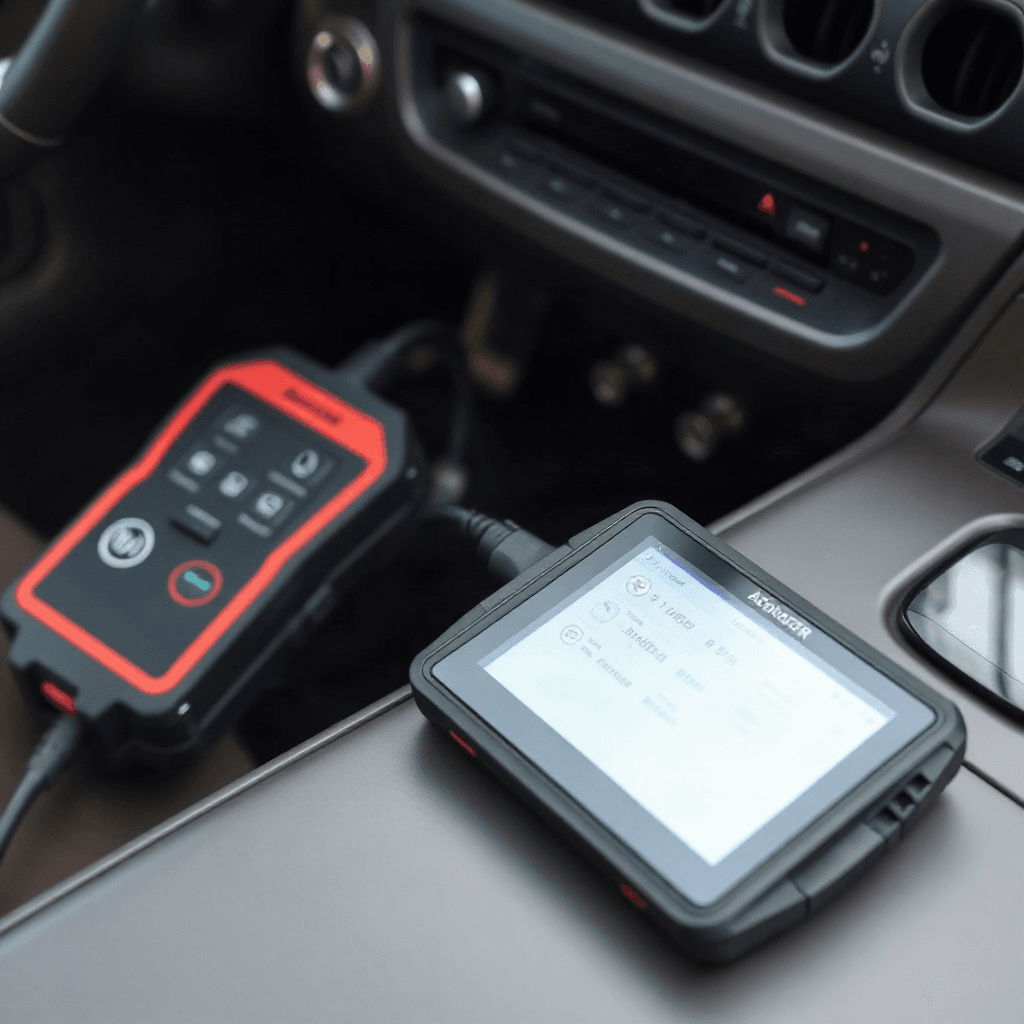
For technicians, diagnosing these DTCs requires different approaches. Lost Communication issues often necessitate physical inspections of the wiring harness, connectors, and modules involved. Technicians use specialized tools to trace the signal path and identify where the communication break occurs. In contrast, diagnosing Invalid Data involves checking the data inputs and outputs for irregularities. This often requires using diagnostic tools to monitor live data streams and compare them against expected values. In both cases, a methodical approach is essential, as rushing through diagnostics can lead to missed issues and repeated repairs.
Future Trends in Network DTC Management
As vehicles become more complex with the integration of advanced driver-assistance systems (ADAS) and increased connectivity, the nature of Network DTCs is evolving. Manufacturers are developing more sophisticated diagnostic tools and software to help technicians better interpret these codes. Additionally, with the rise of over-the-air (OTA) updates, addressing some of these DTCs might become less labor-intensive as software patches can resolve certain issues remotely. However, the underlying principle remains the same: understanding the nature of Lost Communication and Invalid Data is vital for ensuring vehicle reliability and safety in the modern era. As technology advances, staying informed about these changes will be crucial for both professionals and hobbyists alike.