P0410 Code: Secondary Air Injection System Malfunction
The presence of the P0410 code in your vehicle’s diagnostic system can be a confusing and somewhat concerning situation for many car owners. This code, which indicates a malfunction in the Secondary Air Injection System, is a common issue that can lead to increased emissions and potentially damage your vehicle’s engine if not addressed promptly. Understanding what this code means, its causes, symptoms, and possible solutions can help drivers manage the problem effectively and ensure their vehicle runs smoothly. This article will delve into these aspects, providing a comprehensive guide on dealing with the P0410 code.
Understanding the Secondary Air Injection System
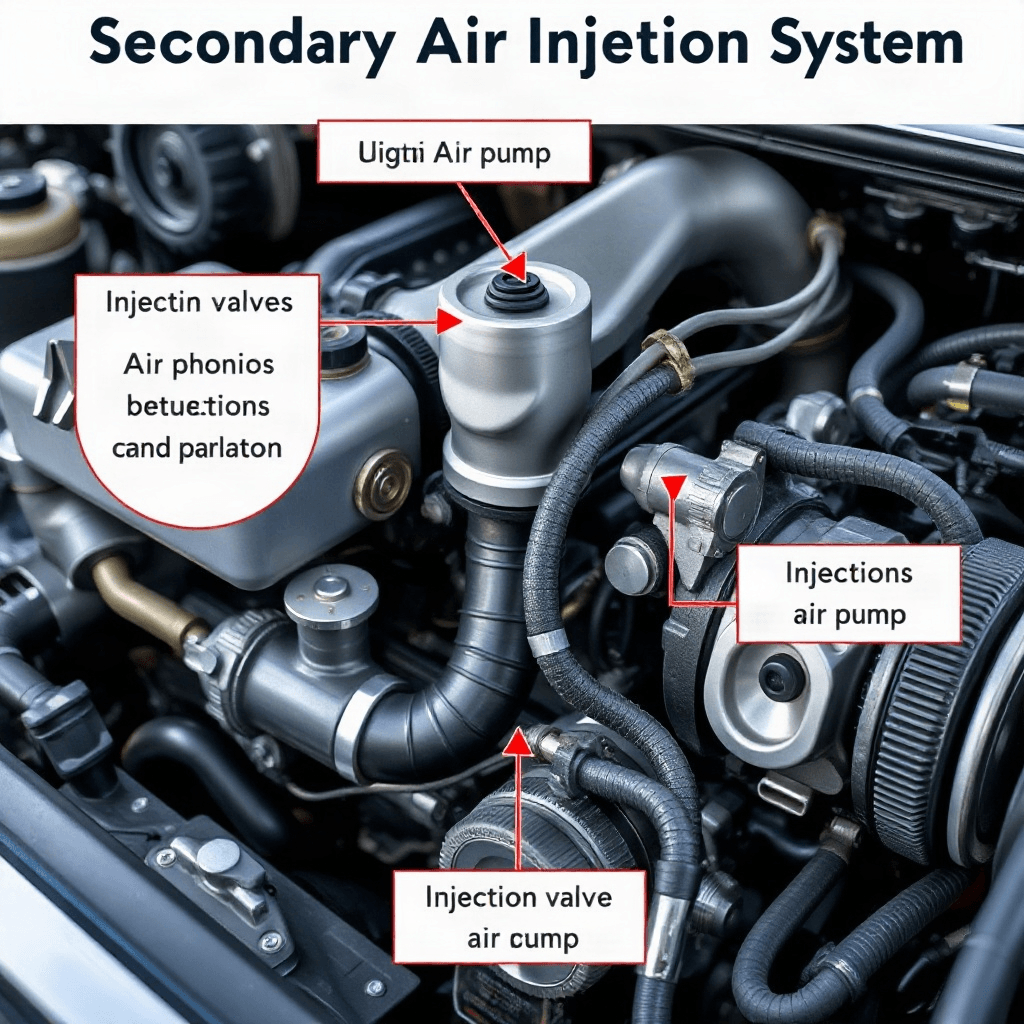
The Secondary Air Injection System plays a crucial role in reducing harmful emissions from your vehicle. It works by injecting fresh air into the exhaust stream, helping to burn off excess hydrocarbons and carbon monoxide before they are expelled into the atmosphere. This system is especially important during cold starts when the engine’s catalytic converter is not yet at its optimal temperature for reducing emissions. By facilitating the combustion of unburned fuel, the Secondary Air Injection System enhances the overall efficiency of the emissions system and helps your vehicle meet environmental regulations.
Common Causes of the P0410 Code
Several factors can trigger the P0410 code, all of which relate to the malfunctioning of the Secondary Air Injection System. One common cause is a faulty air pump, which may fail due to wear and tear or electrical issues. Another potential cause is a defective air injection valve, which can become clogged with carbon deposits or fail to operate correctly. Additionally, issues with circuit wiring or connectors, such as corrosion or damage, can disrupt the system’s operation. Diagnosing the exact cause of the P0410 code typically requires a thorough inspection of these components, often necessitating professional expertise.
Recognizing Symptoms of a Malfunction
When the P0410 code is activated, it is usually accompanied by several noticeable symptoms. The most apparent is the illumination of the Check Engine Light on your dashboard. Additionally, you may notice a rough idle, decreased engine performance, or a reduction in fuel efficiency. These symptoms occur because the engine is not running as efficiently as it should be, due to the impaired function of the Secondary Air Injection System. In some cases, you might also detect unusual noises coming from the air pump, indicating mechanical failure.
Diagnosing the Issue
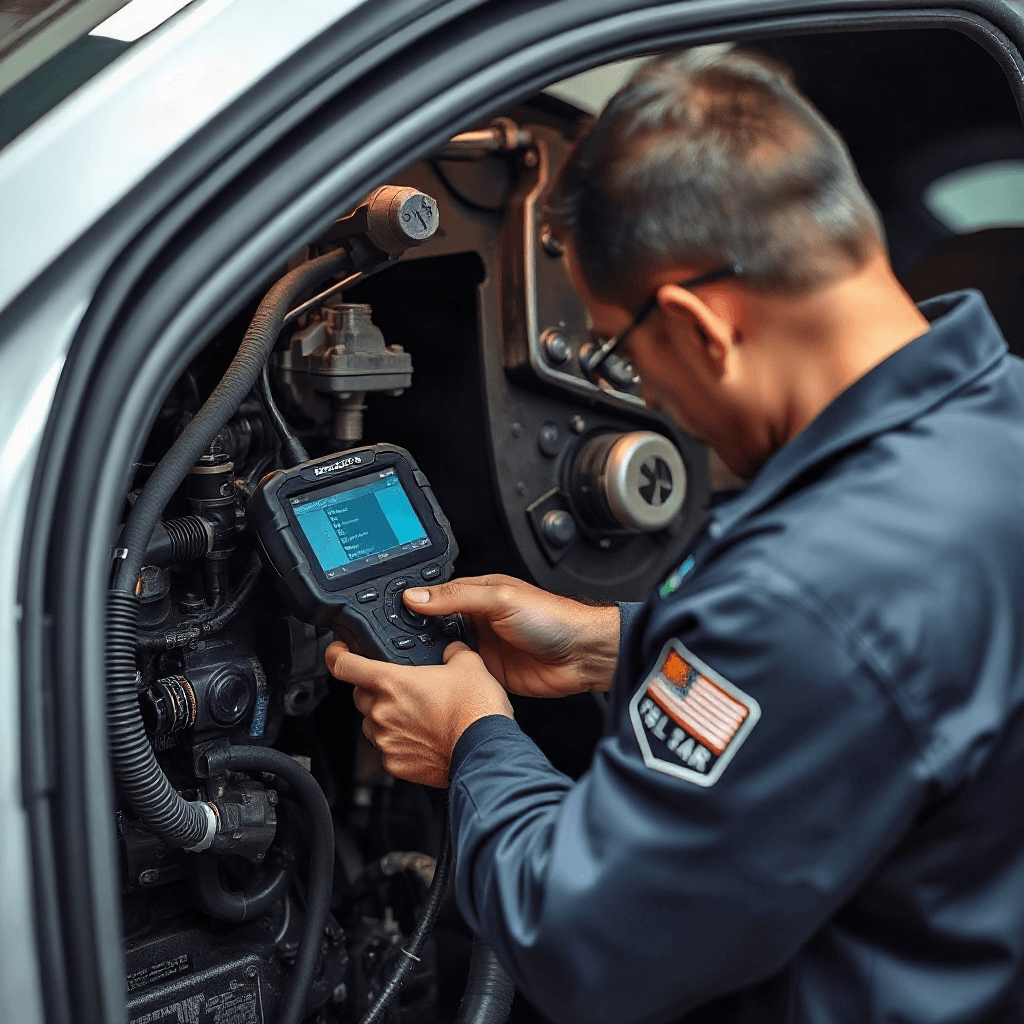
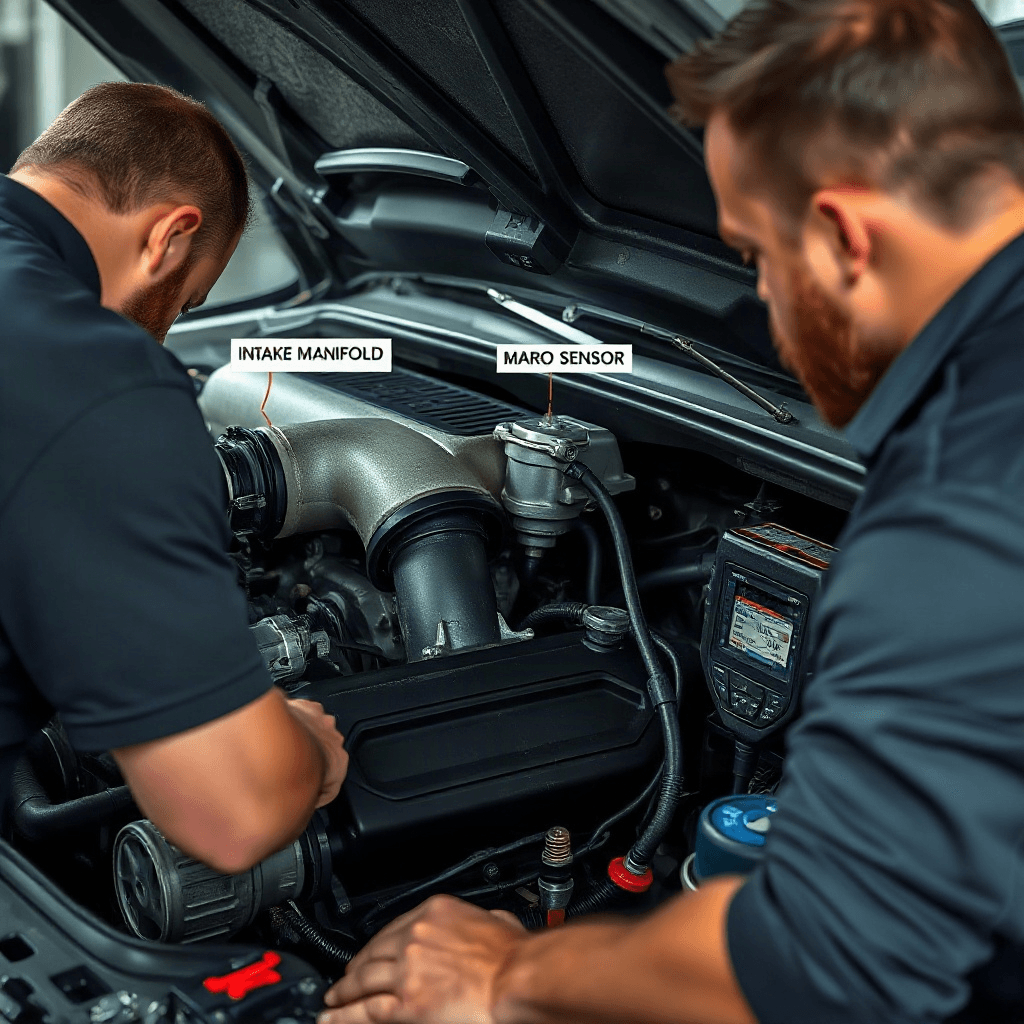
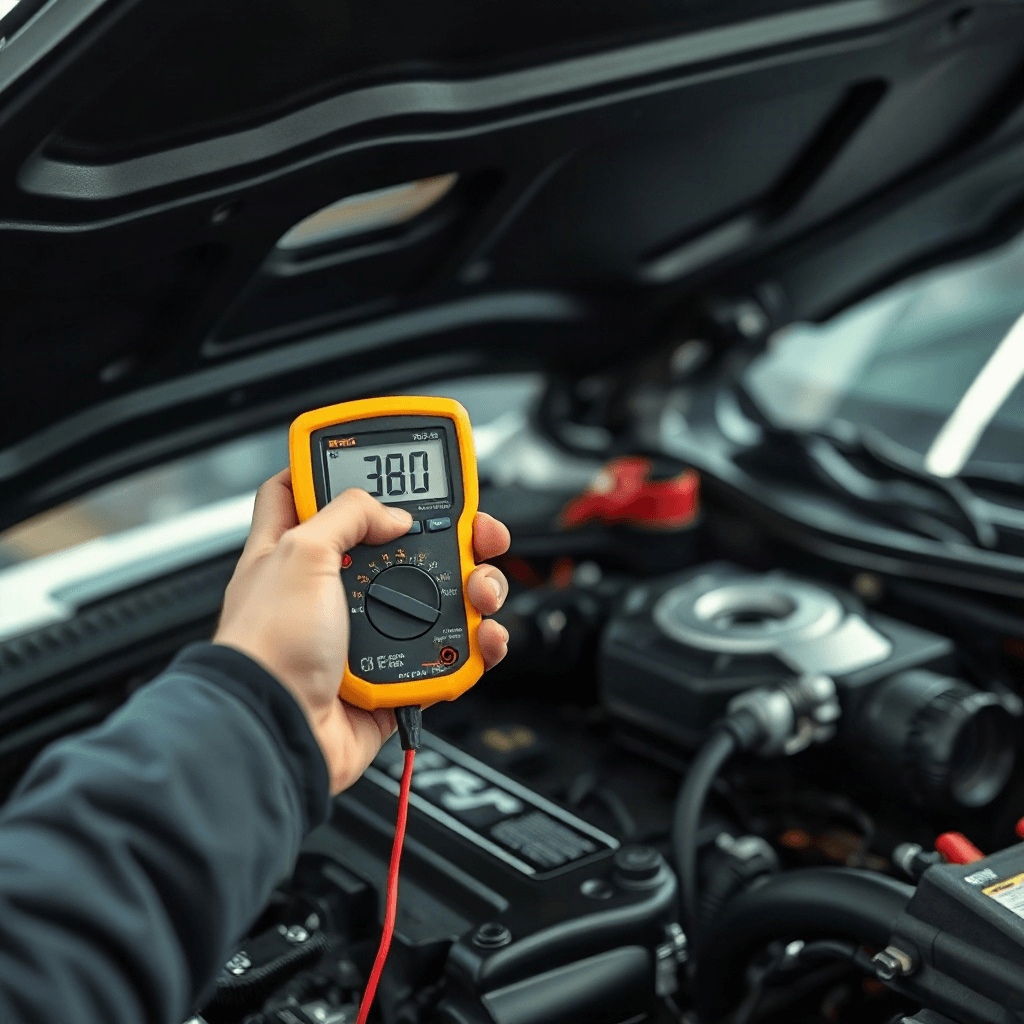
Diagnosing the P0410 code involves a systematic approach to identify the underlying issue. Using an OBD-II scanner, a technician can read the diagnostic trouble code and gather data about the vehicle’s performance. A visual inspection of the air pump, valves, and associated wiring can reveal obvious signs of damage or malfunction. Additionally, testing the electrical and vacuum systems of the Secondary Air Injection System can pinpoint issues with the air pump or control valves. It’s essential to approach this process methodically to avoid misdiagnosis and ensure the correct component is repaired or replaced.
Solutions and Repairs
Addressing the P0410 code effectively requires understanding the specific cause of the malfunction. For instance, if the issue lies with the air pump, replacing it may be necessary to restore proper function. Similarly, if the air injection valve is clogged or defective, cleaning or replacing it can resolve the problem. Repairing or replacing damaged wiring or connectors is also crucial for ensuring the system operates correctly. It’s advisable to seek professional assistance for these repairs, as they require specialized tools and expertise. Regular maintenance and periodic checks can prevent future occurrences of the P0410 code, preserving your vehicle’s performance and environmental compliance.
The Importance of Timely Intervention
Ignoring the P0410 code can lead to more significant issues over time, including increased emissions and potential damage to the catalytic converter. Additionally, driving with a malfunctioning Secondary Air Injection System can result in failed emissions tests, which may have legal and financial implications. Therefore, addressing the P0410 code promptly is essential not only for maintaining vehicle performance but also for environmental responsibility. By understanding the code’s implications and taking appropriate action, drivers can ensure their vehicles remain efficient and reliable.