Turn Signal Blinks Fast: What Hyperflashing Means
In the world of automotive troubleshooting, few things are as universally perplexing as the sudden onset of a fast-blinking turn signal, commonly known as hyperflashing. This seemingly minor issue often hints at underlying electrical anomalies that can range from a simple bulb replacement to more complex wiring concerns. As a seasoned critic of automotive norms and practices, delving into the intricacies of hyperflashing provides not only a glimpse into the vehicle’s electrical architecture but also an exploration of how minor indicators can prevent major automotive failures. The journey through hyperflashing is not merely about restoring normalcy to a vehicle’s turn signal cadence; it is about understanding the language of the machine, deciphering its signals, and ensuring safe and effective communication between driver and vehicle.
Understanding the Language of Hyperflashing
Hyperflashing is often dismissed as a trivial annoyance, but in truth, it serves as the vehicle’s way of communicating that something is amiss within its electrical system. At its core, hyperflashing is a rapid blinking of the turn signal that exceeds the normal rate of one to two blinks per second. This phenomenon is typically triggered when a bulb has burned out or when there is a disruption in the normal current flow within the indicator circuit. The increased blinking rate is the vehicle’s fail-safe mechanism to alert the driver of a potential issue, emphasizing the importance of addressing these signals immediately to avoid further complications. In the realm of automotive diagnostics, understanding this coded language is crucial, as it is the vehicle’s direct line of communication to the operator.
Common Causes of Hyperflashing
The typical causes of hyperflashing can be attributed to a variety of factors. Most commonly, it is the result of a failed bulb. When a bulb in the circuit fails, the resistance in the circuit decreases, causing an increase in current flow. This change triggers the flasher relay to operate at a faster rate. However, bulb failure is merely the surface of this issue. Other contributing factors may include faulty wiring, corroded connectors, or issues within the flasher relay itself. In some instances, the installation of LED bulbs in place of traditional incandescent bulbs can also lead to hyperflashing, due to the lower resistance they present in the circuit. Understanding these causes allows for more accurate diagnostics and efficient solutions, ensuring that the vehicle operates safely and effectively.
The Technical Implications of Hyperflashing
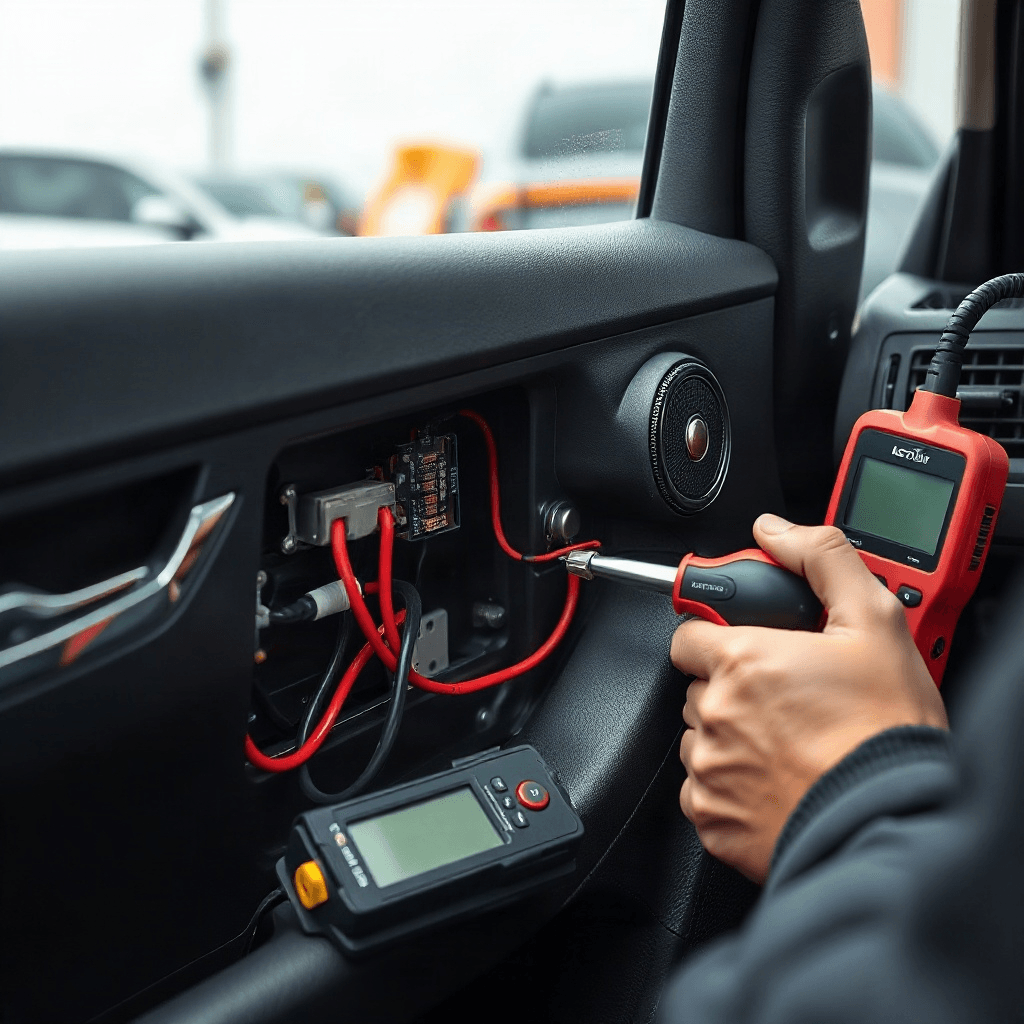
Addressing hyperflashing requires a technical understanding of the vehicle’s electrical system. The flasher relay, responsible for regulating the interval of the turn signal’s blinking, is sensitive to changes in electrical current. When a bulb fails or when there is a disruption in the circuit, the relay responds by increasing the blinking rate. This adaptation, though designed to alert the driver, can lead to confusion if not promptly investigated. Technicians must approach hyperflashing with a methodical diagnostic process, checking bulbs, wiring, and the integrity of electrical connections. Each component must be evaluated to identify the root cause of the increased blinking rate. This technical approach ensures not only the resolution of the immediate issue but also the prevention of potential future failures.
Hyperflashing and its Impact on Vehicle Safety
While hyperflashing might seem like a minor inconvenience, its implications for vehicle safety are significant. A malfunctioning turn signal can lead to miscommunications on the road, increasing the likelihood of accidents. The rapid blinking can also be distracting to other drivers, leading to confusion and potential traffic violations. Furthermore, failure to address underlying electrical issues can result in more severe electrical failures within the vehicle, compromising its overall safety and reliability. By addressing hyperflashing promptly and thoroughly, drivers can ensure that their vehicles continue to communicate effectively and operate safely, mitigating risks on the road.
Solutions and Preventative Measures
Resolving hyperflashing often begins with simple solutions, such as replacing a burned-out bulb. However, it is essential to inspect the entire electrical circuit to ensure there are no additional issues. For those who have converted to LED bulbs, installing a load resistor or an LED-compatible flasher relay can help maintain the correct blinking rate. Regular maintenance and inspections of the vehicle’s electrical system can also prevent hyperflashing. Ensuring that all bulbs are functional, and that wiring and connectors are in good condition, can help avoid unexpected electrical issues. Preventative measures are crucial in maintaining the vehicle’s safety and operational integrity.
The Future of Automotive Diagnostics
As vehicles become increasingly complex, the future of automotive diagnostics will likely depend heavily on advanced technologies capable of interpreting the vast array of signals and warnings a vehicle can produce. Hyperflashing serves as a reminder of the importance of understanding and responding to these signals. The integration of sophisticated diagnostic tools and onboard systems will likely make it easier to identify and resolve issues like hyperflashing. In the meantime, understanding the fundamentals of vehicle signals remains vital for anyone involved in automotive maintenance and repair. This knowledge not only aids in resolving current issues but also prepares technicians and vehicle owners for the advancements in automotive technology that lie ahead.