ABS Fuse and Relay Diagnosis with a Test Light and Multimeter
Diagnosing issues with your vehicle’s ABS system can feel as daunting as fixing a spaceship. But fear not! With a trusty test light and a multimeter, you can become the Sherlock Holmes of car diagnostics. Today, I’m on a mission to unravel the mysteries of ABS fuses and relays, and maybe crack a few jokes along the way. So grab your tools and let’s get our hands dirty, because who needs a clean car, right?
The Mysterious Case of the ABS System
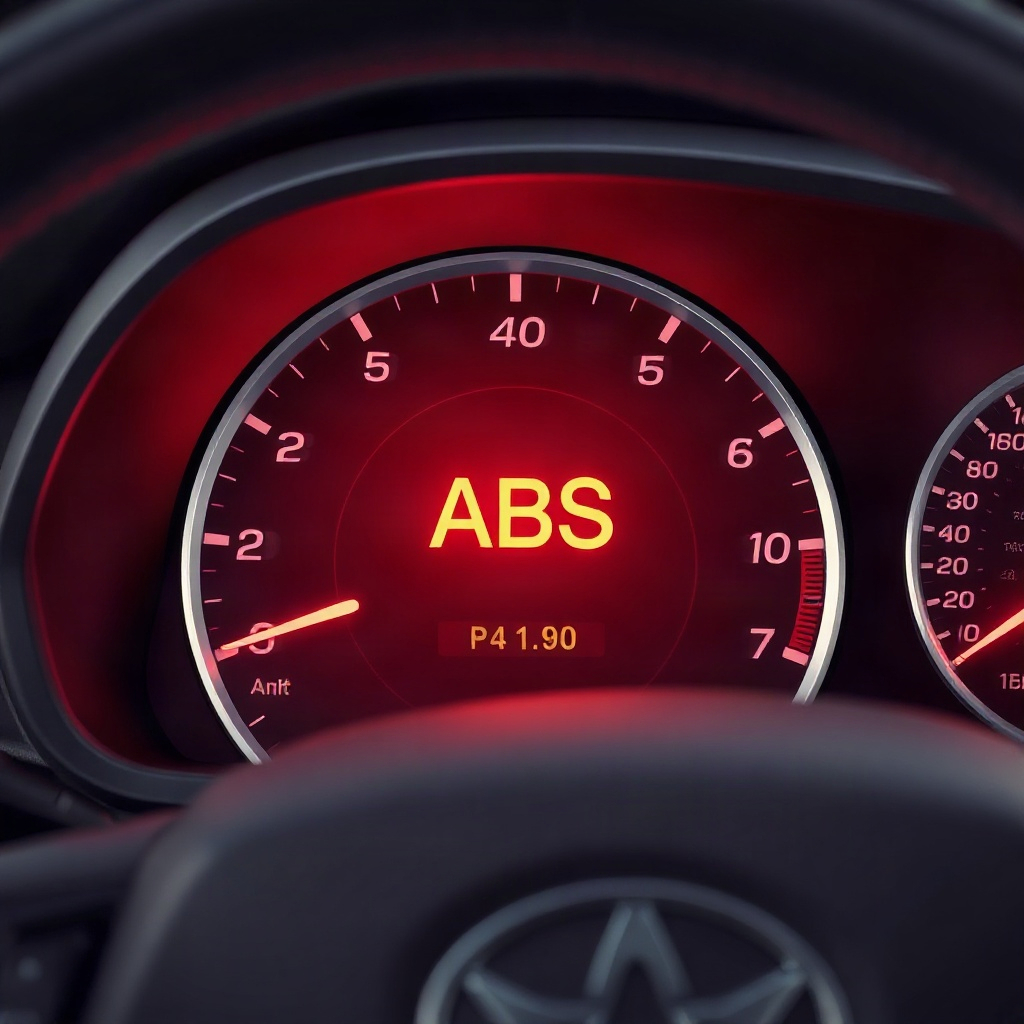
When your ABS light flickers on, it’s like your car’s way of saying, “I need attention!” Think of it as a tantrum, but with more mechanical implications. The ABS system, or Anti-lock Braking System, is crucial for your safety, especially when you’re stopping on slippery roads. But before you panic, remember, it could just be a minor issue with a fuse or relay. And that’s where our trusty test light and multimeter come in! These gadgets are like the magnifying glass for your car troubles—detecting the small things that might cause big headaches.
Tools of the Trade Test Light and Multimeter
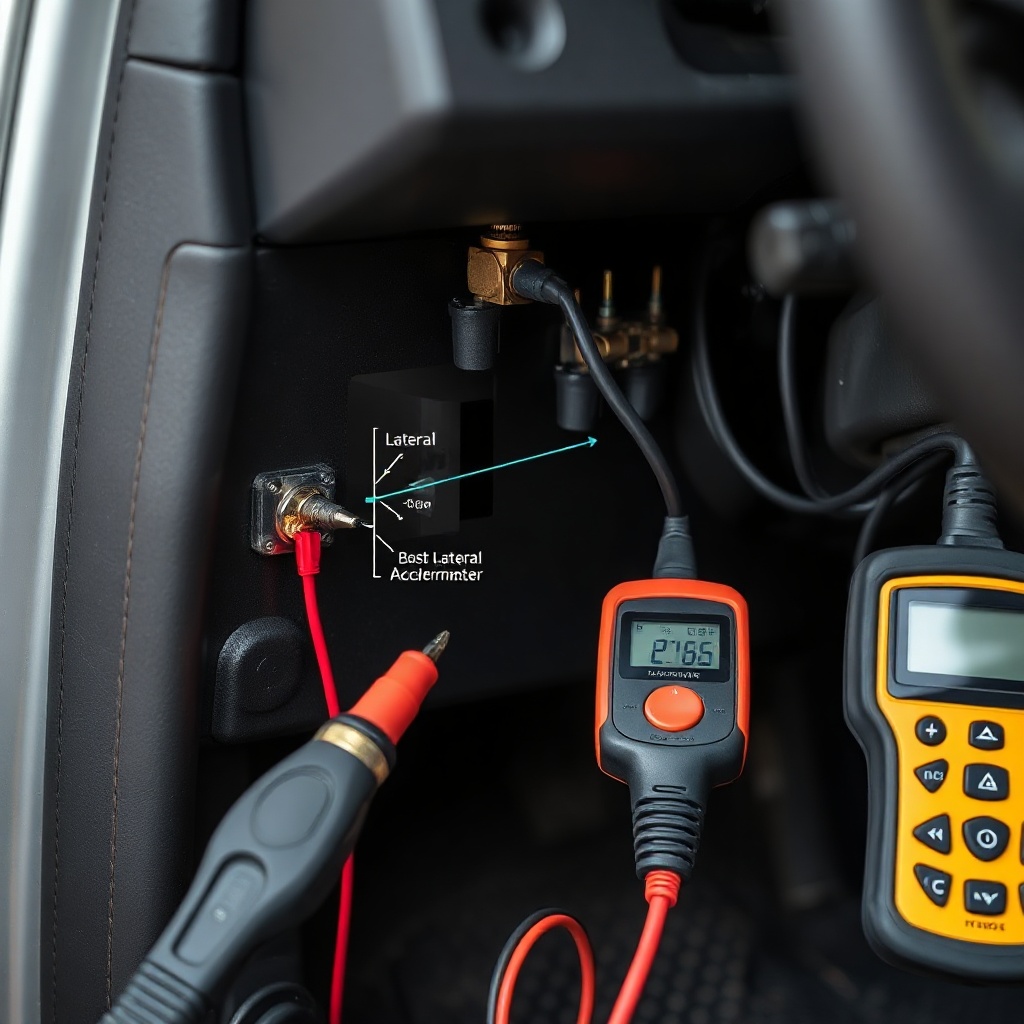
Now, I know what you’re thinking: “Why do I need two tools?” Well, each has its charm. The test light is the trusty sidekick, perfect for checking the flow of electricity, while the multimeter is the superhero with multiple powers, measuring voltage, resistance, and continuity. Together, they make a dynamic duo, ready to tackle any ABS issue that comes your way. Think of them as Batman and Robin, but for your car. And trust me, they’re much easier to handle than a utility belt.
The Art of Fuse Checking
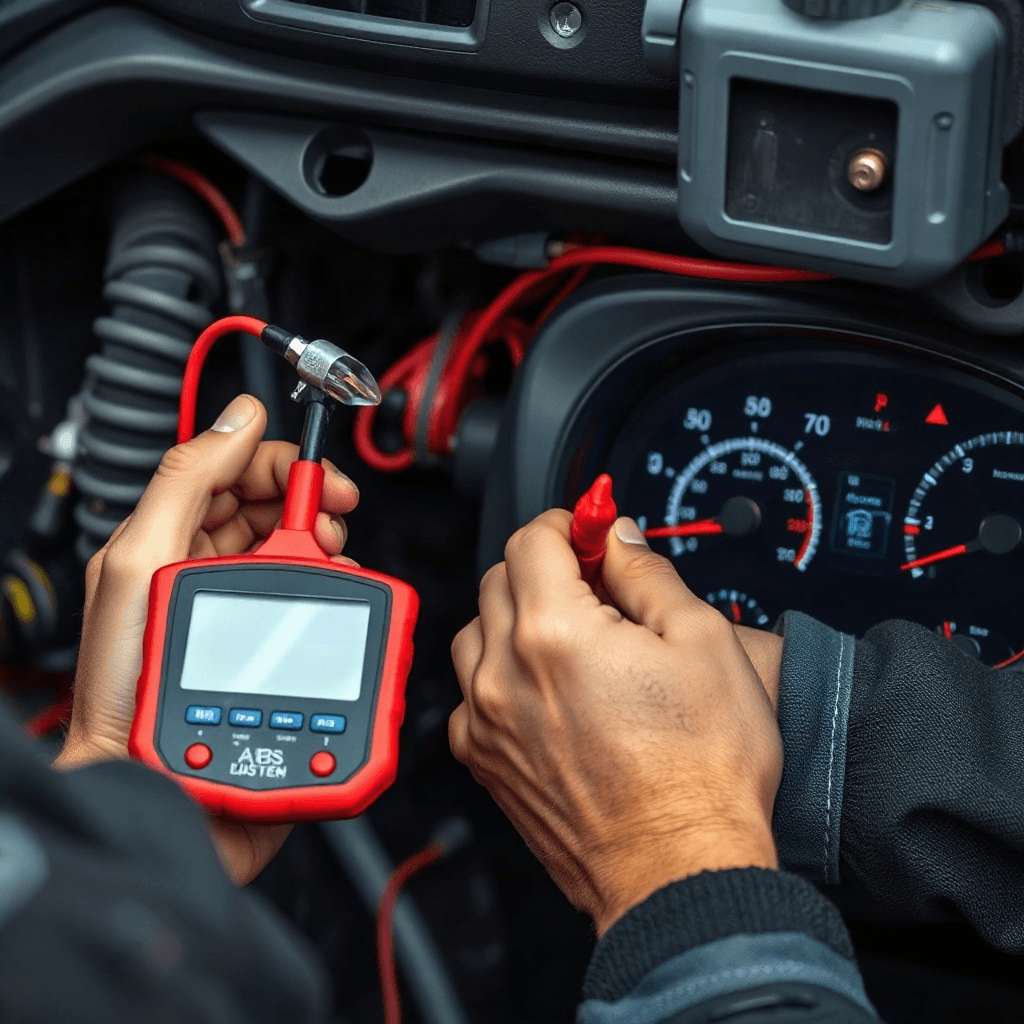
First up, let’s talk fuses. These little guys are the gatekeepers of your car’s electrical system. They’re like bouncers at a club, only letting the right amount of electricity through. If one blows, your ABS might decide to throw in the towel. To check the fuses, grab your test light, and let’s play detective. Connect it to the battery, then touch the probe to each side of the fuse. If the light shines, the fuse is fine. If not, it’s time to swap it out. Easy, right? It’s like playing a game of “Which Wire Is It Anyway?”
Unveiling the Secrets of Relays
Next on our list are relays, the unsung heroes of the electrical world. They control high-power devices with low-power signals and can sometimes be the culprit of your ABS woes. Using your multimeter, you can test the relay’s coil and switch. Set it to continuity mode and place the probes on the relay terminals. If the multimeter beeps, the relay is still in the game. If it stays silent, it’s time for an upgrade. Think of it as musical chairs for car parts—sometimes, they just don’t make the cut.
Troubleshooting Like a Pro
So you’ve checked the fuses and relays, but the ABS light is still on? Don’t worry; it’s not the end of the world. There could be other components at play, like wheel speed sensors or wiring issues. With your test light and multimeter, you can dig deeper, tracing wires and ensuring everything is connected as it should be. It’s like solving a jigsaw puzzle, but instead of a pretty picture, you get a well-functioning ABS. And who doesn’t love a happy ending?
The Satisfying Conclusion
At the end of the day, diagnosing ABS issues with a test light and multimeter is a rewarding experience. Not only do you save money, but you also gain the satisfaction of knowing you’ve tackled a problem head-on. Plus, you get to show off your newfound knowledge to your friends, who will undoubtedly be impressed by your mechanical prowess. So next time your ABS light decides to make an appearance, remember: you’ve got this. And if all else fails, there’s always [your local mechanic] ready to lend a hand.