Engine Cuts Out While Driving: How to Distinguish Electrical and Fuel Faults
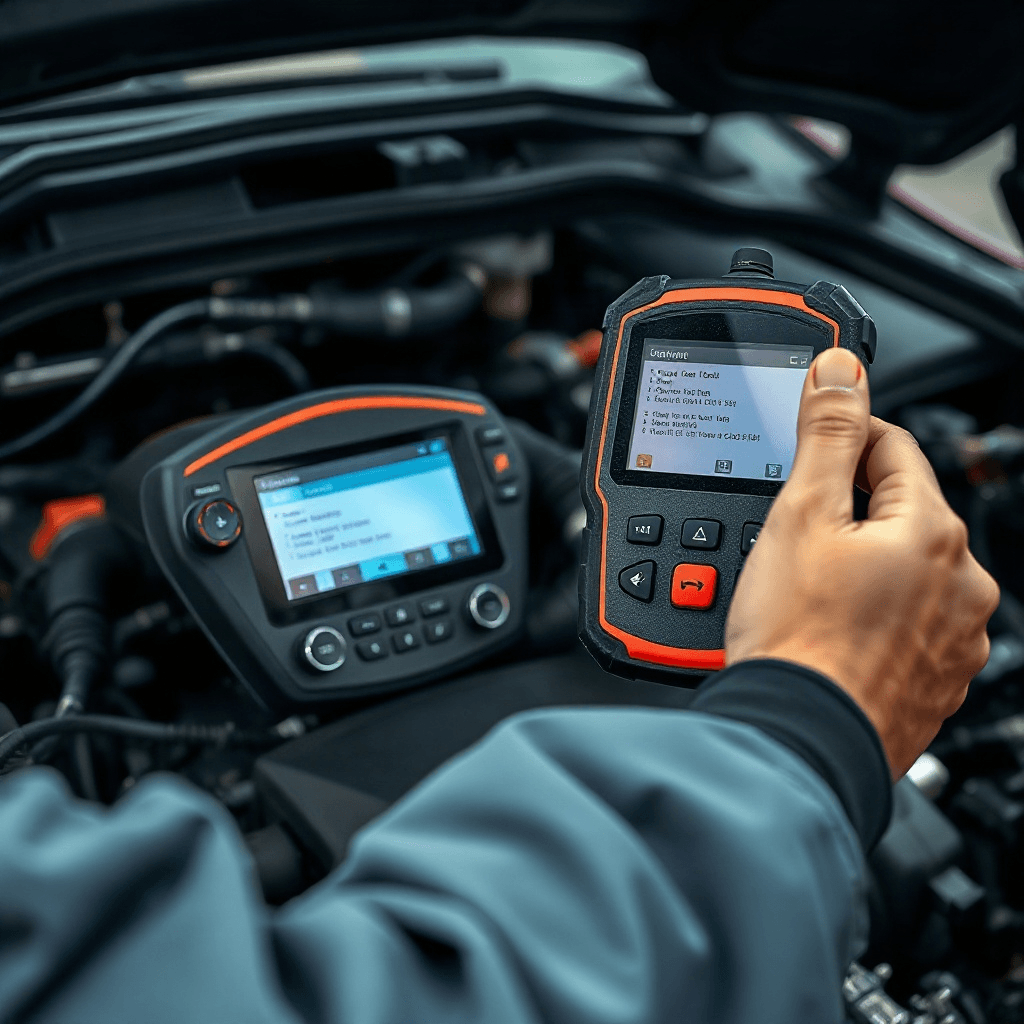
When a vehicle’s engine cuts out unexpectedly while driving, it can lead to a stressful and potentially dangerous situation. Understanding whether the problem stems from an electrical issue or a fuel system fault is crucial for a timely and effective resolution. Both systems are integral to a vehicle’s operation, yet they function differently and exhibit distinct symptoms when they fail. By distinguishing between these two types of faults, drivers can communicate more effectively with mechanics, potentially saving time and money. This guide aims to provide insights into differentiating between electrical and fuel-related engine failures, helping ensure that the appropriate repairs are made swiftly.
Identifying Symptoms of Electrical Faults
When an engine ceases to operate due to an electrical fault, several telltale signs often precede the failure. Drivers might notice flickering dashboard lights or inconsistencies in the electrical systems, such as power windows or radios behaving erratically. These anomalies suggest that the vehicle’s battery or alternator may be struggling to maintain the necessary voltage levels. Another common indicator is the smell of burning plastic or rubber, which can point to overheating electrical components or faulty wiring. If the engine stalls suddenly without warning, it could mean that the ignition system is malfunctioning, possibly due to a failing ignition coil or distributor. Recognizing these symptoms can help narrow down the issue to an electrical fault, allowing for a more targeted approach when seeking repairs.
Understanding Fuel System Issues
Fuel system malfunctions present a different set of symptoms compared to electrical problems. Drivers might experience sputtering or hesitations during acceleration, indicating that the engine is not receiving a consistent fuel supply. A lack of power, especially when climbing hills, can also suggest fuel delivery problems. One of the most noticeable signs is a strong smell of gasoline, which could mean a leak in the fuel system. If the engine fails to start altogether, it could be due to a clogged fuel filter or a failing fuel pump. Observing these symptoms can provide valuable clues that the fault lies within the fuel system, guiding drivers to focus on components such as the fuel injectors, pumps, or filters during troubleshooting.
The Role of Diagnostics Tools
Modern vehicles are equipped with onboard diagnostics systems that can assist in identifying the root cause of engine failures. These systems can detect fault codes that are invaluable in distinguishing between electrical and fuel system issues. By using an OBD-II scanner, drivers or mechanics can retrieve these codes, which provide detailed information on the malfunctioning components. For example, codes related to the ignition system can point towards electrical faults, while those indicating problems with the fuel mixture or pressure often relate to fuel system issues. Utilizing diagnostics tools can significantly enhance the accuracy of fault identification, ensuring that the correct repairs are implemented promptly.
Preventive Measures and Maintenance
Preventive maintenance plays a vital role in minimizing the chances of engine failures, regardless of whether they are electrical or fuel-related. Regularly inspecting and replacing worn-out components such as spark plugs, ignition coils, and fuel filters can preemptively address potential issues. Ensuring that the battery terminals are clean and the alternator is functioning correctly can prevent unexpected electrical failures. Similarly, keeping the fuel system clean through the use of quality fuel and periodic system flushes can avert clogs and leaks. By adhering to a routine maintenance schedule, drivers can significantly reduce the likelihood of experiencing engine cutouts while driving.
Responding to an Engine Cutout
In the event of an engine cutout while driving, remaining calm is paramount. Drivers should safely maneuver their vehicle to the side of the road, turning on hazard lights to alert other motorists. Once stationary, they can attempt to restart the engine, but if it fails to start, professional assistance is advised. Identifying any symptoms that occurred before the cutout can provide valuable information to mechanics, aiding in a quicker diagnosis. By understanding the steps to take when faced with an engine cutout, drivers can ensure their safety and expedite the repair process.
Seeking Professional Assistance
When faced with persistent engine failures, seeking professional assistance can ensure that the problem is accurately diagnosed and repaired. Experienced mechanics possess the expertise and tools necessary to pinpoint the exact cause of a malfunction, whether it is electrical or fuel-related. They can also provide insights into preventative measures that can be taken to avoid future issues. By consulting with a professional, drivers can ensure that their vehicle is restored to optimal condition, reducing the risk of future engine cutouts.