Headlights Flicker While Driving: Body Electrical Causes
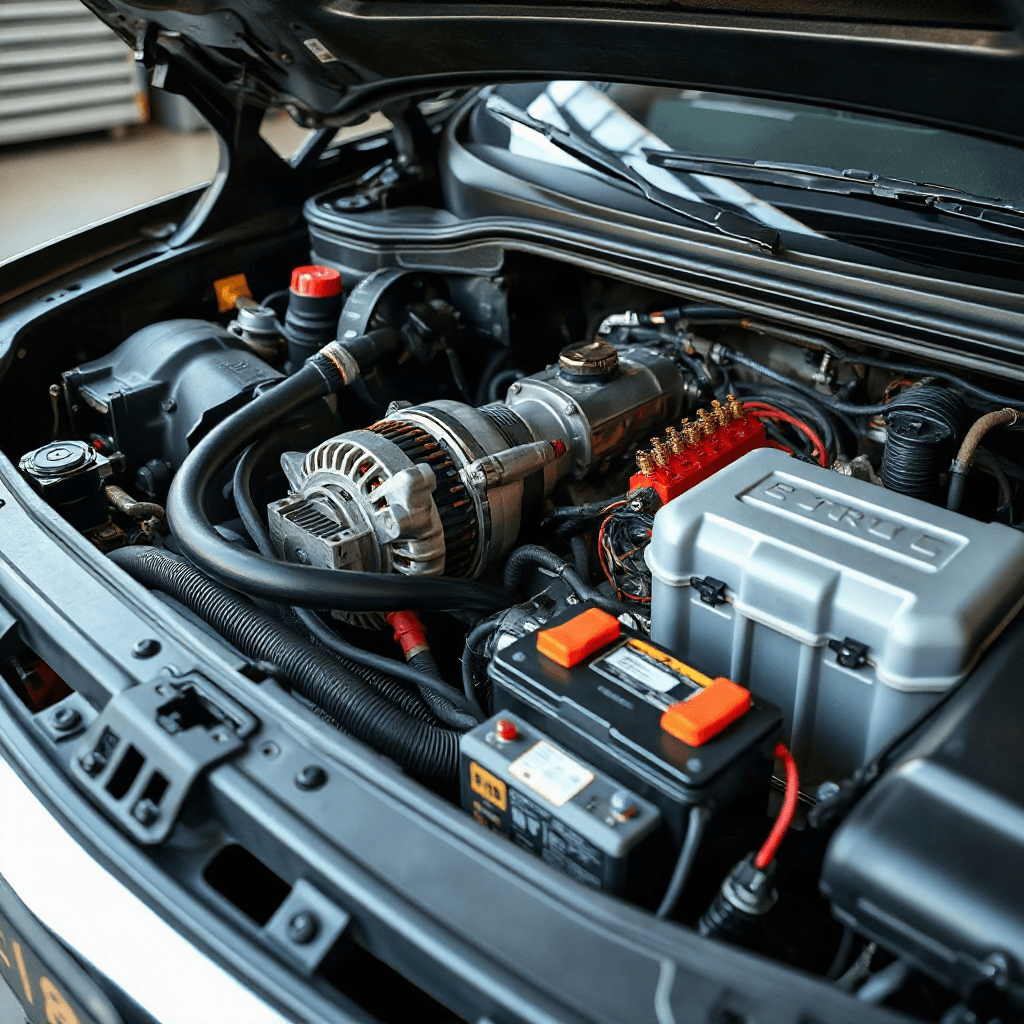
When you’re driving at night, the last thing you want is for your vehicle’s headlights to flicker unexpectedly. This common issue can not only be distracting but also dangerous, particularly in low visibility conditions. Understanding the root causes of this problem requires a deep dive into the vehicle’s body electrical system, which comprises various components working in harmony to ensure smooth operation. In this article, we will explore the potential culprits behind headlight flickering and provide insights into how these issues can be identified and resolved. Our focus will be on the electrical aspects, offering an expert perspective on this often-overlooked issue.
The Role of the Alternator in Headlight Stability
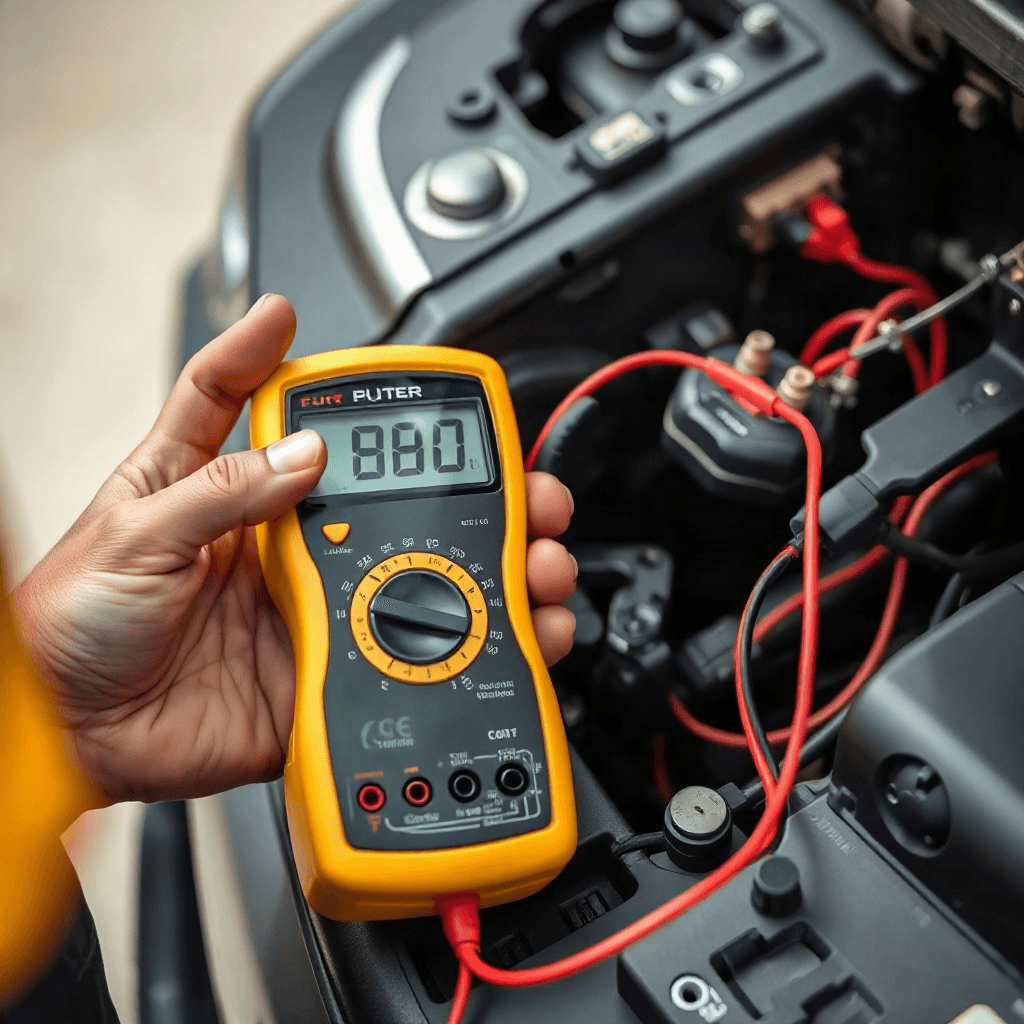
The alternator is a crucial component in a vehicle’s electrical system, responsible for generating power and ensuring that the battery remains charged. It plays a vital role in maintaining headlight stability. When the alternator fails or begins to malfunction, it can cause the headlights to flicker due to inconsistent power supply. This typically happens when the alternator cannot provide a steady voltage output, leading to fluctuations in the electrical system. Checking the alternator’s performance through voltage tests can help determine if it is the source of the problem. If found faulty, replacing the alternator is often the best solution to restore headlight stability and ensure a consistent power supply to all electrical components.
Battery Health and Its Impact on Headlight Performance
The health of a car battery is directly linked to the performance of the vehicle’s electrical system, including the headlights. A weak or failing battery may not provide sufficient power to maintain steady headlight illumination, resulting in flickering. This phenomenon is often more noticeable when the vehicle is idling, as the battery struggles to meet the power demands of various components. Regular battery maintenance, including checking for corrosion and ensuring proper terminal connections, can prevent such issues. In cases where the battery is beyond repair, replacement is necessary to ensure the electrical system functions optimally. By keeping the battery in good health, drivers can reduce the likelihood of experiencing flickering headlights.
Wiring and Connection Integrity A Closer Look
Faulty wiring and poor connections are common culprits behind headlight flickering. Over time, wires can become worn, corroded, or loose, disrupting the flow of electricity. Such disruptions can cause intermittent power loss to the headlights, leading to flickering. To diagnose this issue, a thorough inspection of the wiring harnesses and connections is essential. Technicians should look for signs of wear, corrosion, or damage and ensure that all connections are secure. Repairing or replacing damaged wires and tightening loose connections can effectively resolve the flickering issue. Proper maintenance of the vehicle’s wiring system is crucial for the reliable operation of headlights and other electrical components.
The Influence of Voltage Regulators on Headlight Functionality
Voltage regulators play a pivotal role in maintaining the stability of a vehicle’s electrical system by controlling the voltage output from the alternator. When a voltage regulator fails, it can cause fluctuations in the electrical current, leading to flickering headlights. Symptoms of a faulty voltage regulator may include dimming lights, battery warning lights on the dashboard, or even engine performance issues. Testing the voltage regulator involves measuring the voltage output and ensuring it remains within the manufacturer’s specified range. If the regulator is malfunctioning, replacement is often necessary to ensure consistent power distribution throughout the vehicle. A well-functioning voltage regulator is essential for the stability and reliability of the headlights.
The Impact of Grounding Issues on Electrical Stability
Grounding issues are another potential cause of headlight flickering. A poor or faulty ground connection can result in an unstable electrical circuit, leading to fluctuations in power supply to the headlights. This can be particularly problematic in vehicles with high electrical demands. To address grounding issues, it’s important to check all ground connections for signs of corrosion, looseness, or damage. Ensuring that all grounding points are clean, secure, and properly connected can help stabilize the electrical system and eliminate headlight flickering. Regularly inspecting and maintaining the vehicle’s grounding system is a proactive approach to ensuring electrical stability and performance.
Diagnosing and Resolving Headlight Flickering
Diagnosing headlight flickering involves a systematic approach to identify and rectify the underlying cause. It often requires checking the alternator, battery, wiring, voltage regulator, and ground connections for any signs of malfunction or damage. Utilizing diagnostic tools such as multimeters and voltage testers can aid in pinpointing the exact issue. Once identified, addressing the root cause through repairs or replacements is crucial for restoring headlight functionality. Additionally, regular maintenance of the vehicle’s electrical system can prevent future occurrences. By understanding and addressing the electrical causes of headlight flickering, drivers can maintain safer and more reliable nighttime driving conditions.
[Headlight maintenance tips] can provide further insights into keeping your vehicle’s lighting system in top condition.