Engine Dies After Refueling: EVAP and Fuel-System Symptoms to Consider
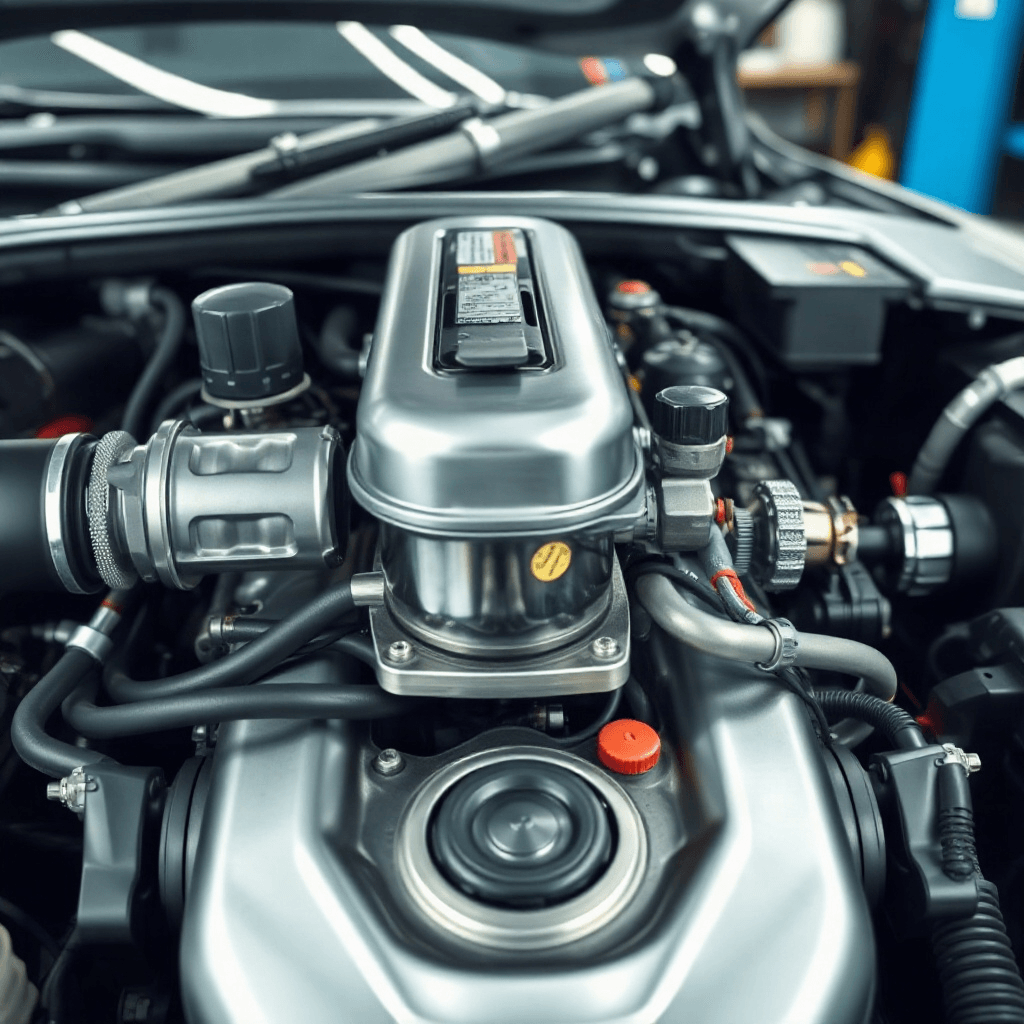
Engines stalling after refueling can be an unnerving experience for drivers, often leading to confusion and concern about underlying issues. The primary factor that comes into play is the EVAP system, a crucial component of modern vehicles designed to manage fuel vapor emissions. Understanding how the EVAP system and the broader fuel system interact can provide clarity on why an engine might fail post-refueling. This article delves into the technical aspects and symptoms associated with these systems, offering insights for vehicle owners and automotive professionals alike.
Understanding the Role of the EVAP System
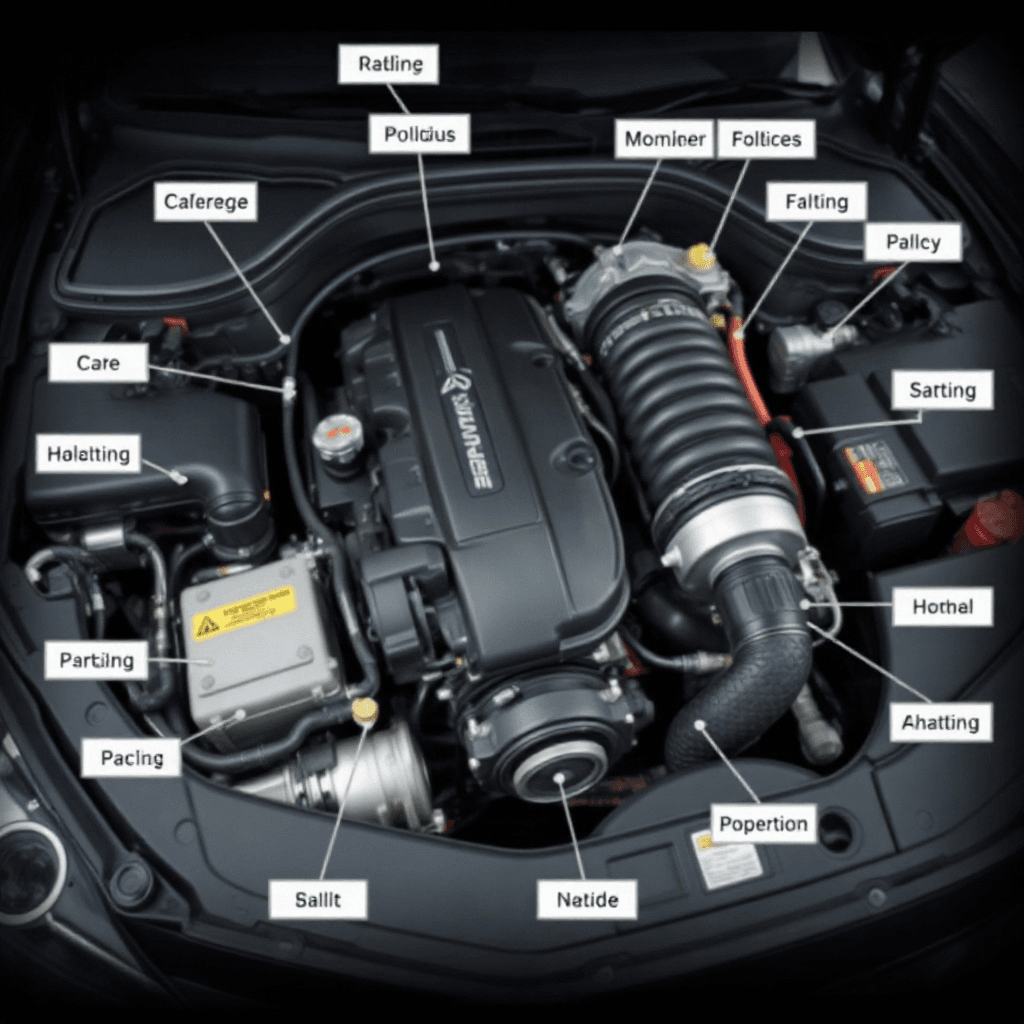
The EVAP (Evaporative Emission Control) system is integral to reducing vehicle emissions by preventing gasoline vapors from escaping into the atmosphere. Its components include the fuel tank, vapor canister, purge valve, and associated lines. When functioning correctly, the EVAP system captures and stores fuel vapors, releasing them into the engine for combustion. However, if there’s a malfunction, such as a stuck purge valve or a leak in the system, it can cause an imbalance in the air-fuel mixture, potentially leading to engine stalling after refueling. Diagnosing and resolving EVAP issues requires a comprehensive understanding of its components and their interactions within the vehicle’s emissions framework.
Fuel System Dynamics and Engine Performance
The fuel system’s primary function is to store and supply fuel to the engine as required. It includes the fuel tank, pump, filters, and injectors, all working in unison to maintain optimal engine performance. Any disruption in this system, such as a clogged fuel filter or malfunctioning pump, can result in inadequate fuel delivery, causing the engine to fail, especially noticeable after refueling when the system is pressurized. Regular maintenance of the fuel system components is essential to prevent such issues. By understanding the synergy between the fuel system and engine performance, one can better anticipate potential problems and address them proactively.
Diagnosing Common Symptoms
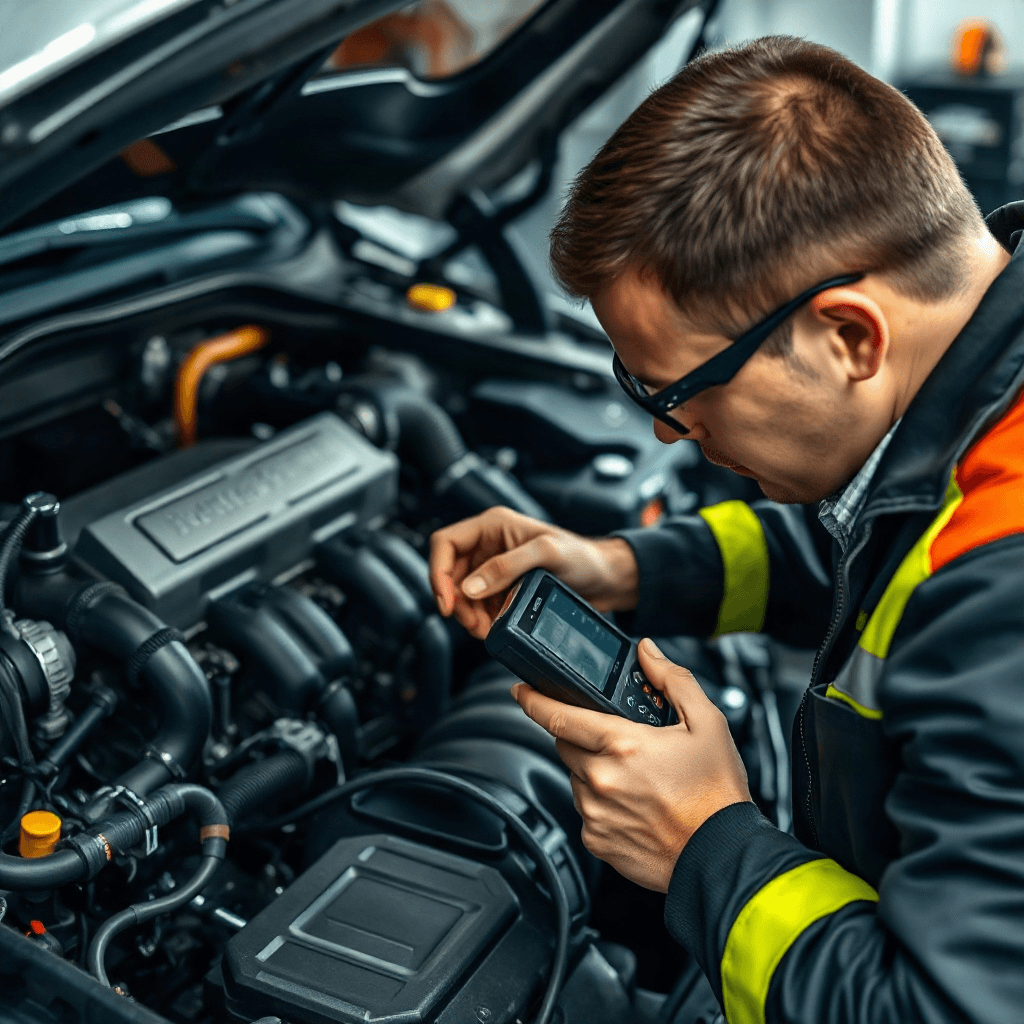
Identifying the symptoms indicative of EVAP or fuel system issues requires a keen eye and familiarity with vehicle diagnostics. Common signs include a rough idle, difficulty starting the engine, and an illuminated check engine light, often accompanied by specific fault codes related to the EVAP or fuel system. Utilizing diagnostic tools to read these codes is crucial for pinpointing the root cause. In many cases, a professional assessment is recommended to ensure accurate diagnosis and effective resolution. By focusing on these symptoms, vehicle owners can take early action, potentially avoiding more severe engine problems.
Preventive Measures and Maintenance
Preventive maintenance is key to ensuring the longevity and efficiency of vehicle systems. Regular inspection of the EVAP and fuel system components can help identify wear and potential failures before they manifest as noticeable problems. This includes checking for leaks, ensuring the integrity of hoses and seals, and replacing filters at recommended intervals. Implementing a routine maintenance schedule, as outlined in the vehicle’s service manual, is an effective strategy to mitigate risks associated with refueling-related engine stalls. By prioritizing preventive measures, drivers can maintain optimal vehicle performance and reduce the likelihood of unexpected breakdowns.
Professional Intervention and Repair
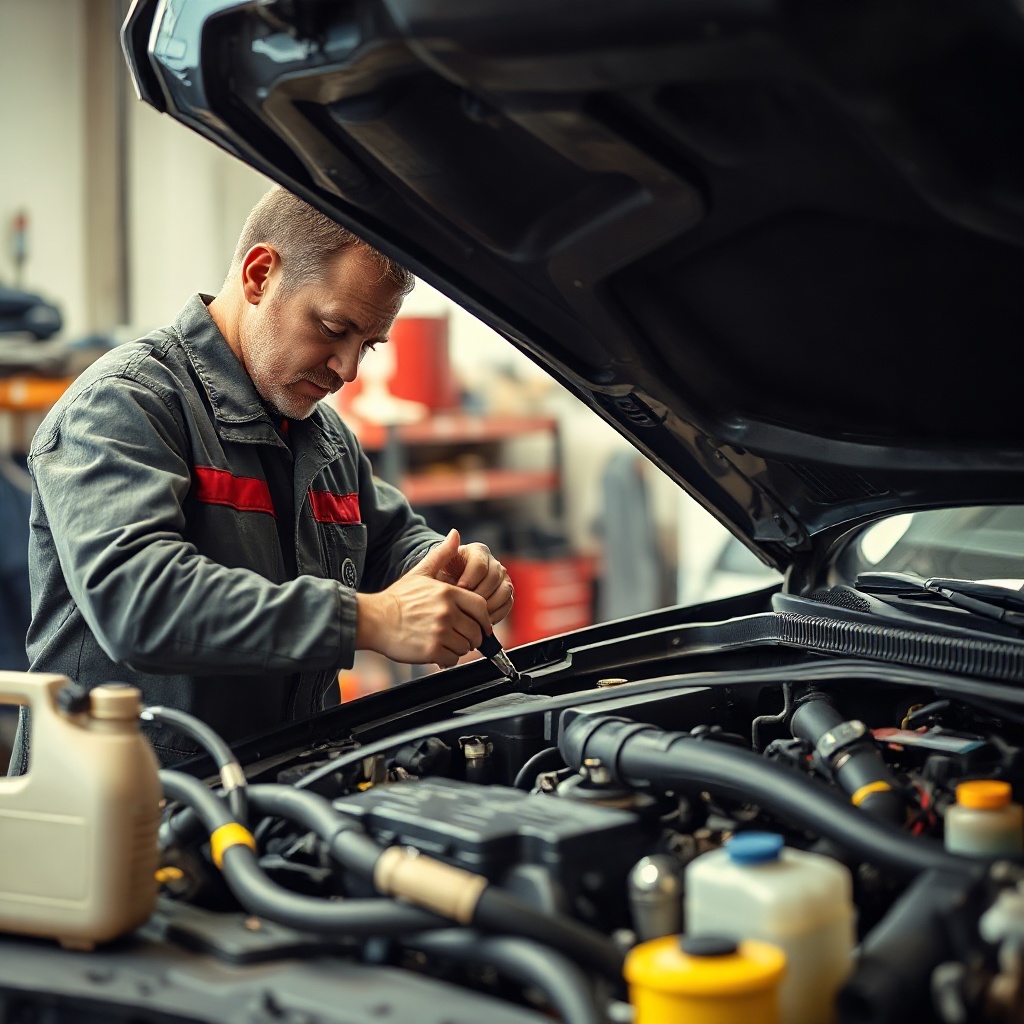
When faced with persistent engine issues after refueling, seeking professional intervention is advisable. Certified automotive technicians possess the expertise and tools necessary to conduct thorough diagnostics, accurately identify faults, and perform necessary repairs. Whether it’s replacing a faulty component or reprogramming the vehicle’s computer system, professional repair services ensure that issues are resolved efficiently and effectively. Building a relationship with a trusted repair service can provide peace of mind and reliable support for addressing complex automotive problems.
The Importance of Continuous Education
For both vehicle owners and automotive professionals, staying informed about advancements in vehicle technology and diagnostic techniques is invaluable. Continuous education through workshops, online courses, and industry publications can enhance understanding of complex systems like EVAP and fuel systems. By keeping abreast of new developments, individuals can improve their diagnostic skills and maintenance practices, ultimately leading to better vehicle performance and reduced environmental impact. Embracing a learning mindset fosters adaptability and readiness to tackle evolving automotive challenges.