Daytime Running Lights Not Working: Common Problems
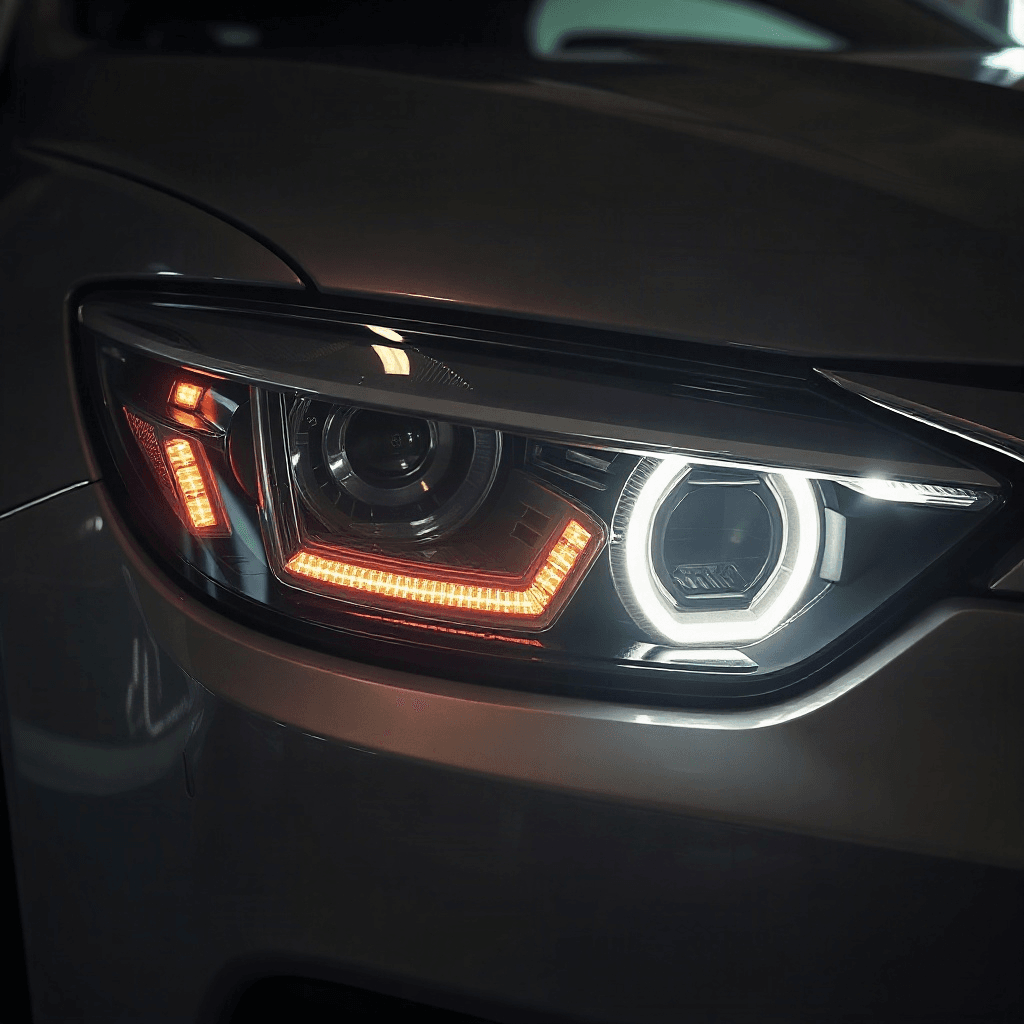
Daytime running lights (DRLs) are an essential feature in modern vehicles, enhancing visibility during daylight hours and contributing to road safety. When these lights fail, it can pose potential hazards not only to the driver but also to other road users. Understanding the common issues that can cause DRLs to malfunction is crucial for maintaining optimal vehicle performance. In this guide, they will explore various factors that might lead to DRLs not working as intended, providing insights into troubleshooting and rectifying these issues. By delving into the technical aspects of DRLs, they aim to equip vehicle owners and enthusiasts with the expertise needed to address such problems effectively.
Understanding the Basic Functionality of Daytime Running Lights
Daytime running lights are designed to automatically illuminate when the vehicle is in operation, typically without the need for driver intervention. They function primarily to increase the visibility of the vehicle to oncoming traffic during daylight conditions. This system is generally integrated with the vehicle’s electrical system, drawing power from the battery and controlled by the ignition switch. The control module manages the DRLs, ensuring they operate only when necessary, such as when the engine is running. They must comprehend that unlike headlights, DRLs are not intended for illuminating the road but rather for ensuring that the vehicle itself is visible to others. Recognizing the basic functionality of DRLs is the first step in diagnosing and addressing any issues that may arise.
Common Electrical Issues Affecting DRLs
Electrical issues are among the most prevalent causes of DRL malfunctions. They should consider inspecting the fuse associated with the DRL circuit as a blown fuse can disrupt the power supply. Corrosion or poor connections at the fuse box can also lead to intermittent functioning of the lights. Another common issue could be a fault in the DRL relay, which acts as a switch to control the power flow to the lights. Faulty wiring, whether due to wear and tear or damage from external factors, can impede the current reaching the DRLs. It is crucial for them to systematically evaluate these electrical components, using a multimeter to check for continuity and ensuring all connections are secure and free from corrosion.
Sensor and Control Module Failures
In modern vehicles, the DRL system may rely on sensors and control modules to function correctly. If the ambient light sensor, which detects daylight conditions, malfunctions, it may cause the DRLs to operate incorrectly. Similarly, a failure in the control module can result in the lights not turning on or off as required. They should assess the sensor’s calibration and functionality, ensuring it is clean and unobstructed. For the control module, a diagnostic scan tool can be employed to check for any error codes or software issues. Resetting or reprogramming the module might be necessary in some cases. Understanding these components’ roles in the DRL system is vital for diagnosing such failures effectively.
Bulb and Socket Issues
Although DRLs are typically designed to have a longer lifespan than conventional bulbs, they are not immune to wear. A burnt-out bulb is a straightforward yet common reason for DRL failure. They should inspect the bulbs for any signs of filament breakage or discoloration, which indicates aging. The socket that the bulb fits into should also be examined for signs of corrosion or damage, as poor contact can lead to intermittent operation or complete failure. Replacing the bulb with one that meets the vehicle manufacturer’s specifications and ensuring the socket is clean and secure are essential steps in resolving these issues.
Software and Configuration Problems
In some vehicles, DRLs are controlled by software settings within the vehicle’s onboard computer system. A software glitch or incorrect configuration can lead to the DRLs not functioning as intended. They must verify that the settings are correctly configured, often accessible via the vehicle’s onboard menu system. Software updates from the manufacturer may also address known issues, so ensuring the vehicle’s software is up to date is important. In cases where software problems persist, a professional diagnostic tool might be required to recalibrate or reset the system. Understanding the role of software in DRL operation helps in identifying and rectifying such issues effectively.
Professional Diagnosis and Repair Recommendations
While they can address many DRL issues with basic troubleshooting, some problems may require professional intervention. If the DRLs continue to malfunction despite their efforts, consulting with a certified automotive technician is advisable. Professionals have access to advanced diagnostic equipment and the expertise to identify complex electrical or software-related issues. They can also ensure that any repairs or replacements adhere to the vehicle’s specifications. In addition, seeking professional assistance can prevent potential safety risks associated with improper repairs. Understanding when to escalate to professional services is crucial for maintaining both vehicle safety and performance.