What U-Code Freeze-Frame and Scan Data Can Tell You

In the realm of automotive diagnostics, understanding the intricacies of U-Code freeze-frame and scan data is crucial for professionals seeking to efficiently troubleshoot and maintain modern vehicles. As vehicles become increasingly complex, embedded with advanced electronic systems and sophisticated software, the role of precise diagnostic tools has never been more pivotal. This article aims to delve into the depths of U-Code freeze-frame and scan data, elucidating their significance and applications in automotive diagnostics. By examining how these data points can be leveraged to identify and resolve vehicular issues, we can appreciate their contribution to the field of automotive repair and maintenance.
Understanding U-Code Freeze-Frame Data
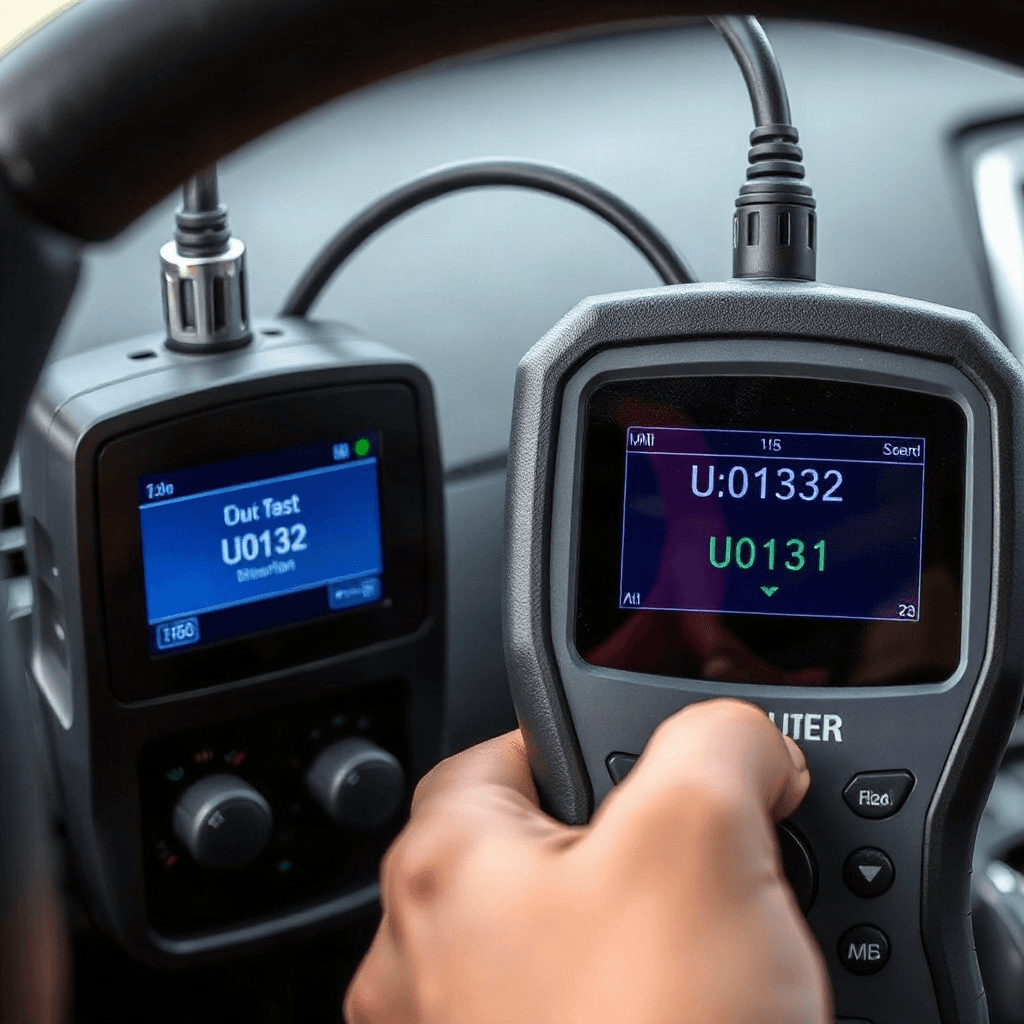
Freeze-frame data serves as a snapshot of a vehicle’s operating conditions at the moment when a Diagnostic Trouble Code (DTC) is set. U-Codes, specifically, relate to network communication issues, which are often indicative of failures in the vehicle’s communication bus system. This data can provide technicians with valuable insights into the state of the vehicle at the time of the fault, such as engine speed, coolant temperature, and sensor outputs. By analyzing this data, technicians can pinpoint anomalies that may have triggered the U-Code, thereby facilitating a more targeted and efficient diagnostic process. This understanding reduces the likelihood of unnecessary component replacements and ensures that vehicular issues are addressed accurately.
The Role of Scan Data in Diagnostics
Scan data encompasses a broader range of information collected from a vehicle’s onboard diagnostic system. This data is critical for diagnosing and interpreting U-Codes, as it provides a comprehensive overview of the vehicle’s electronic systems. The ability to access real-time data streams and historical logs empowers technicians to identify patterns and correlations that may not be immediately apparent. For instance, a recurring communication error might be linked to intermittent wiring faults or software glitches. By leveraging scan data, technicians can adopt a systematic approach to diagnostics, enabling them to address underlying issues with precision and confidence.
Common Communication Errors and Their Implications
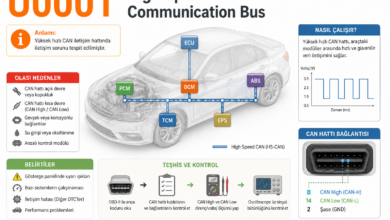
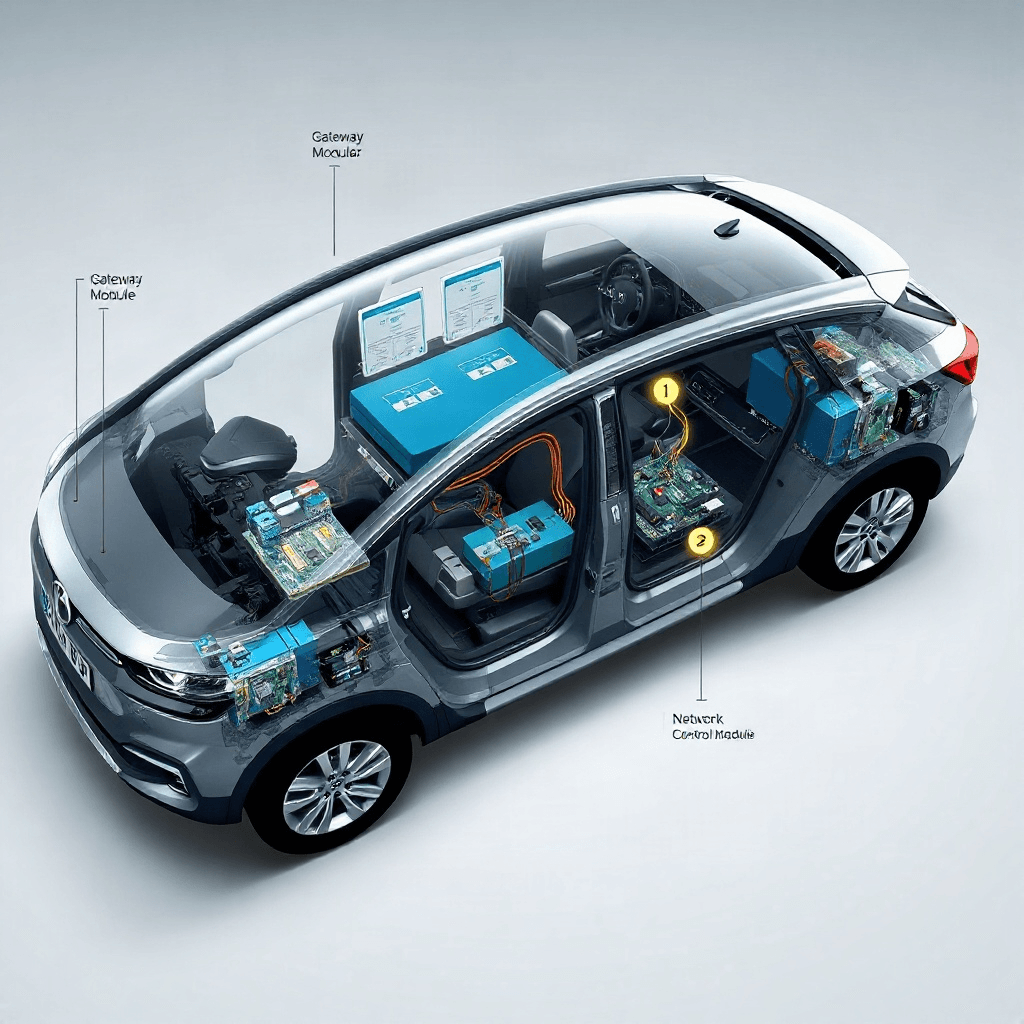
Communication errors, often denoted by U-Codes, are typically associated with failures in data transmission between various electronic control units (ECUs) within the vehicle. These errors can manifest as sporadic performance issues, malfunctioning dashboard indicators, or complete system failures. Understanding the implications of these errors is critical for technicians, as misdiagnosis can lead to prolonged vehicle downtime and increased repair costs. By accurately interpreting U-Code freeze-frame and scan data, professionals can identify the root cause of communication errors, whether they stem from hardware failures, software malfunctions, or external interferences, and implement appropriate corrective measures.
Diagnostic Tools and Techniques for U-Code Analysis
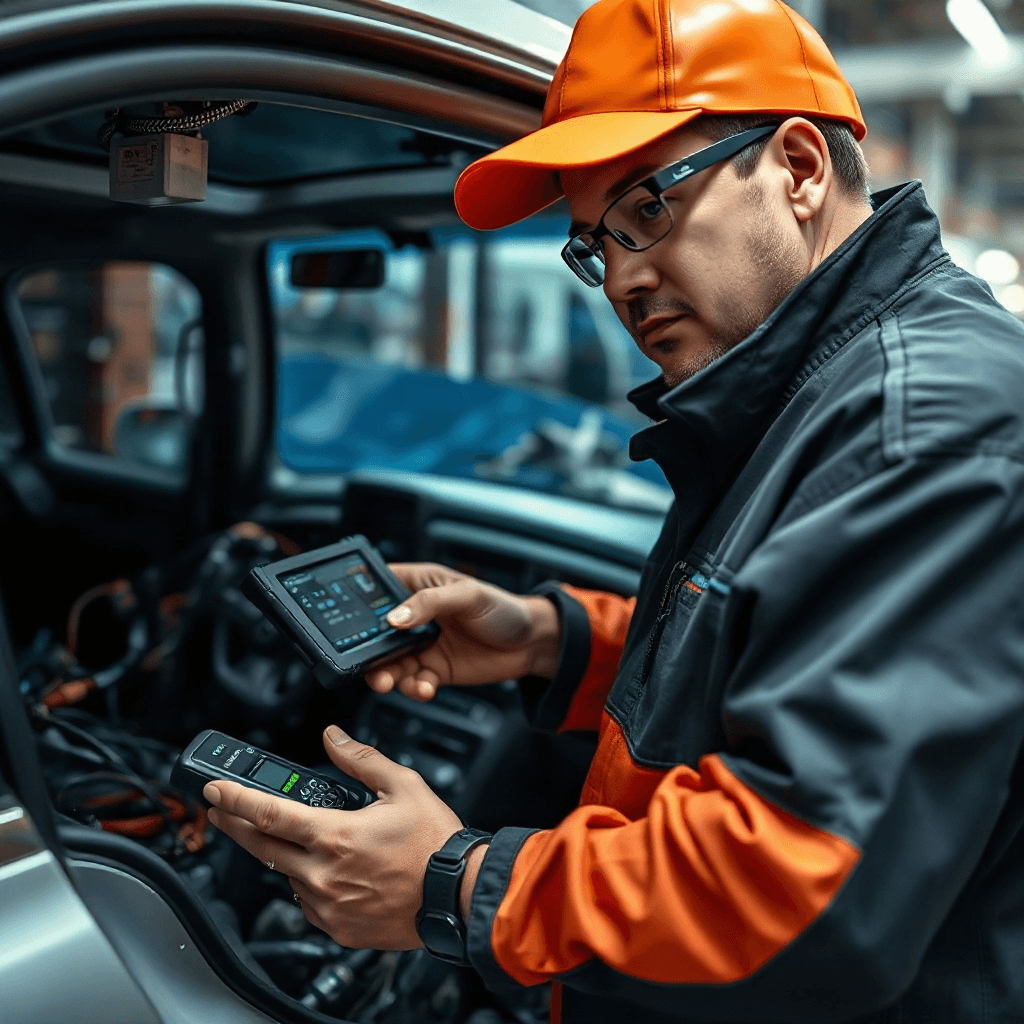
The effectiveness of U-Code analysis is heavily reliant on the diagnostic tools and techniques employed by technicians. Advanced scan tools equipped with high-resolution data capture capabilities are essential for extracting and interpreting freeze-frame and scan data accurately. Furthermore, employing techniques such as system voltage checks, continuity tests, and network diagnostics can significantly enhance the diagnostic process. By combining these tools and techniques, technicians can not only diagnose existing faults but also anticipate potential vulnerabilities within the vehicle’s communication network, thereby preemptively mitigating future issues.
The Impact of Accurate Diagnostics on Vehicle Maintenance
Accurate diagnostics, facilitated by comprehensive analysis of U-Code freeze-frame and scan data, play a pivotal role in the overall maintenance strategy of modern vehicles. By ensuring that faults are identified and rectified promptly, technicians can enhance vehicle reliability and longevity, ultimately leading to improved customer satisfaction. Moreover, the ability to accurately diagnose and address communication errors minimizes the risk of incorrect repairs, which can be costly and time-consuming. By prioritizing precise diagnostics, automotive professionals can uphold the integrity and performance of vehicles, reinforcing the trust of consumers in their services.
Future Trends in Automotive Diagnostics
As automotive technology continues to evolve, driven by advancements in artificial intelligence and machine learning, the landscape of diagnostics is poised for significant transformation. Future diagnostic tools may incorporate predictive analytics to foresee potential system failures before they occur, thereby revolutionizing maintenance practices. Additionally, enhanced connectivity and data-sharing capabilities could facilitate remote diagnostics, allowing technicians to access U-Code freeze-frame and scan data from anywhere in the world. By staying abreast of these trends, automotive professionals can ensure they are equipped to meet the challenges and opportunities presented by the next generation of vehicles.