Gateway Module vs. Network Control Module: Are They the Same?
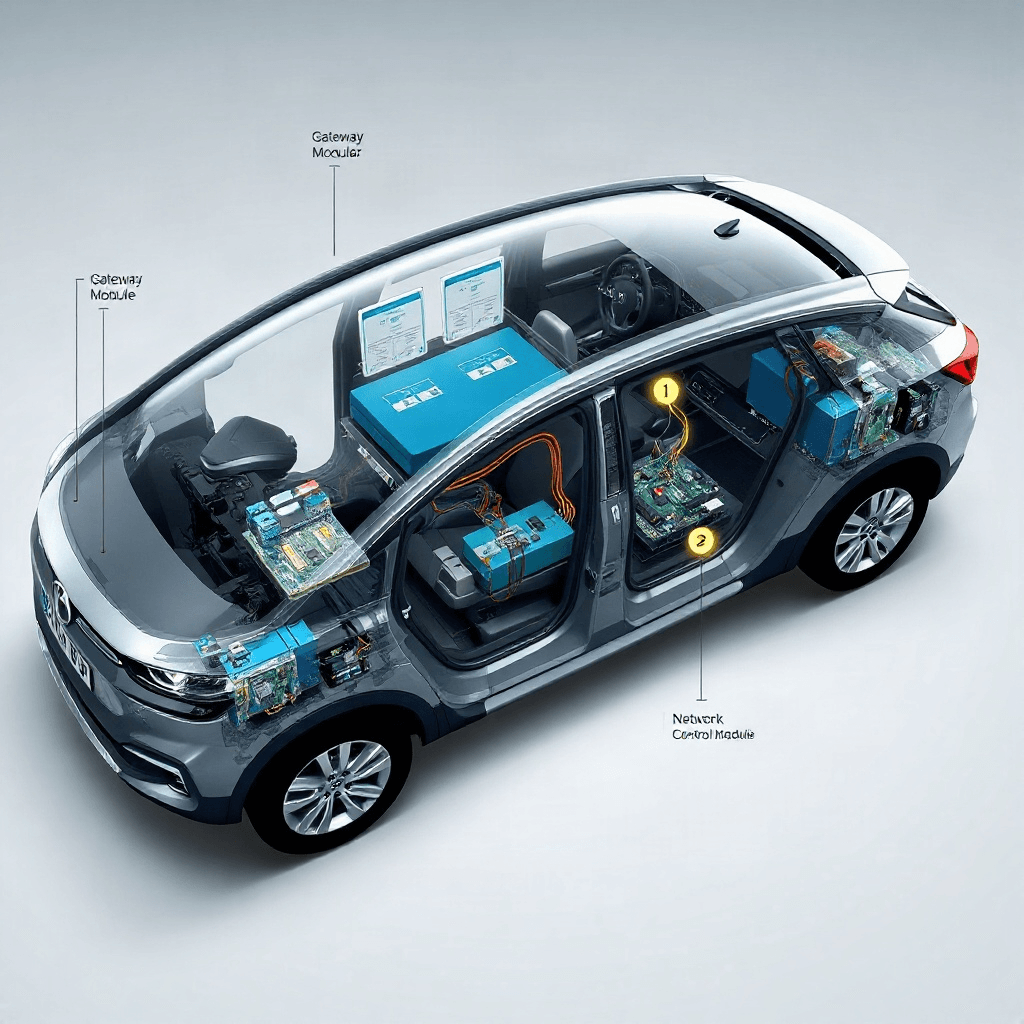
In the ever-evolving landscape of automotive technology, understanding the difference between various modules is crucial for both enthusiasts and professionals. Among these, the Gateway Module and the Network Control Module often appear as pivotal components in vehicle communication systems. At first glance, they might seem interchangeable, but they serve distinct purposes. This article delves into the specifics of each module, clarifying their roles and addressing the common misconceptions that surround them.
The Role of the Gateway Module in Automotive Systems
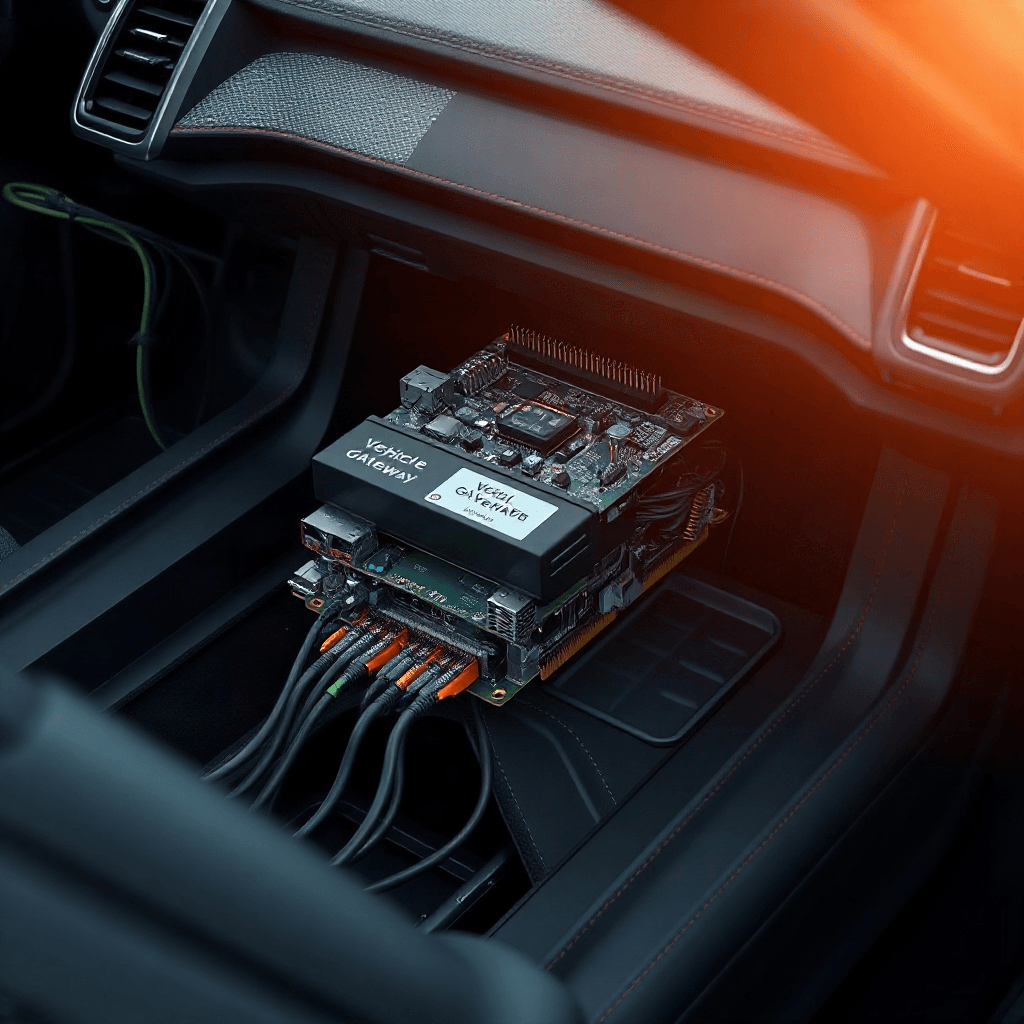
The Gateway Module is a critical component in modern vehicles, serving as the communication hub that allows different systems to interact seamlessly. Its primary function is to manage the data flow between various electronic control units (ECUs) within the vehicle. By translating and routing information, the Gateway Module ensures that all systems work harmoniously, from the powertrain to the infotainment system. This module also plays a vital role in diagnostics, allowing mechanics to access and troubleshoot different vehicle systems effectively. The increasing complexity of automotive electronics has made the Gateway Module indispensable, providing a unified communication platform that supports advanced functionalities such as autonomous driving and enhanced safety features.
Understanding the Network Control Module
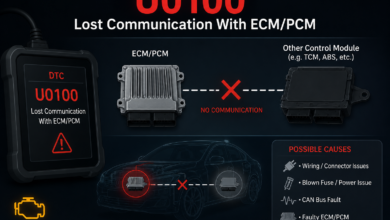
On the other hand, the Network Control Module primarily focuses on managing the vehicle’s communication networks, such as the Controller Area Network (CAN) bus. It plays a pivotal role in the stability and reliability of data transmission across the vehicle’s electronic architecture. Unlike the Gateway Module, which deals with intersystem communication, the Network Control Module is responsible for maintaining the integrity of data within individual networks. It ensures that the data packets sent across networks are error-free and that communication remains consistent under various operating conditions. This module is essential for maintaining the performance of the vehicle’s systems over time, particularly as manufacturers increasingly rely on electronic communication to enhance vehicle functionality.
Differences in Functionality and Application
While both modules are integral to a vehicle’s communication infrastructure, their functionalities differ significantly. The Gateway Module acts as a translator and mediator among diverse systems, whereas the Network Control Module focuses on intra-network communication reliability. In application, the Gateway Module is more involved in broader, system-wide communication tasks, whereas the Network Control Module is concerned with the optimization and maintenance of specific network protocols. These distinctions highlight the necessity of both modules in achieving seamless communication and functionality within modern vehicles. Understanding these differences is crucial for automotive professionals when diagnosing issues or integrating new technologies into existing systems.
Common Misconceptions and Technical Clarifications
A prevalent misconception is that the Gateway Module and the Network Control Module are interchangeable or that they perform overlapping functions. However, as outlined, they serve unique roles within the vehicle’s electronic ecosystem. Another misunderstanding is their impact on vehicle performance; while both are crucial, their influence is exerted in different areas. The Gateway Module affects overall system integration, whereas the Network Control Module ensures stable communication within specific networks. Clarifying these misconceptions is vital for anyone involved in automotive diagnostics, repair, or design, ensuring that each component is correctly utilized and maintained for optimal vehicle performance.
The Importance of Both Modules in Modern Vehicles
In the context of rapidly advancing automotive technologies, the importance of both the Gateway Module and the Network Control Module cannot be overstated. These modules are foundational to the complexity and sophistication of today’s vehicles, enabling features like real-time navigation, advanced driver-assistance systems (ADAS), and seamless infotainment integration. As vehicles become more connected and autonomous, the demand for efficient and reliable communication systems will only grow. Understanding and leveraging the unique capabilities of each module is crucial for developing future technologies and ensuring the longevity and reliability of current systems.
Future Trends and Developments in Automotive Communication
Looking ahead, the evolution of automotive communication systems will likely involve greater integration and sophistication of the Gateway and Network Control Modules. As vehicles continue to incorporate more advanced technologies, such as V2X communication and cloud-based services, these modules will need to adapt to handle increased data loads and enhance cybersecurity measures. The development of standardized protocols and the integration of artificial intelligence could further enhance their functionalities, offering smarter, more efficient communication solutions. For industry professionals and enthusiasts alike, staying informed about these trends is essential for navigating the future of automotive technology effectively.