How to Find a Voltage Drop in the Starter or Charging Circuit
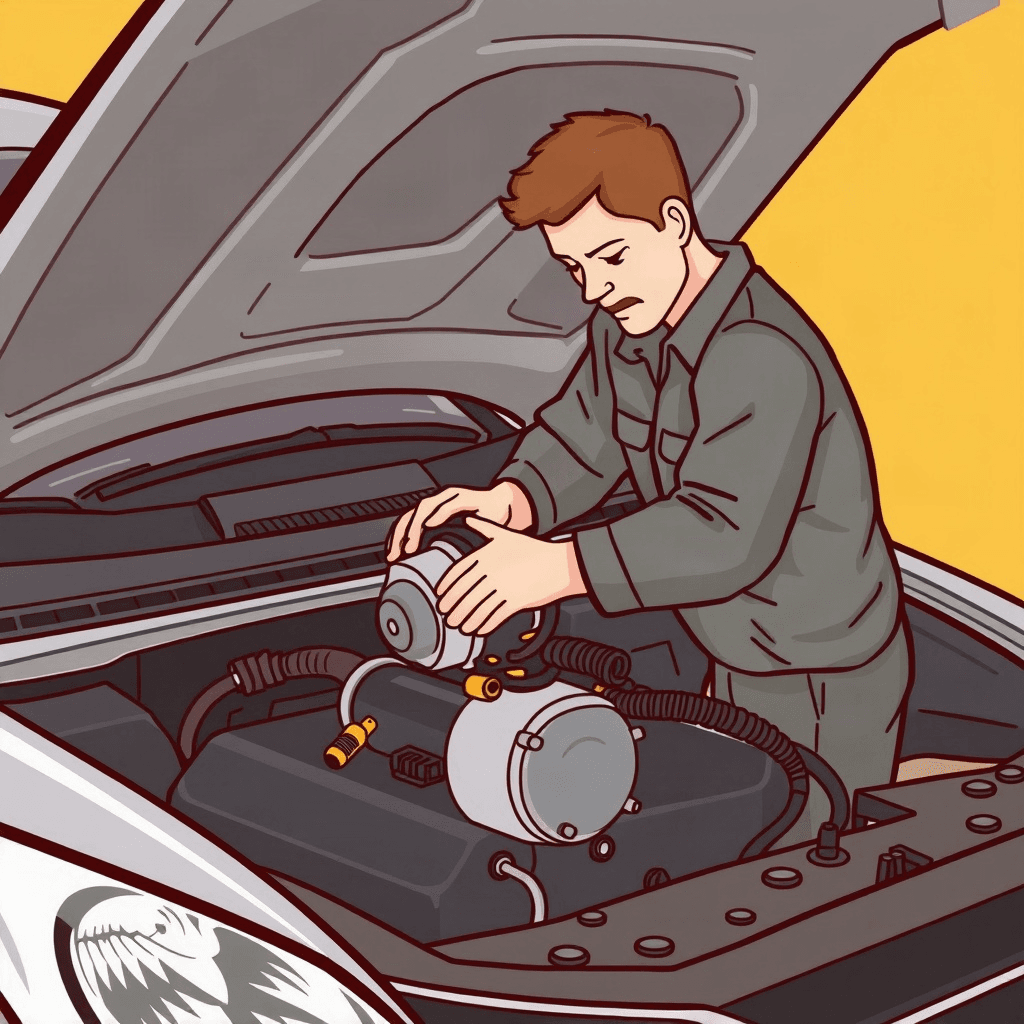
In automotive electrical systems, understanding the voltage drop in the starter or charging circuit is essential. A voltage drop can lead to inefficient performance and, sometimes, complete failure of the vehicle’s starting mechanism or charging process. In this analysis, we’ll explore how to identify these drops and their potential causes. By comprehensively analyzing each component, we can ensure that the circuit functions optimally and diagnose any issues with precision.
Understanding Voltage Drop and Its Significance
Voltage drop refers to the reduction in voltage as electricity moves through a circuit. This drop is due to resistance within the wires or connections. In a vehicle’s starting or charging circuit, a significant voltage drop can impede the flow of electricity, leading to suboptimal performance. Recognizing the importance of maintaining proper voltage levels ensures that the starter and alternator work efficiently, providing the necessary power to start the engine and charge the battery adequately. By understanding this concept, we can approach diagnosis with a clear objective.
Identifying Symptoms of Voltage Drop
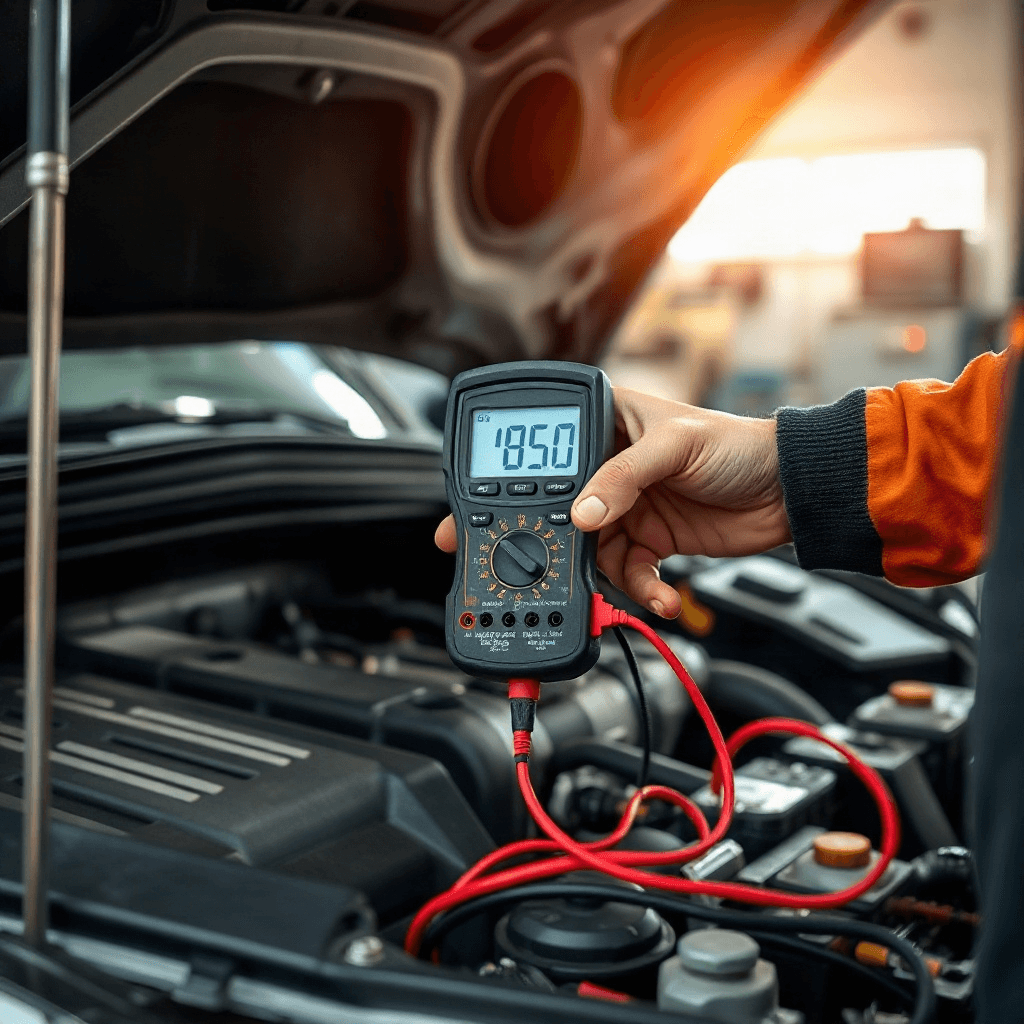
Detecting a voltage drop involves recognizing key symptoms. Common indicators include slow cranking of the engine, dimming headlights during startup, or a battery that seems to lose charge quickly. These symptoms suggest that the starter or alternator isn’t receiving sufficient voltage. To confirm a voltage drop, we can use a voltmeter to measure the voltage at various points in the circuit. By comparing these readings to the expected values, we can pinpoint where the drop occurs, allowing us to focus our diagnostic efforts more effectively.
Tools and Equipment for Diagnosing Voltage Drop
Having the right tools is crucial for diagnosing voltage drops accurately. A digital voltmeter is essential for measuring voltage at different points in the circuit. Additionally, using a load tester can help simulate the circuit’s operational conditions, highlighting any discrepancies under load. Wire brushes and terminal cleaners may also be necessary to ensure clean connections, as dirt and corrosion can contribute to increased resistance. By equipping ourselves with these tools, we can systematically analyze each component, ensuring that our findings are both accurate and actionable.
Analyzing the Starter Circuit
The starter circuit is a complex system that includes the battery, starter motor, solenoid, and associated wiring. To analyze this circuit, we begin by measuring the battery voltage at rest. Next, we test the voltage drop between the battery and the starter, ensuring that it remains within acceptable limits, typically less than 0.5 volts. If we detect a higher drop, it could indicate issues such as corroded connections or damaged wires. By methodically examining each element, we can isolate and address the root cause, restoring the system’s efficiency.
Evaluating the Charging Circuit
The charging circuit, primarily comprising the alternator and associated connections, ensures that the battery remains charged while the vehicle is running. To evaluate this circuit, we measure the voltage output of the alternator under load conditions. A voltage drop in this circuit could result in inadequate charging, leading to a depleted battery. Checking the condition of the alternator belts and connections is vital, as loose or worn-out components can contribute to resistance. By conducting a thorough evaluation, we can identify and rectify any issues, ensuring reliable performance.
Preventive Measures and Maintenance
Preventing voltage drops involves regular maintenance and inspection of the electrical system. Ensuring that all connections are clean and secure is paramount, as dirt and corrosion can significantly increase resistance. Regularly checking the condition of wires and replacing any that show signs of wear can prevent potential issues. Additionally, keeping the battery terminals free of corrosion and ensuring that the alternator belt is in good condition can contribute to a more efficient system. By adopting these preventive measures, we can minimize the risk of voltage drops, maintaining the vehicle’s reliability and performance.