Can a Blown Fuse Cause Lost Communication With a Control Module?
When it comes to vehicular electronics and their intricate systems, one of the most common yet perplexing issues that many vehicle owners encounter is the loss of communication with a control module. This problem often manifests in a variety of ways, and while the reasons behind it can be numerous, a blown fuse is frequently at the heart of the dilemma. Understanding the role of fuses in electronic systems can provide valuable insight into why communication loss occurs. In this article, we will delve into the intricacies of how a blown fuse can cause lost communication with a control module and explore the underlying mechanisms that lead to this failure.
Understanding the Role of Control Modules
Control modules are essential components in modern vehicles, acting as the brain that manages various systems ranging from engine performance to safety features. These modules are responsible for processing inputs from sensors, executing appropriate responses, and maintaining the efficient operation of the vehicle. They are interconnected through a network that allows them to communicate and share vital data. When this network is disrupted, it can lead to significant performance issues or even render certain systems inoperative. Thus, understanding the fundamental role of control modules is crucial for diagnosing communication issues and ensuring the reliability of the vehicle.
The Importance of Fuses in Electronic Systems
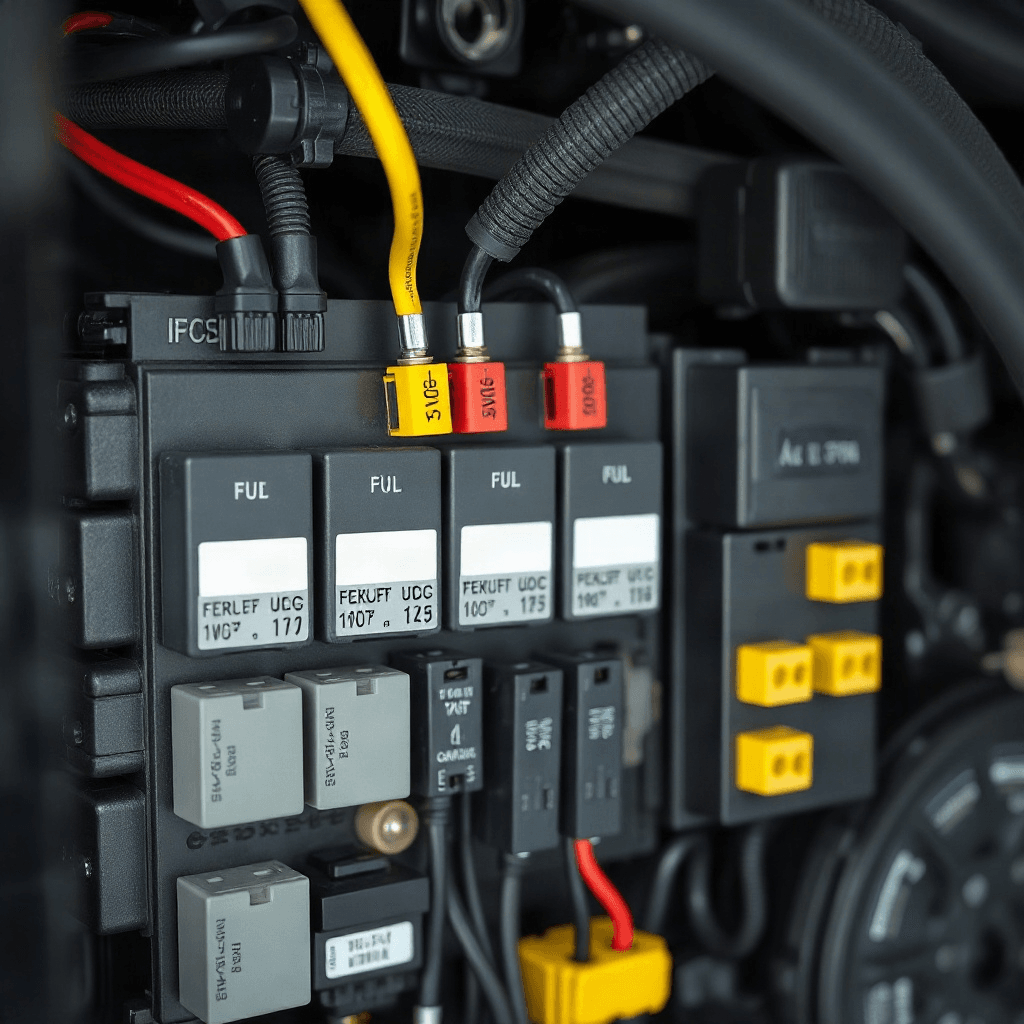
Fuses are critical safety devices in electronic systems, designed to protect against overloads and short circuits by breaking the circuit if excessive current flows through. They are strategically placed within a vehicle’s electrical network to safeguard sensitive components, including control modules, from damage. When a fuse blows, it interrupts the flow of electricity, effectively preventing the connected systems from receiving power. This interruption can lead to a complete loss of communication with the affected control module, as it relies on a consistent power supply to function properly. Therefore, fuses play a vital role in maintaining the integrity and safety of the vehicle’s electronic systems.
Common Causes of Blown Fuses
Several factors can lead to a blown fuse, each with the potential to disrupt communication with a control module. One of the most common causes is an electrical fault, such as a short circuit or an overcurrent condition, which results in a sudden surge of electricity. Additionally, faulty wiring or poor connections can create resistance that causes overheating and ultimately blows a fuse. Environmental factors, such as moisture or physical damage, can also compromise the integrity of the wiring, leading to similar outcomes. Identifying the root cause of a blown fuse is essential for resolving communication issues and preventing future occurrences.
Diagnosing Communication Loss in Vehicles
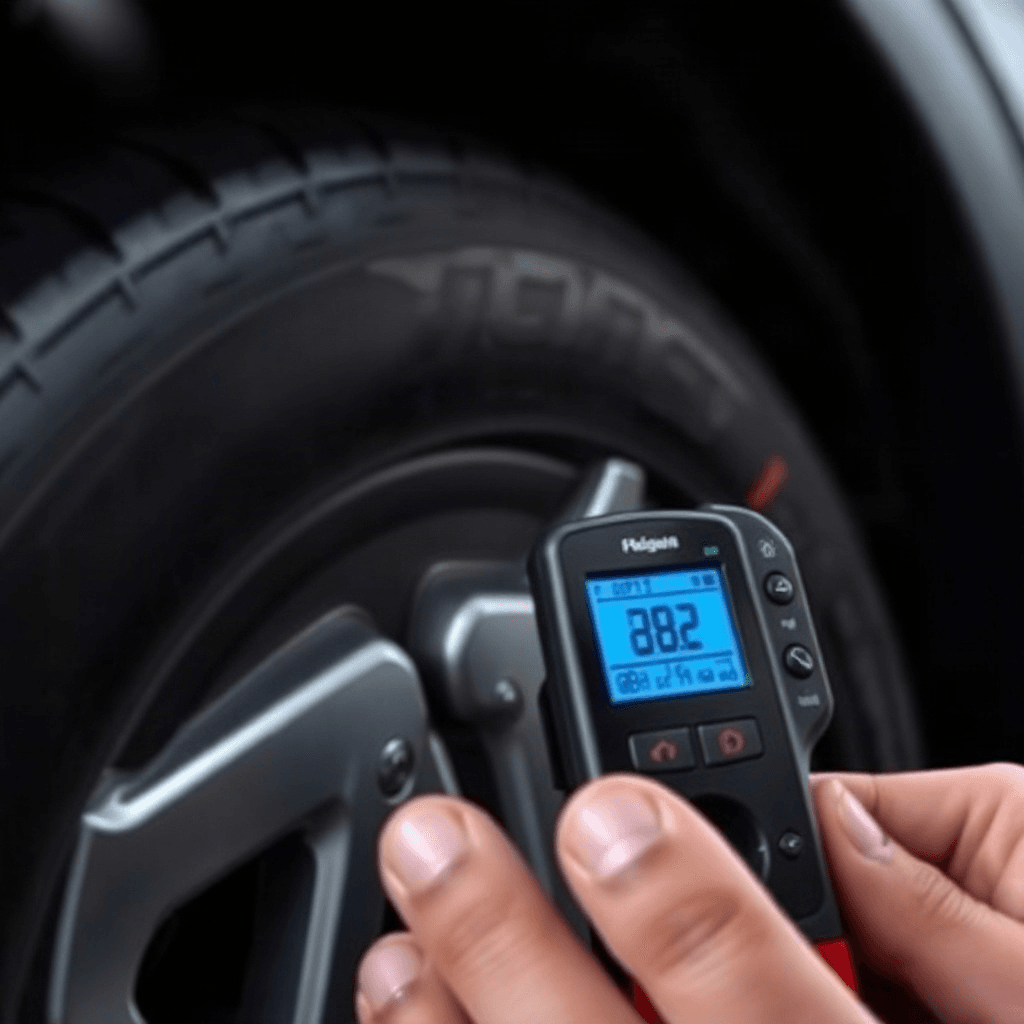
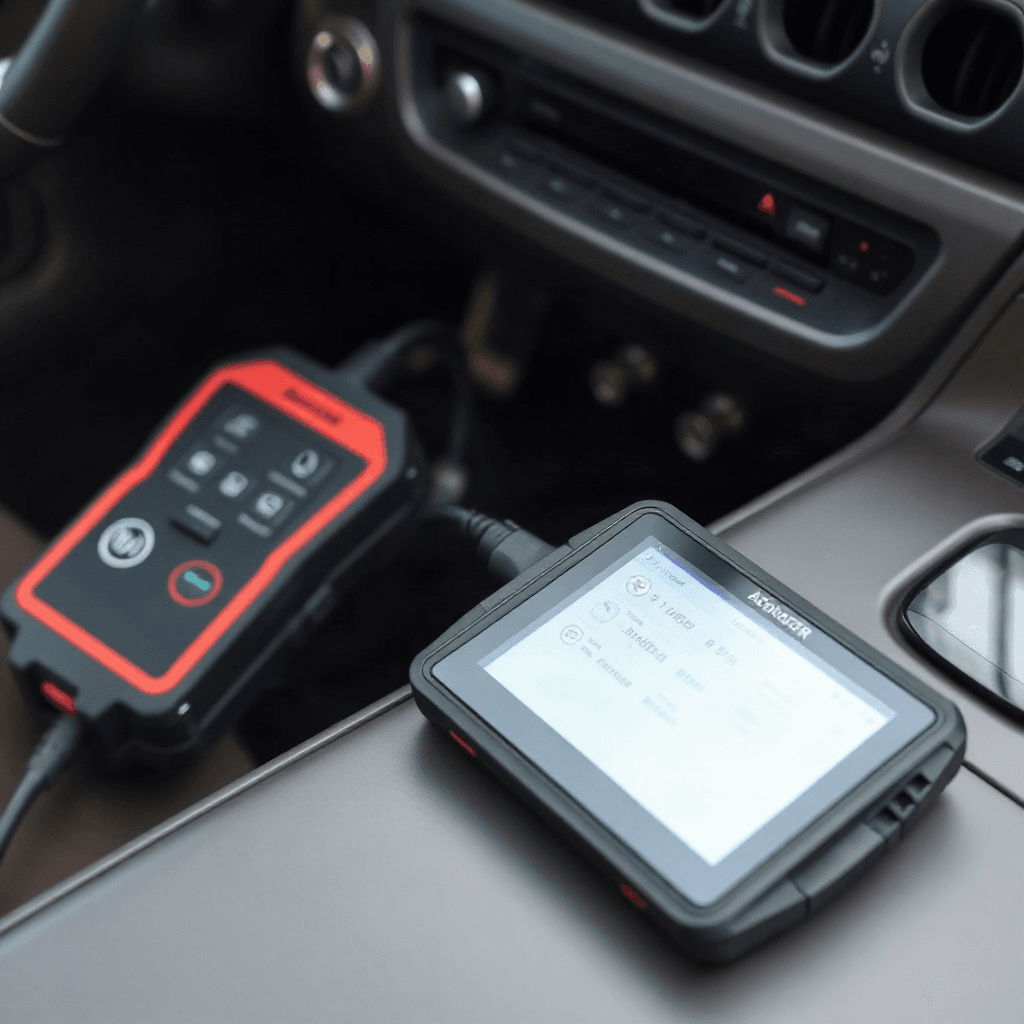
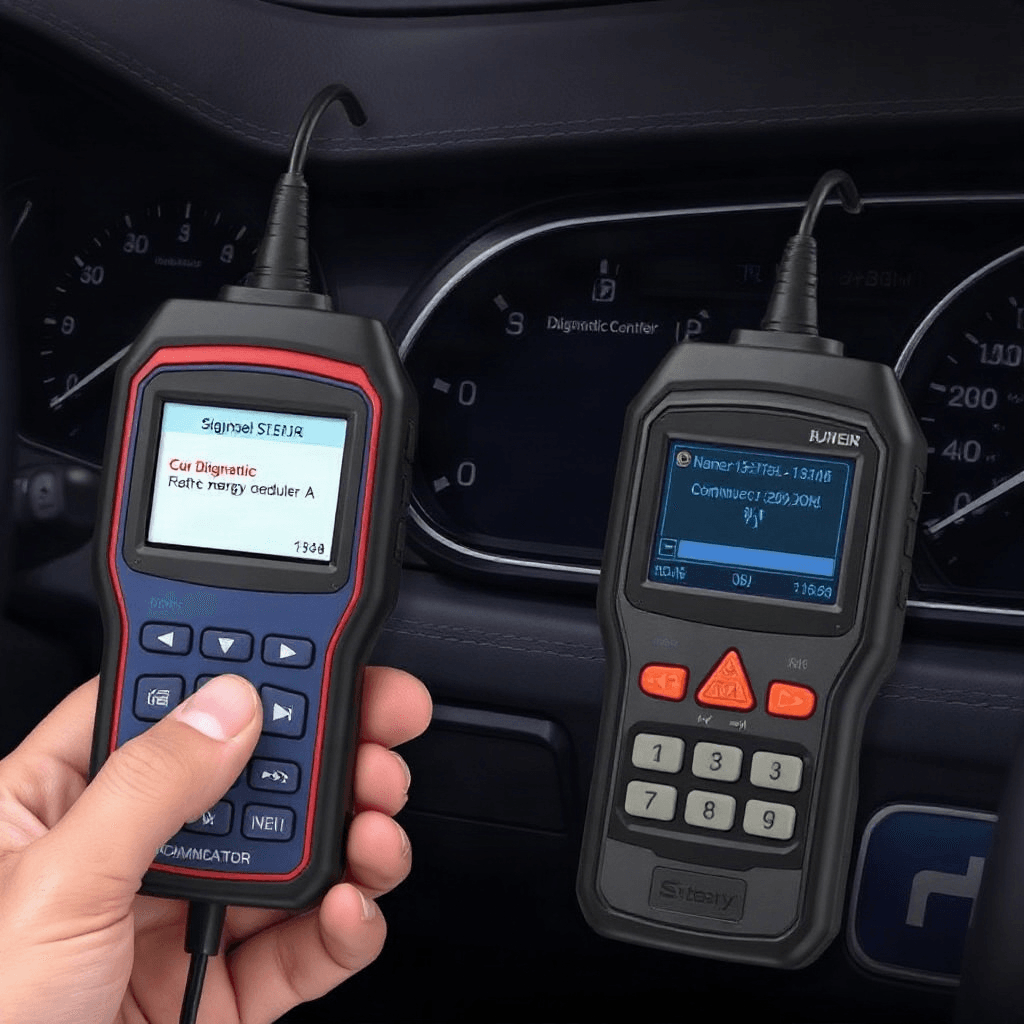
Diagnosing communication loss with a control module requires a systematic approach to identify the source of the problem. Technicians typically begin by inspecting the fuses to determine if any have blown, as this is often a straightforward indicator of an issue. Advanced diagnostic tools can be used to check for error codes that may pinpoint the specific module or network affected. These tools allow technicians to trace the electrical pathways and identify any breaks or malfunctions in the system. By methodically examining the vehicle’s electrical network, technicians can accurately diagnose the problem and implement effective solutions to restore communication.
Preventive Measures and Solutions
To prevent communication loss due to blown fuses, it is essential to implement regular maintenance and inspections of the vehicle’s electrical systems. Ensuring that all connections are secure and free from corrosion can help mitigate potential issues. Additionally, using high-quality fuses and components that meet the manufacturer’s specifications can enhance the reliability of the system. In the event of a blown fuse, it is crucial to replace it with one of the correct rating to avoid further damage. Addressing any underlying electrical faults or environmental factors can also reduce the likelihood of future communication disruptions.
The Impact of Communication Loss on Vehicle Performance
The loss of communication with a control module can have significant implications for vehicle performance, affecting everything from engine efficiency to safety features. When a module is unable to communicate with other systems, it may result in erratic behavior, warning lights, or even complete system failures. This can compromise the safety and reliability of the vehicle, making it essential to address communication issues promptly. By understanding the role of fuses and the potential for communication loss, vehicle owners and technicians can take proactive steps to maintain the integrity of the vehicle’s electronic systems and ensure optimal performance.