Hyundai P0141: Confirming a Downstream O2-Sensor Heater Fault
The automotive industry has witnessed significant advancements in diagnostic technology, allowing for more precise identification and rectification of vehicle issues. One of the common diagnostic trouble codes (DTC) encountered in Hyundai vehicles is the P0141 code. This code signifies a malfunction in the heater circuit of the downstream oxygen sensor. Understanding the implications of this code and its relation to vehicle performance is crucial for automotive professionals and enthusiasts alike. This article aims to delve into the intricacies of the P0141 code, exploring its causes, implications, and potential solutions, all while providing a comprehensive understanding of the Hyundai O2 sensor system.
Understanding the Role of Oxygen Sensors in Hyundai Vehicles
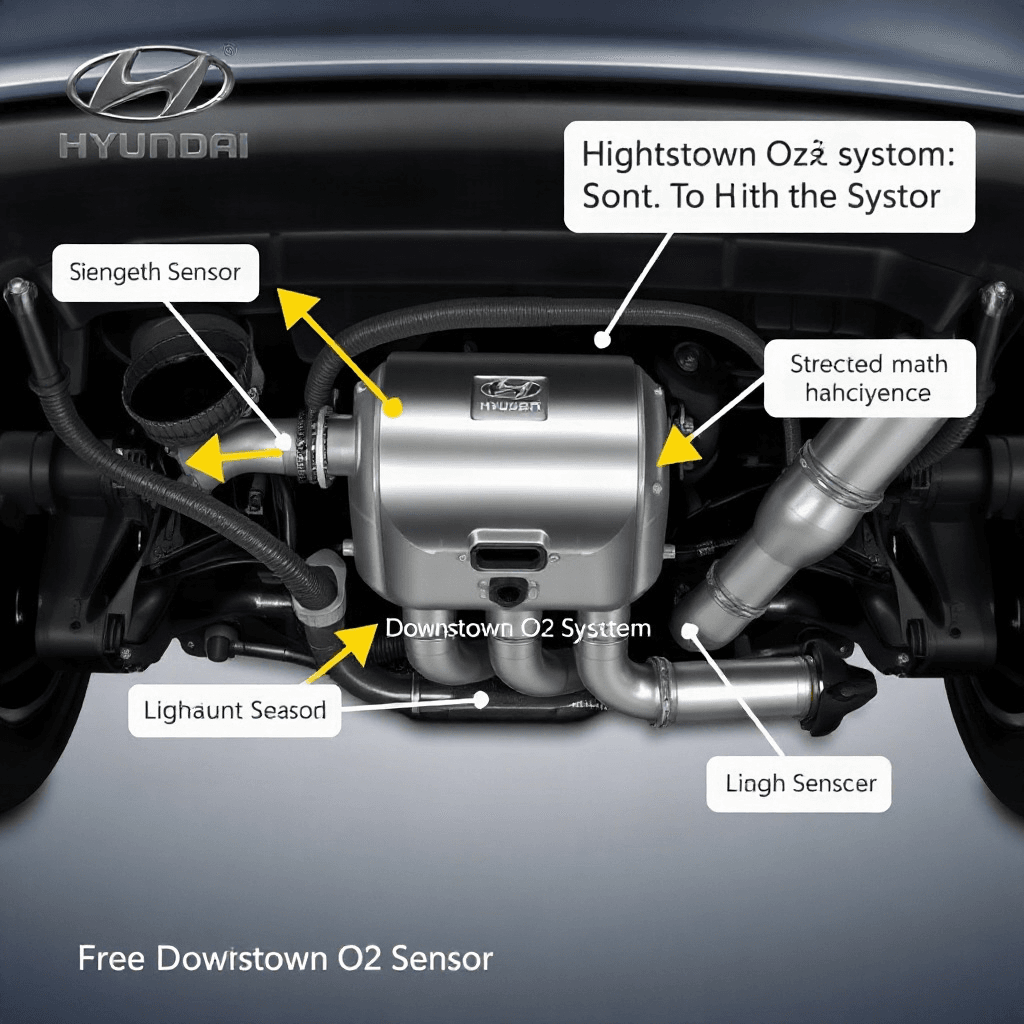
Oxygen sensors play a pivotal role in the efficient functioning of internal combustion engines by measuring the concentration of oxygen in the exhaust gases. In Hyundai vehicles, these sensors are instrumental in optimizing the air-fuel mixture, which is vital for achieving optimal engine performance and minimizing emissions. The downstream O2 sensor, located after the catalytic converter, primarily monitors the efficiency of the converter itself. It provides feedback to the engine control unit (ECU) to ensure the catalytic converter is functioning correctly. A malfunctioning sensor can lead to incorrect data being sent to the ECU, resulting in suboptimal engine performance and increased emissions.
The Significance of the P0141 Code
The P0141 code is a specific DTC that indicates a problem with the heater circuit of the downstream O2 sensor. This heater element is crucial for bringing the sensor to its operating temperature quickly, ensuring accurate readings from the moment the engine starts. A failure in this circuit means the sensor may not heat up properly, leading to delayed and potentially incorrect readings. This situation can result in various issues, including increased fuel consumption, higher emissions, and potential damage to the catalytic converter. Therefore, addressing a P0141 code promptly is essential to maintaining vehicle health and efficiency.
Common Causes of the P0141 Code
Diagnosing the root cause of a P0141 code involves a systematic approach, as several factors could contribute to its occurrence. Common causes include a blown fuse, damaged wiring, or a defective sensor. The heater circuit itself may suffer from open or shorted connections, or there might be an issue with the ECU failing to provide the necessary voltage to the circuit. Environmental factors, such as exposure to road debris and harsh weather conditions, can also contribute to the deterioration of the sensor and its components. Identifying the specific cause requires a thorough inspection of the vehicle’s electrical system and the sensor itself.
Diagnosing the P0141 Code in Hyundai Vehicles
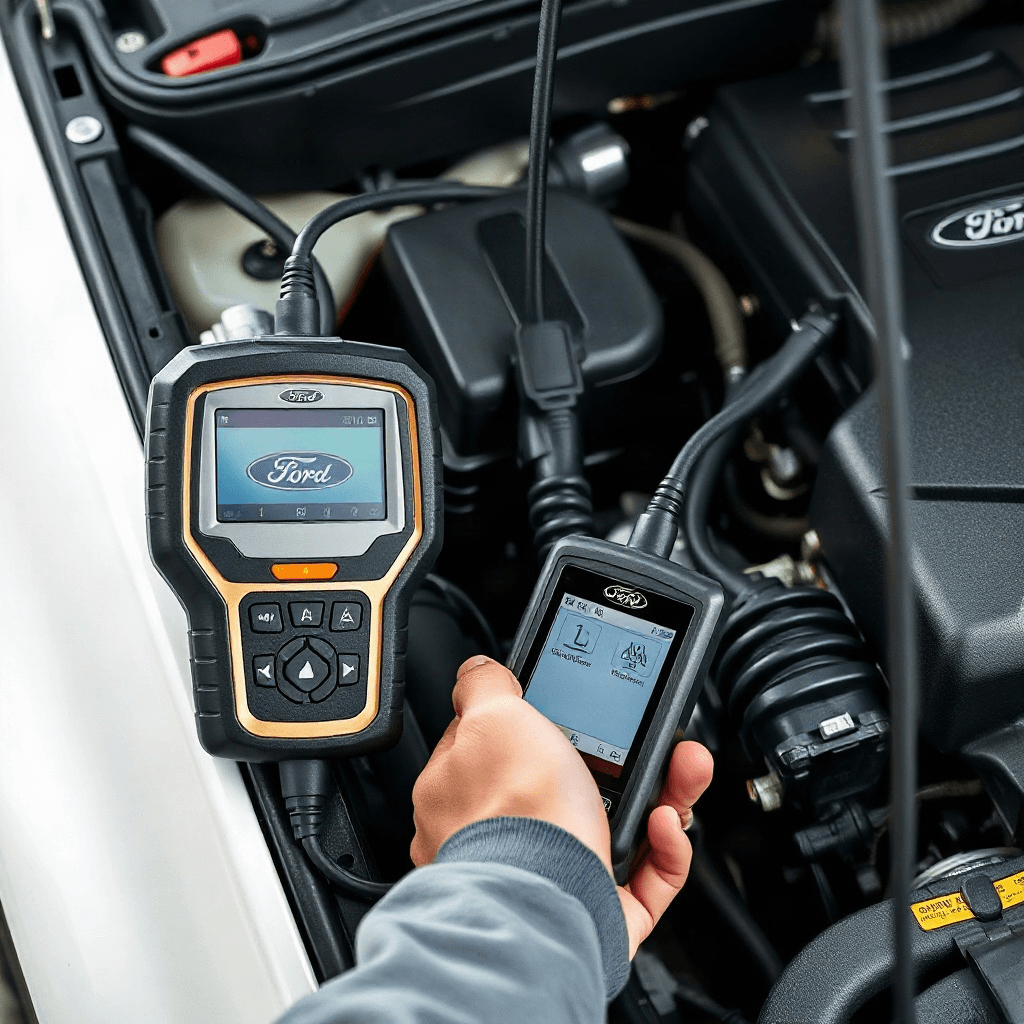
Proper diagnosis of the P0141 code necessitates the use of advanced diagnostic tools and equipment. Automotive technicians typically begin with an OBD-II scanner to confirm the presence of the code and any accompanying codes that might provide additional context. Visual inspections of the wiring and connectors for signs of damage or corrosion are essential steps. Technicians may also perform voltage tests on the sensor’s heater circuit to ensure it is receiving the necessary power. In some cases, bench testing the sensor outside of the vehicle can help determine if the sensor itself is faulty.
Addressing and Resolving the P0141 Code
Once the cause of the P0141 code has been identified, addressing it promptly is crucial to restoring vehicle performance and efficiency. If the issue lies in the sensor itself, replacing it with a high-quality OEM part is recommended. For wiring or fuse issues, repairing or replacing the damaged components should resolve the problem. In cases where the ECU is at fault, recalibration or replacement may be necessary. After repairs, clearing the code and performing a test drive will ensure that the issue has been adequately resolved and that no further codes are triggered.
Preventative Measures and Long-term Maintenance
To prevent the recurrence of the P0141 code and ensure the longevity of the O2 sensors, regular maintenance is essential. This includes periodic inspections of the vehicle’s electrical systems and ensuring that all components are free from damage and corrosion. Using high-quality fuel and adhering to the manufacturer’s recommended service intervals can also help maintain the health of the exhaust and sensor systems. By implementing these preventative measures, Hyundai owners can reduce the risk of encountering O2 sensor-related issues in the future, ensuring optimal vehicle performance and compliance with emission standards.