Ford P0022: Bank 2 Cam Timing Tests for an Over-Retarded Condition
The intricate workings of an automobile engine often involve components that must operate in perfect harmony to ensure optimal performance. Among these components, the camshaft plays a crucial role in regulating the timing of the opening and closing of the engine’s valves. However, disruptions in this timing can lead to diagnostic trouble codes such as the P0022, which signifies an over-retarded condition in Bank 2 of the camshaft timing. This article delves deep into the technical aspects of the P0022 code, exploring its causes, implications, and potential solutions.
Understanding the Camshaft Timing Mechanism
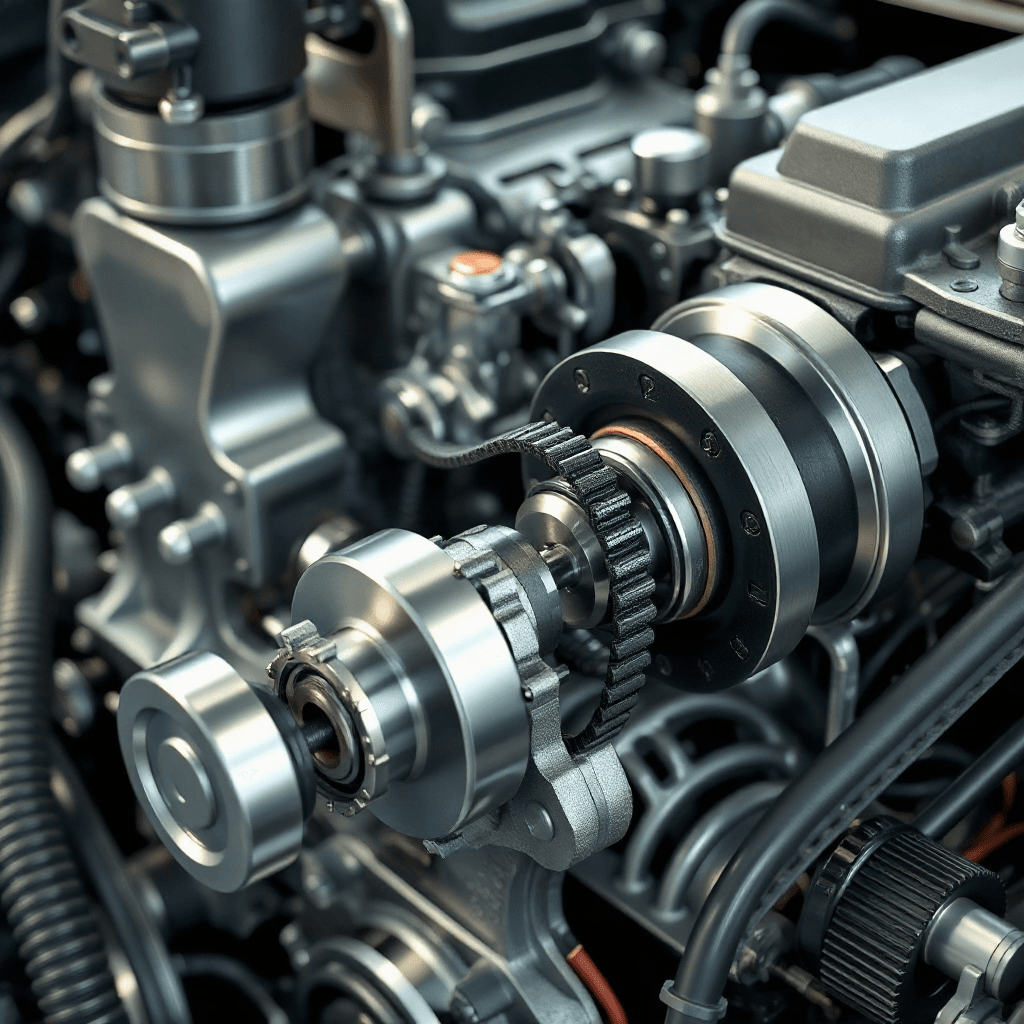
Camshaft timing is a critical aspect of engine operation, as it directly influences the intake and exhaust cycles of the engine. The camshaft is driven by the crankshaft via a timing belt or chain, and its primary function is to open and close the valves at precise intervals. Any deviation from this timing can result in decreased engine performance, increased emissions, and potential engine damage. The P0022 code specifically indicates that the camshaft timing for Bank 2 is more retarded than the ECU expects, suggesting that the camshaft is not advancing as it should. Understanding the fundamentals of camshaft operation is essential for diagnosing and addressing issues related to this fault code.
Causes of the P0022 Code
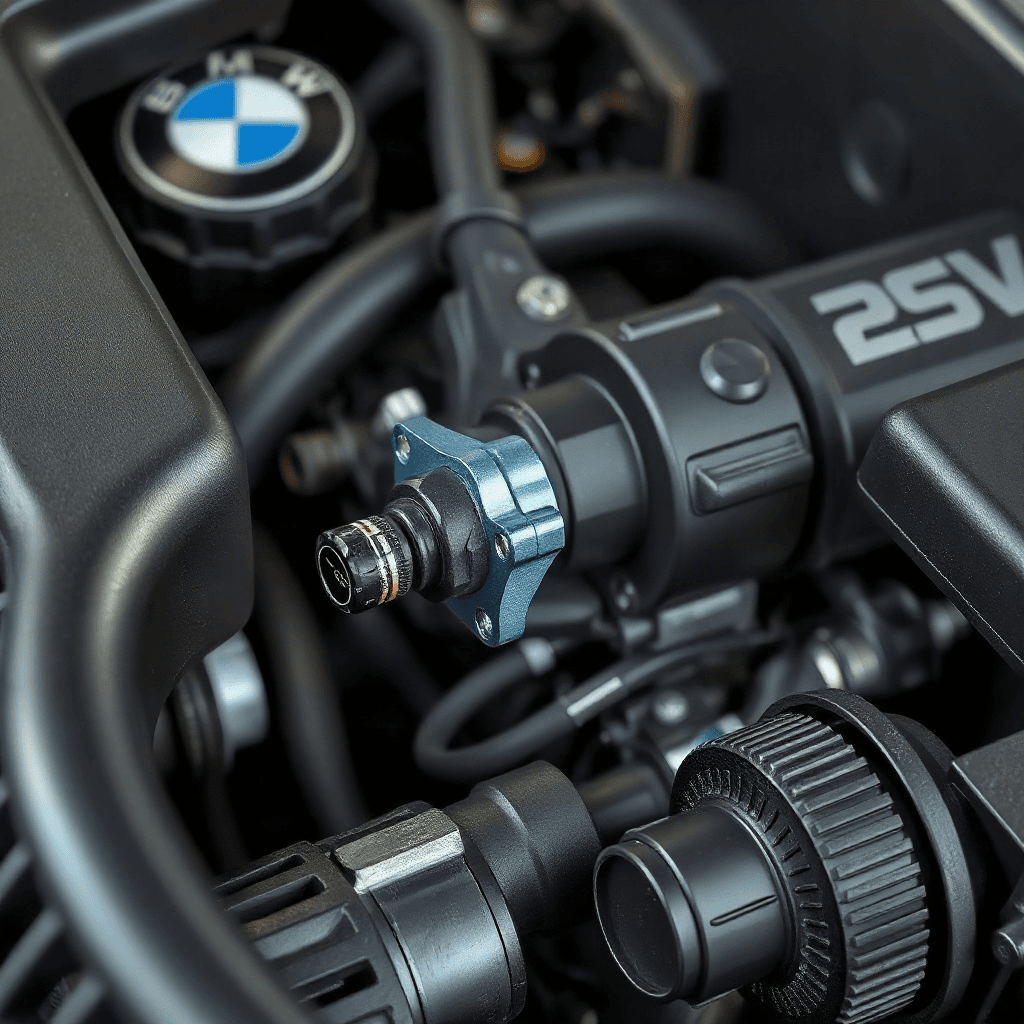
There are several potential causes for the P0022 code, each requiring a thorough investigation to pinpoint the exact issue. One common cause is a malfunctioning camshaft variable timing system, which may arise from a faulty camshaft actuator or solenoid. Additionally, issues with the oil flow to the camshaft phasers can impede their ability to adjust timing, often due to low oil levels or dirty oil. Mechanical problems like a stretched timing chain or worn timing belt can also lead to timing discrepancies. The presence of these issues underscores the necessity of regular engine maintenance to prevent such faults from occurring.
Diagnosing the P0022 Code
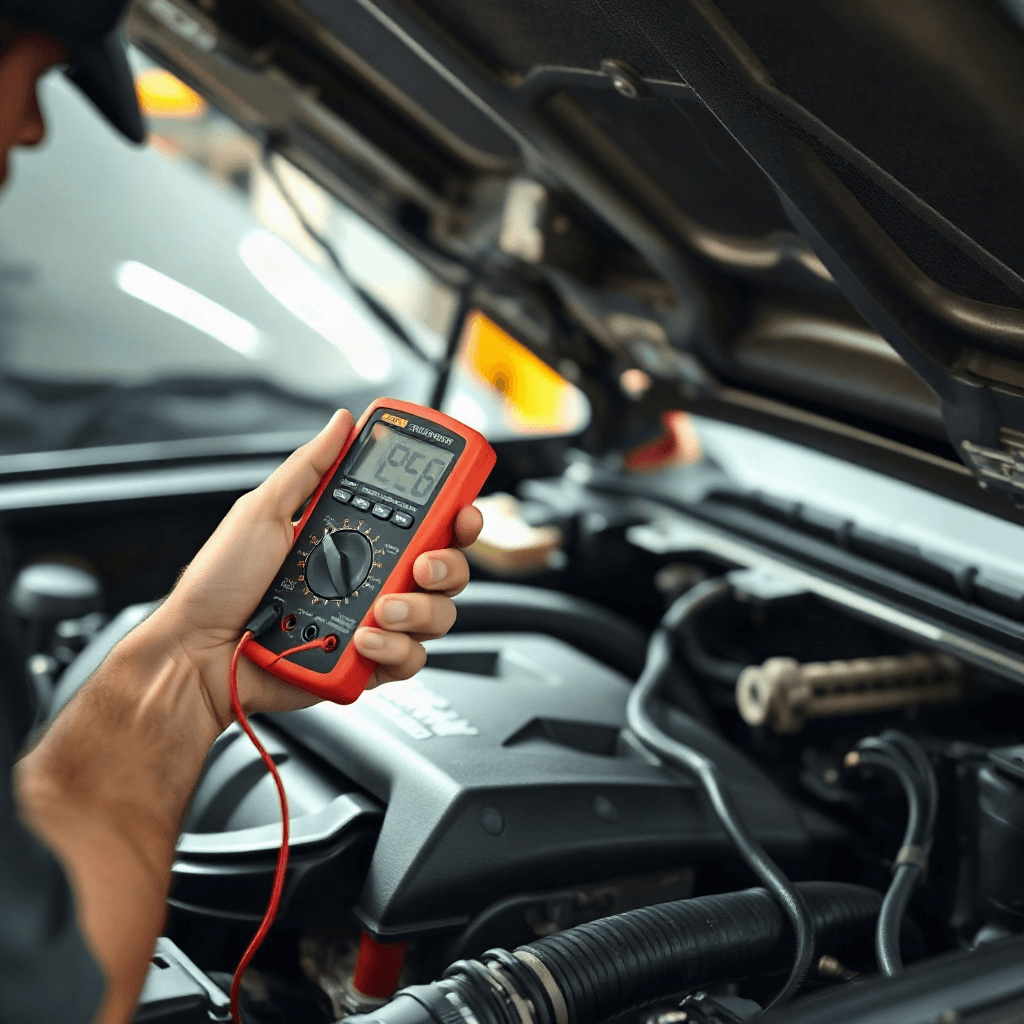
Diagnosing the P0022 code requires a methodical approach to determine the root cause of the camshaft timing discrepancy. Technicians typically begin with a visual inspection of the engine components, checking for obvious signs of wear or damage. Using an OBD-II scanner to read the trouble codes is a crucial step, as it helps narrow down the potential issues. Furthermore, inspecting the oil condition and level is vital, as poor lubrication can adversely affect the timing mechanism. Advanced diagnostic tools, such as an oscilloscope, may be employed to observe the camshaft position sensor’s signal and verify its alignment with the crankshaft position.
Implications of an Over-Retarded Condition
An over-retarded camshaft timing condition can have significant implications for engine performance and longevity. From a performance standpoint, it can lead to reduced power output and decreased fuel efficiency. The engine may also experience rough idling and increased emissions, as the improper valve timing affects the combustion process. In severe cases, prolonged operation with incorrect timing can lead to physical damage within the engine, such as bent valves or damaged pistons. Understanding these implications emphasizes the importance of timely diagnosis and resolution of the P0022 code.
Solutions and Preventive Measures
Addressing the P0022 code involves rectifying the underlying cause of the camshaft timing issue. This may entail replacing faulty components such as the camshaft actuator, solenoid, or timing chain. Ensuring that the engine oil is clean and at the proper level is a simple yet effective preventive measure. Additionally, adhering to the manufacturer’s recommended maintenance schedule can help prevent future occurrences of timing-related problems. For vehicles equipped with variable valve timing systems, regular inspection and maintenance of these components are crucial for maintaining optimal engine performance.
Future Trends in Camshaft Technology
As automotive technology continues to evolve, advancements in camshaft design and variable timing systems are anticipated to improve engine efficiency and reliability. Innovations such as electronically controlled camshaft phasers and more precise sensors are expected to enhance the accuracy of timing adjustments. These advancements will likely reduce the incidence of timing-related diagnostic trouble codes, including the P0022. Furthermore, the integration of artificial intelligence in engine management systems may offer predictive maintenance capabilities, allowing for proactive identification and resolution of potential faults before they manifest as performance issues.