P0234 Code: Turbocharger Overboost Condition
The P0234 code is a diagnostic trouble code (DTC) that signals a turbocharger overboost condition in a vehicle’s engine. This occurs when the system detects higher-than-normal boost levels from the turbocharger, which can lead to various engine performance issues if not addressed promptly. Understanding the implications of this code and knowing how to resolve it are crucial for maintaining engine health and efficiency. They must first comprehend the underlying causes of this issue, which can range from simple sensor malfunctions to more complex mechanical failures. By following a systematic approach to diagnosing and repairing the P0234 code, they can ensure their vehicle remains in optimal working condition.
Understanding the Turbochargers Role
The turbocharger is a critical component in modern engines, designed to increase the engine’s efficiency and power output by forcing extra air into the combustion chamber. This increased air allows for more fuel to be burned, thereby generating more power. However, this system must operate within specific parameters to avoid overboost conditions that can lead to engine damage. When they encounter a P0234 code, it’s an indication that the turbocharger is producing more boost pressure than the engine’s design allows. This can be caused by several factors, including a malfunctioning wastegate, a faulty boost pressure sensor, or issues with the engine control module (ECM).
Identifying the Symptoms of Overboost
Recognizing the symptoms of a turbocharger overboost condition is essential for timely diagnosis and repair. Common symptoms include a noticeable decrease in engine performance, such as reduced acceleration and power, or in some cases, the engine may go into a limp mode to prevent further damage. They might also observe excessive exhaust smoke or unusual noises from the engine bay, which could indicate that the turbocharger is operating outside its intended range. Furthermore, the check engine light will likely illuminate, signaling the need for a professional diagnostic evaluation to pinpoint the exact cause of the overboost condition.
Diagnosing the P0234 Code
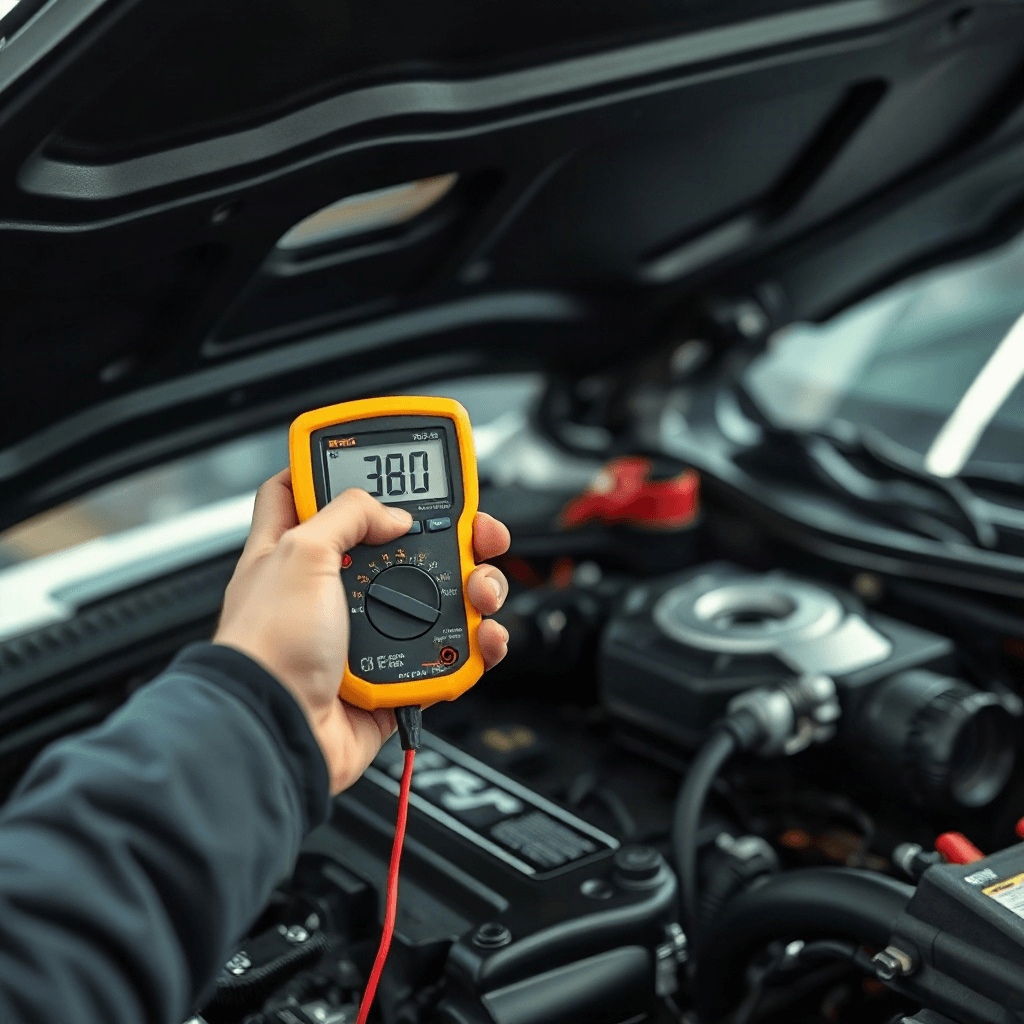
Diagnosing the P0234 code requires a thorough understanding of the vehicle’s turbocharging system and the use of appropriate diagnostic tools. They should begin by using an OBD-II scanner to confirm the presence of the P0234 code and check for any other related codes that might provide additional insights into the problem. It’s important to inspect the turbocharger’s wastegate, which regulates the boost pressure, to ensure it’s functioning correctly. Additionally, the boost pressure sensor should be tested to verify its accuracy, as a faulty sensor can send incorrect signals to the ECM, leading to an overboost condition.
Common Causes and Solutions
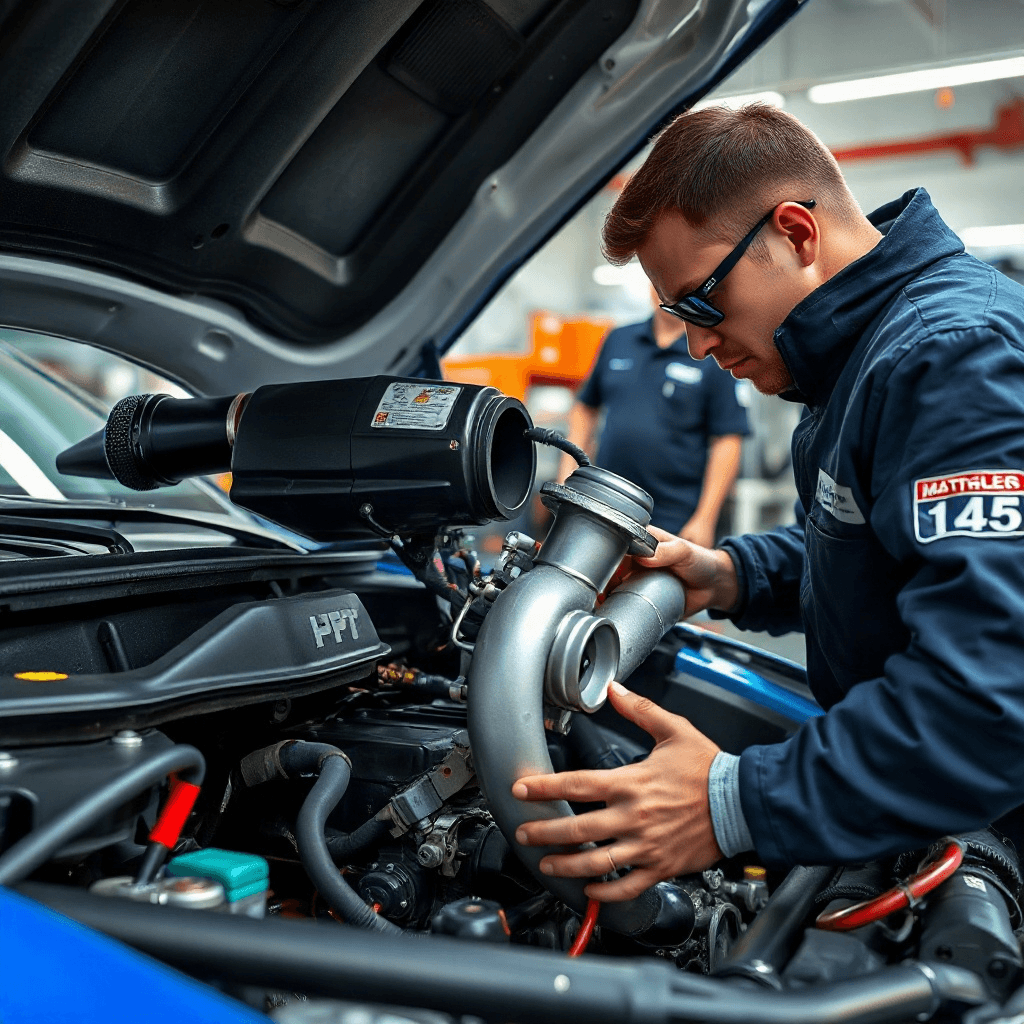
After diagnosing the issue, they need to address the root cause to resolve the P0234 code effectively. Common causes include a stuck or malfunctioning wastegate, a defective boost pressure sensor, leaks in the intake system, or issues within the ECM itself. Solutions may involve cleaning or replacing the wastegate, repairing or replacing damaged sensors, checking for leaks and sealing them, or updating the ECM software. It’s important to follow the manufacturer’s guidelines and use quality replacement parts to ensure a long-lasting repair.
Preventing Future Overboost Conditions
Preventative maintenance plays a key role in avoiding future overboost conditions. Regularly scheduled maintenance, including timely oil changes, air filter replacements, and inspections of the turbocharging system, can help prevent issues from arising. They should also ensure that all system components are in good working condition and that any modifications to the engine’s performance are carefully managed to prevent excessive stress on the turbocharger. By maintaining a regular maintenance routine, they can prolong the life of the turbocharger and maintain optimal engine performance.
When to Seek Professional Help
While some vehicle owners may feel comfortable addressing minor issues themselves, there are times when professional assistance is necessary. If they lack the tools or experience to accurately diagnose and repair the P0234 code, it is advisable to seek help from a qualified automotive technician. A professional will have the expertise and equipment needed to conduct a thorough inspection and implement the appropriate repairs. Moreover, certain repairs may require specialized skills and knowledge that only a certified technician can provide, ensuring the vehicle is safely returned to its optimal operating condition.