Reduced Power Mode: What It Means and What to Check Safely
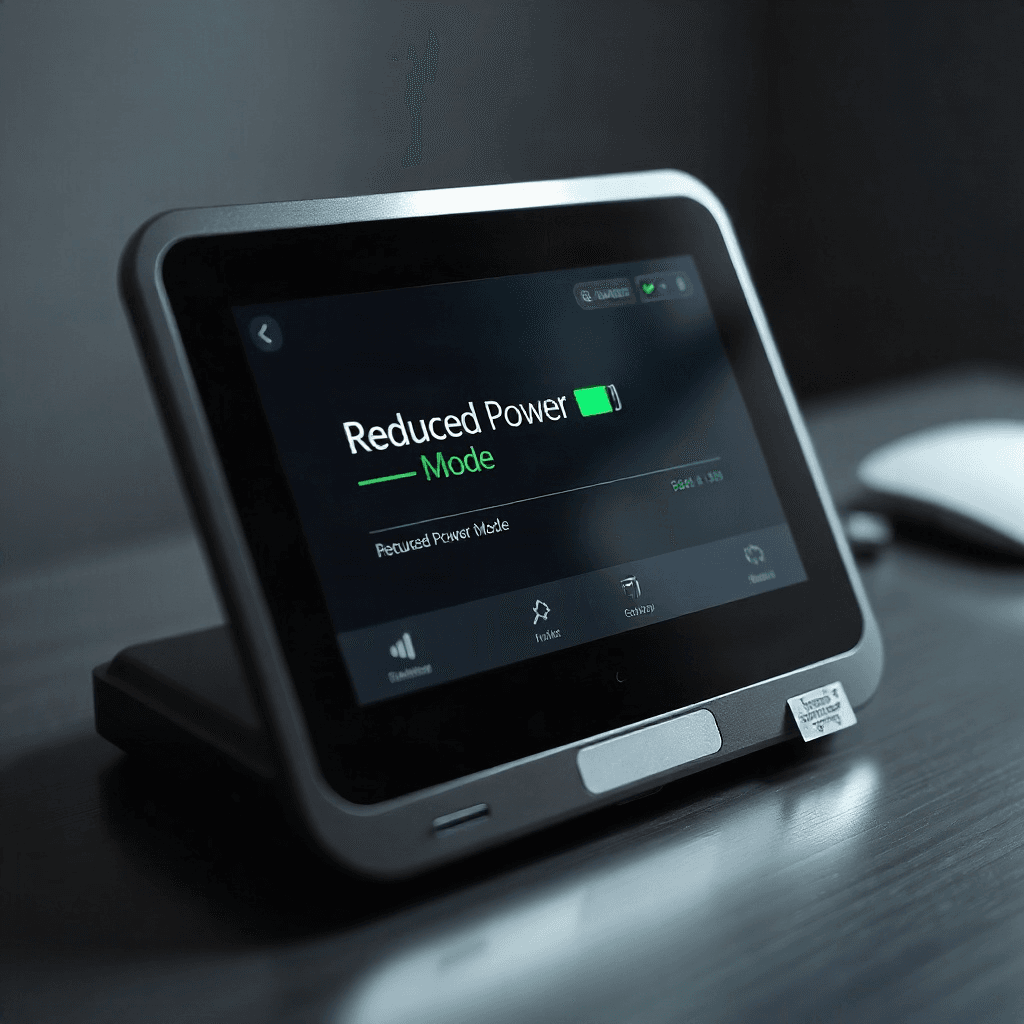
In an era where energy efficiency and device optimization have become paramount, understanding the concept of “Reduced Power Mode” is crucial for both consumers and technicians alike. This feature, present in a variety of electronic devices, aims to minimize energy consumption while maintaining essential functionalities. As technology continues to evolve, so does the need for users to comprehend how such modes impact device performance and longevity. This article explores the intricacies of Reduced Power Mode, offering insights into what it means, its applications, and practical considerations for those wishing to leverage its benefits safely.
Understanding Reduced Power Mode
Reduced Power Mode, a common feature in many electronic devices, is designed to conserve energy by limiting certain functionalities. This mode is often activated when a device is running on battery power, aiming to extend the time between charges. It achieves this by reducing the processing power, dimming the display, or limiting background processes. Understanding the specific changes that occur when this mode is activated is crucial; for instance, while it may slightly degrade performance, it ensures the device remains operational for longer periods. This balance between functionality and energy efficiency is a key component in modern device management, especially as consumers seek to maximize battery life without compromising on essential features.
The Benefits of Using Reduced Power Mode
Reduced Power Mode offers numerous advantages, particularly in terms of energy conservation and device management. One of the primary benefits is the extended battery life, which is crucial for users who rely on their devices throughout the day without access to charging facilities. Additionally, this mode can contribute to the longevity of a device by reducing thermal stress and limiting wear on components. For businesses, implementing devices with Reduced Power Mode can result in significant cost savings by decreasing energy consumption across large fleets of devices. Furthermore, in scenarios where environmental sustainability is a concern, utilizing Reduced Power Mode aligns with green initiatives by lowering the overall carbon footprint.
Considerations for Activation
While Reduced Power Mode can be incredibly beneficial, it’s important to understand the trade-offs involved. Activating this mode typically results in decreased device performance, as certain features are limited to save energy. Users may notice slower processing speeds, reduced graphical performance, and limited app functionality. Hence, it is essential to evaluate the necessity of this mode based on current usage requirements. For instance, if intensive tasks are necessary, it might be prudent to delay activating Reduced Power Mode until they are completed. Moreover, understanding how to manually adjust settings to customize the mode according to specific needs can enhance the user experience while conserving energy efficiently.
Impact on Device Performance
When a device enters Reduced Power Mode, several performance metrics are affected. The most noticeable change is often in processing speed, as the device throttles its CPU to reduce energy expenditure. This can impact the smoothness of multitasking and the speed at which applications operate. Additionally, graphical outputs may be compromised, with lower frame rates or reduced resolution becoming apparent. While the primary objective is to conserve power, understanding these limitations helps in planning tasks and expectations. For users relying heavily on graphics-intensive applications or high-speed processing, the implications of Reduced Power Mode must be weighed against the benefits of prolonged battery life.
Safely Managing Reduced Power Mode
Effective management of Reduced Power Mode involves more than simply toggling a switch. Users should familiarize themselves with the settings menu to adjust parameters that control energy-saving features. For instance, adjusting screen brightness, disabling unnecessary background apps, and managing connectivity options can enhance the effectiveness of Reduced Power Mode. Furthermore, regular updates to device firmware and operating systems can optimize these settings, ensuring that power-saving features are as efficient as possible. It is also advisable to monitor device usage and battery health through built-in tools, which can provide insights into energy consumption patterns and suggest optimizations tailored to individual needs.
Future Trends in Power Management
As technology advances, the capabilities of Reduced Power Mode are expected to evolve, offering even more refined control over energy consumption. Future trends may include AI-driven power management systems that adapt in real-time to user behavior and environmental conditions. These systems could automatically balance performance and efficiency based on predictive analytics, further enhancing user experience. Additionally, with growing emphasis on sustainability, we can anticipate innovations in hardware that complement software-driven power management strategies. For consumers and businesses alike, staying informed about these developments will be key to leveraging technology that aligns with both economic and environmental goals.