Turn Signals Not Working on One Side: Causes and Fixes
Turn signals are a vital component of vehicle safety systems, acting as a communication tool between drivers. When they fail to operate on one side, it can lead to confusion and potentially hazardous situations on the road. Understanding the underlying causes of such a malfunction is crucial for vehicle maintenance and safety. This article delves into the various reasons that might cause turn signals to stop functioning on one side and explores practical solutions to address these issues. From electrical faults to bulb failures, we will examine each potential cause and offer expert advice on troubleshooting and fixing the problem to ensure seamless vehicle operation.
Electrical System Malfunctions
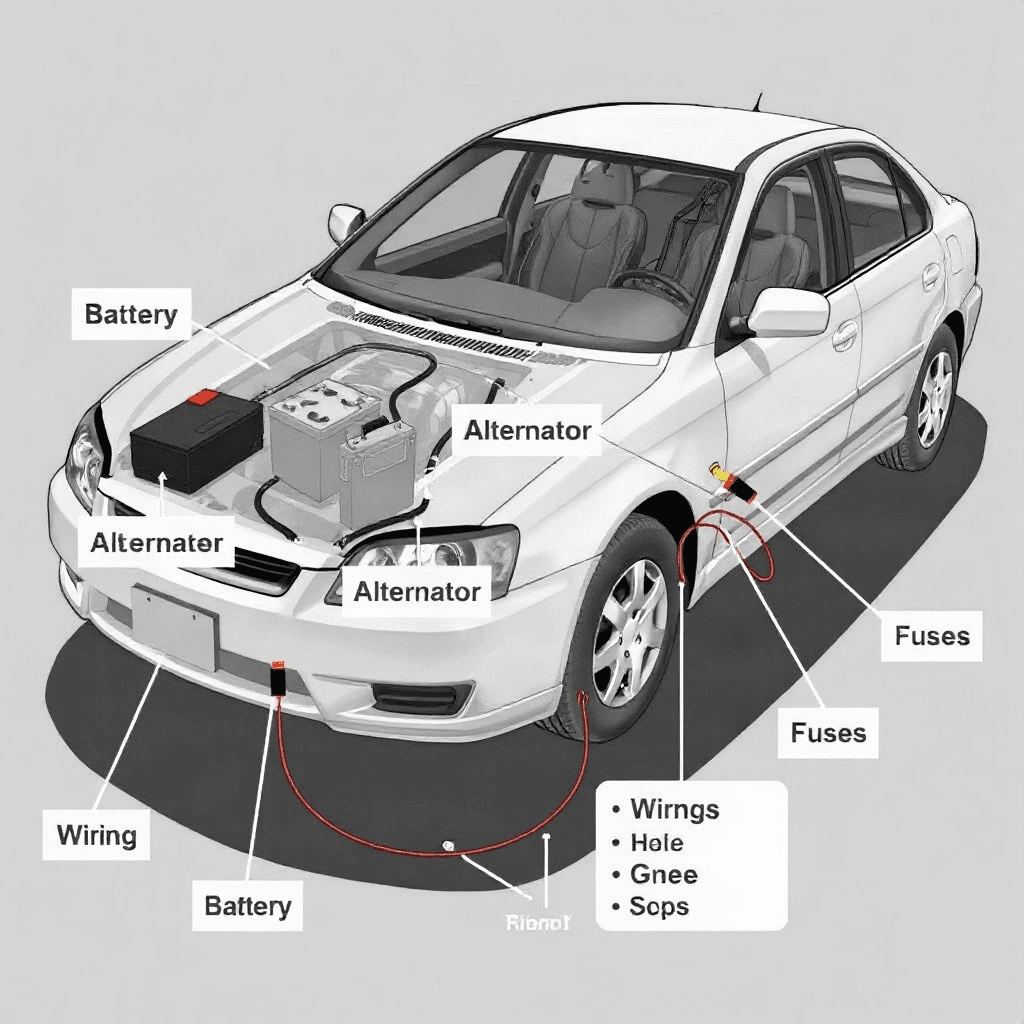
One of the primary reasons for turn signals not working on one side is an electrical system malfunction. The vehicle’s electrical system is complex, interconnected, and prone to various issues that can affect the turn signals. Common electrical problems include faulty connections, damaged wires, or blown fuses. These issues can interrupt the power supply to the turn signals, causing them to malfunction. A thorough inspection of the vehicle’s wiring and fuse box is necessary to identify the root cause of the problem. It’s crucial to use a multimeter to test the continuity of the wires and ensure that all connections are secure and free from corrosion. In cases where the fuse is blown, replacing it with one of the same amperage is essential to prevent further damage.
Bulb Failures and Replacement
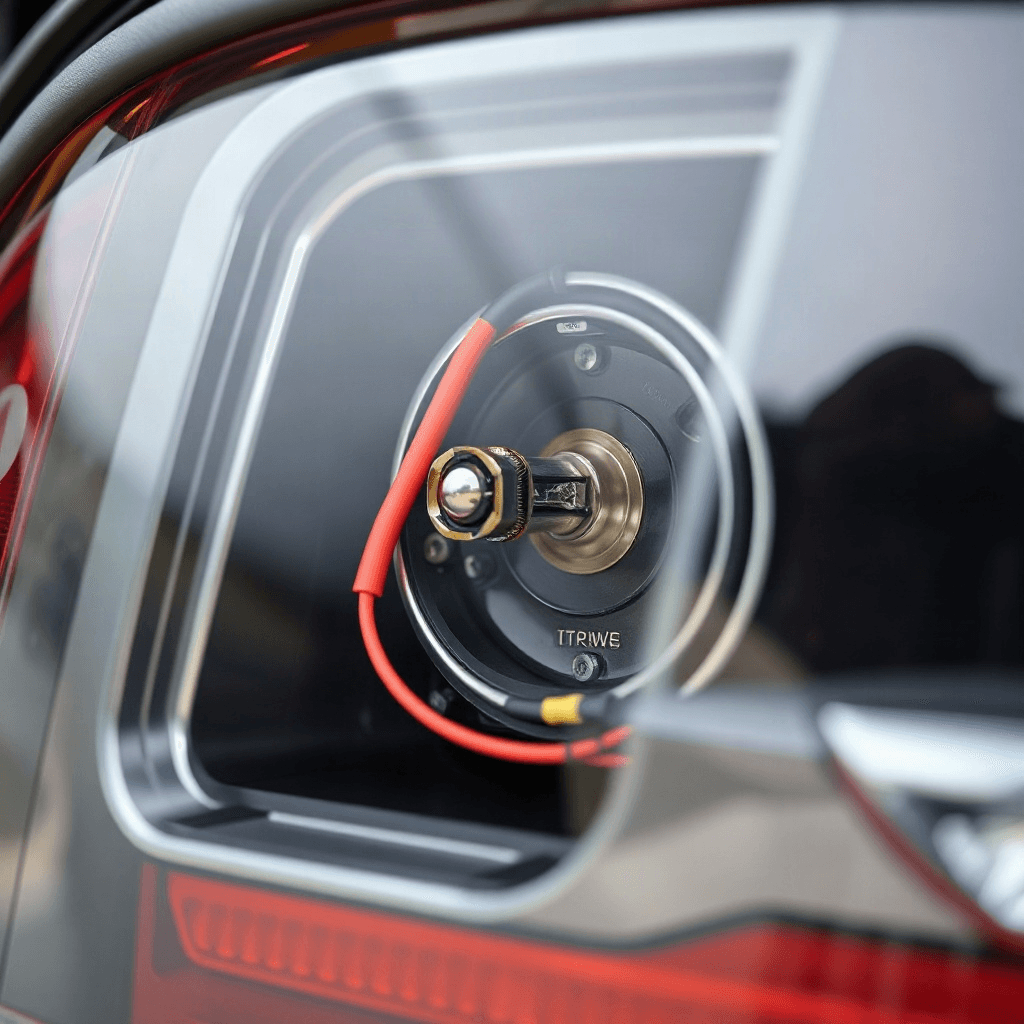
Another frequent cause of turn signals not working on one side is bulb failure. Over time, the bulbs used in turn signals can burn out or become damaged, leading to a loss of functionality. This is often accompanied by a faster-than-normal blinking rate of the remaining operational signals, indicating a problem. To resolve this issue, it is necessary to replace the burnt-out bulb with a new one of the same type and wattage. When replacing the bulb, it is important to handle it carefully to avoid damaging the new bulb or its housing. Additionally, regular checks and maintenance of the bulbs can prevent unexpected failures and ensure that the turn signals remain operational.
Issues with the Turn Signal Switch
The turn signal switch is a critical component in the operation of a vehicle’s turn signals. If there is a malfunction within this switch, it can result in the signals not working on one side. Problems with the turn signal switch can be caused by internal wear, corrosion, or mechanical failure. Diagnosing a faulty switch requires a detailed examination of the switch assembly and its connections. In some cases, cleaning the contacts or replacing the switch altogether might be necessary. It’s important to follow the vehicle’s manual and safety guidelines when performing such repairs to ensure proper installation and functionality.
Relay and Flasher Unit Problems
Relays and flasher units play a vital role in the operation of turn signals by controlling the blinking rate. A malfunction in these components can lead to turn signals not working on one side. Relays can wear out over time or become faulty due to electrical issues, causing intermittent or non-functional signals. Testing the relay and flasher unit with a multimeter can help determine if they are functioning correctly. If a problem is identified, replacing the faulty relay or flasher unit with a compatible part can restore the turn signal function. It’s advisable to consult the vehicle’s repair manual for guidance on locating and replacing these components.
Ground Connection and Corrosion Issues
The ground connection is crucial for the proper functioning of the vehicle’s electrical system, including the turn signals. Poor ground connections or corrosion at the ground points can lead to signals not working on one side. This issue is often characterized by dim or erratic signal operation. Identifying and cleaning the ground points can resolve such problems. It is essential to ensure that the connections are tight and free from rust or corrosion. Applying dielectric grease to the connections can help protect against future corrosion and maintain reliable electrical contact.
Professional Assistance and Maintenance
While many of the issues causing turn signal malfunctions can be diagnosed and repaired by vehicle owners, some problems may require professional assistance. Complex electrical issues or persistent malfunctions might necessitate the expertise of a qualified automotive technician. Regular vehicle maintenance, including electrical system checks and bulb replacements, can prevent turn signal failures and enhance vehicle safety. Ensuring that all components are in good working order and addressing issues promptly can save time and prevent costly repairs in the future. For further guidance on vehicle maintenance, consider exploring resources on [automotive safety and repair best practices].