ABS Hydraulic Bleeding with a Scan Tool: When and Why It Is Required

ABS Hydraulic Bleeding with a Scan Tool: When and Why It Is Required
In modern vehicles, Anti-lock Braking Systems (ABS) are crucial for maintaining control during braking, especially in adverse conditions. However, like all components, ABS systems sometimes require maintenance, particularly when bleeding the hydraulic system. This procedure, often performed with a scan tool, ensures that the braking system functions optimally. Understanding when and why this process is necessary can help vehicle owners maintain safety and performance.
Understanding the Basics of ABS Systems
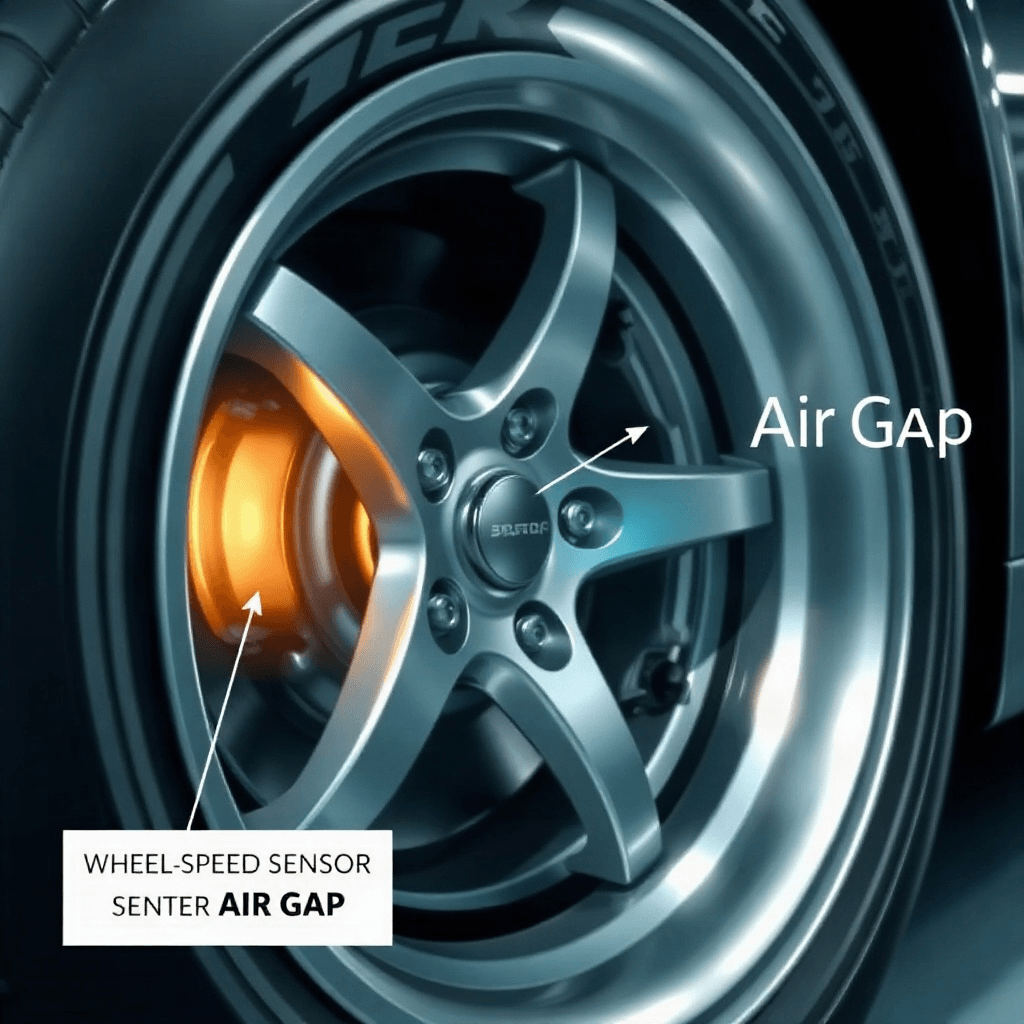
The Anti-lock Braking System (ABS) is essential in preventing wheel lock-up during sudden braking, enabling the driver to maintain steering control. By rapidly modulating brake pressure, the ABS prevents skidding, especially on slippery surfaces. This system comprises several key components, including sensors, a controller, and hydraulic valves. Over time, though, air can enter the hydraulic lines, reducing the system’s efficiency. Therefore, bleeding the brakes becomes crucial to remove any trapped air, ensuring the brakes remain responsive and effective. Using a scan tool during this process can streamline the procedure, offering precise diagnostics and ensuring all air bubbles are effectively purged.
The Role of a Scan Tool in Brake Bleeding
A scan tool is a diagnostic device that interfaces with a vehicle’s onboard computer system. In the context of ABS brake bleeding, it plays a pivotal role by communicating with the ABS module to cycle the pump and valves. This action allows any trapped air to be expelled from the system. While traditional brake bleeding methods can be effective, they often fall short in dealing with the complexities of modern ABS systems. The scan tool facilitates a more thorough process by ensuring that all components are engaged during bleeding. Consequently, this helps maintain optimal braking performance and enhances the vehicle’s overall safety.
Signs That ABS Hydraulic Bleeding Is Required
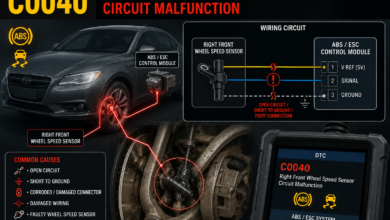
Several symptoms can indicate the need for ABS hydraulic bleeding. One of the most common signs is a spongy or soft brake pedal, which suggests the presence of air in the brake lines. Additionally, if the ABS warning light illuminates on the dashboard, it may indicate an issue within the system that requires attention. Unusual noises during braking or a noticeable decrease in braking performance are other red flags. If any of these symptoms occur, it is advisable to consult a professional who can use a scan tool to diagnose and rectify the issue, ensuring the ABS system is functioning correctly.
Advantages of Using a Scan Tool for ABS Bleeding
Utilizing a scan tool for ABS bleeding brings several advantages. Firstly, it enhances accuracy by allowing for controlled cycling of the ABS components, ensuring a comprehensive air purge. This precision reduces the risk of incomplete bleeding, which can compromise brake performance. Furthermore, a scan tool can diagnose other potential issues within the ABS system, providing a holistic view of the system’s health. By facilitating a more efficient bleeding process, a scan tool not only saves time but also enhances the safety and reliability of the vehicle’s braking system.
When to Perform ABS Hydraulic Bleeding
The frequency of ABS hydraulic bleeding depends on several factors, including the vehicle’s age, mileage, and braking performance. Typically, bleeding the brakes is recommended when brake fluid is replaced, or if the system has been opened for repairs. Additionally, if any of the aforementioned symptoms are present, it may be time to perform the procedure. Regular maintenance checks can also help determine when bleeding is necessary. By staying vigilant and addressing issues promptly, vehicle owners can ensure their ABS systems remain in top condition, providing peace of mind while driving.
Conclusion Ensuring Safety and Performance
In conclusion, ABS hydraulic bleeding with a scan tool is a vital maintenance task for ensuring optimal braking performance. By understanding the role of the ABS system and the importance of removing trapped air, drivers can maintain both safety and efficiency. The use of a scan tool not only simplifies the bleeding process but also enhances diagnostic capabilities, providing a comprehensive overview of the system’s health. For those seeking further information on maintaining their vehicle’s braking system, consulting with a professional or referring to [relevant resources] can be beneficial.