Why a Basic OBD-II Reader May Not Show ABS or 4WD Codes
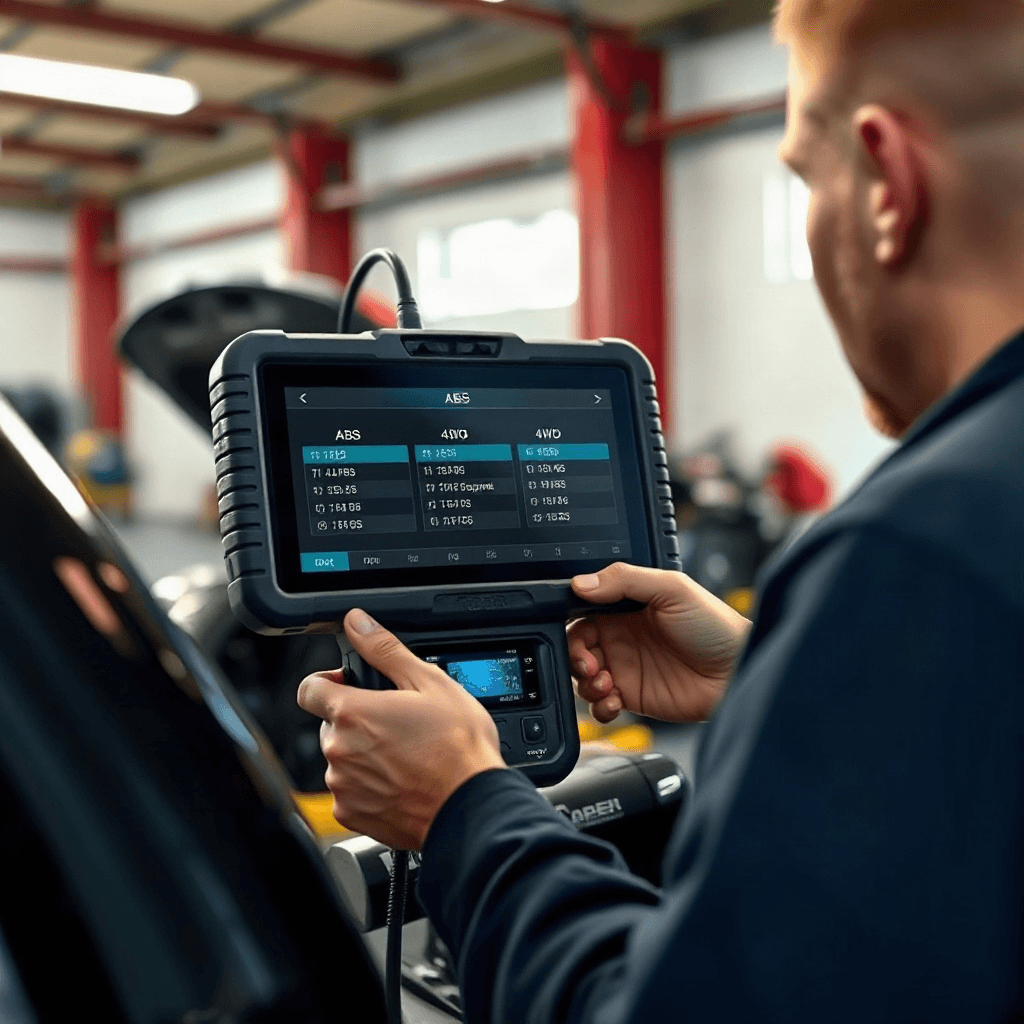
In the realm of modern vehicular diagnostics, the OBD-II reader is a fundamental tool for many car enthusiasts and professionals alike. However, some of you might have faced situations where this seemingly all-powerful device fails to display certain critical codes, such as those related to Anti-lock Braking Systems (ABS) or Four-Wheel Drive (4WD) systems. This discrepancy can be puzzling, especially when you’re trying to diagnose a specific issue. Understanding why a basic OBD-II reader may not show these codes requires a delve into the intricacies of vehicle electronics and the limitations inherent in simpler diagnostic tools.
Understanding the OBD-II Readers Limitations
Your first encounter with an OBD-II reader might have left you impressed with its ability to quickly diagnose a variety of engine-related issues through the Check Engine Light. However, it’s essential to recognize that these devices primarily focus on emissions-related systems. The OBD-II protocol was developed to standardize emissions diagnostics, and while it provides access to a broad range of data, it does not encompass all vehicle systems. The intricacies of ABS and 4WD systems fall outside the purview of basic OBD-II readers, which often lack the capability to communicate with the specialized control modules governing these systems. Consequently, when you rely solely on an OBD-II reader, you’re likely to miss out on crucial diagnostic information related to these safety and performance features.
The Complexity of ABS Systems
Anti-lock Braking Systems are a marvel of modern automotive engineering, designed to prevent wheel lockup during braking and thereby enhance safety. The complexity of ABS systems is rooted in their need to process information from various sensors in real-time. Each wheel has speed sensors, and the ABS control module adjusts braking pressure accordingly to prevent skidding. When ABS issues arise, the system generates specific codes that are unique to its operation. These codes are often stored in a separate control module, not directly accessible with a basic OBD-II reader. To read these codes, you would need a more advanced diagnostic tool capable of interfacing with the ABS module, thus ensuring you accurately diagnose and address the underlying issue.
The Intricacies of 4WD Systems
Similarly, 4WD systems add another layer of complexity to vehicle diagnostics. These systems are designed to enhance traction and stability, particularly under challenging driving conditions. The 4WD system operates through a series of sensors and control modules that distribute power to all four wheels. Each component must function harmoniously to ensure optimal performance. When a malfunction occurs, specific fault codes are generated by the 4WD control module. Basic OBD-II readers, focused primarily on engine diagnostics, lack the sophistication to access these specialized codes. This limitation underscores the need for a more comprehensive diagnostic tool when addressing 4WD system issues.
Advanced Diagnostic Tools The Next Step
For those of you seeking to delve deeper into your vehicle’s diagnostics, investing in an advanced diagnostic tool is a prudent step. These tools not only read standard OBD-II codes but also access manufacturer-specific data, including ABS and 4WD systems. They offer the ability to communicate with various control modules, providing a complete picture of your vehicle’s health. By utilizing such tools, you gain the advantage of identifying and rectifying issues that a basic OBD-II reader might overlook, ultimately ensuring the safety and performance of your vehicle.
The Role of Software Updates and Manufacturer Protocols
Another critical aspect to consider is the role of software updates and manufacturer-specific protocols. Automotive technology is rapidly evolving, and manufacturers frequently release updates to enhance vehicle performance and diagnostics. Basic OBD-II readers may not support the latest protocols required to access certain codes, particularly for newer models. Advanced diagnostic tools, however, often come with the capability to update their software, aligning with the latest manufacturer protocols. Staying informed about these updates ensures that your diagnostic tool remains relevant and effective, enabling you to tackle even the most recent vehicle models with confidence.
Concluding Thoughts on Diagnostic Accuracy
In conclusion, while a basic OBD-II reader serves as a valuable tool for initial diagnostics, it is not the be-all and end-all solution for all vehicle systems. Recognizing its limitations is vital for accurate diagnostics, particularly when dealing with complex systems like ABS and 4WD. By understanding the need for advanced diagnostic tools and staying abreast of software updates and manufacturer protocols, you position yourselves to effectively diagnose and maintain your vehicle’s myriad systems. In doing so, you ensure the vehicle’s safety, performance, and longevity, which ultimately translates into a more satisfying driving experience.