Engine Cuts Out Over Bumps: How to Find an Intermittent Connection
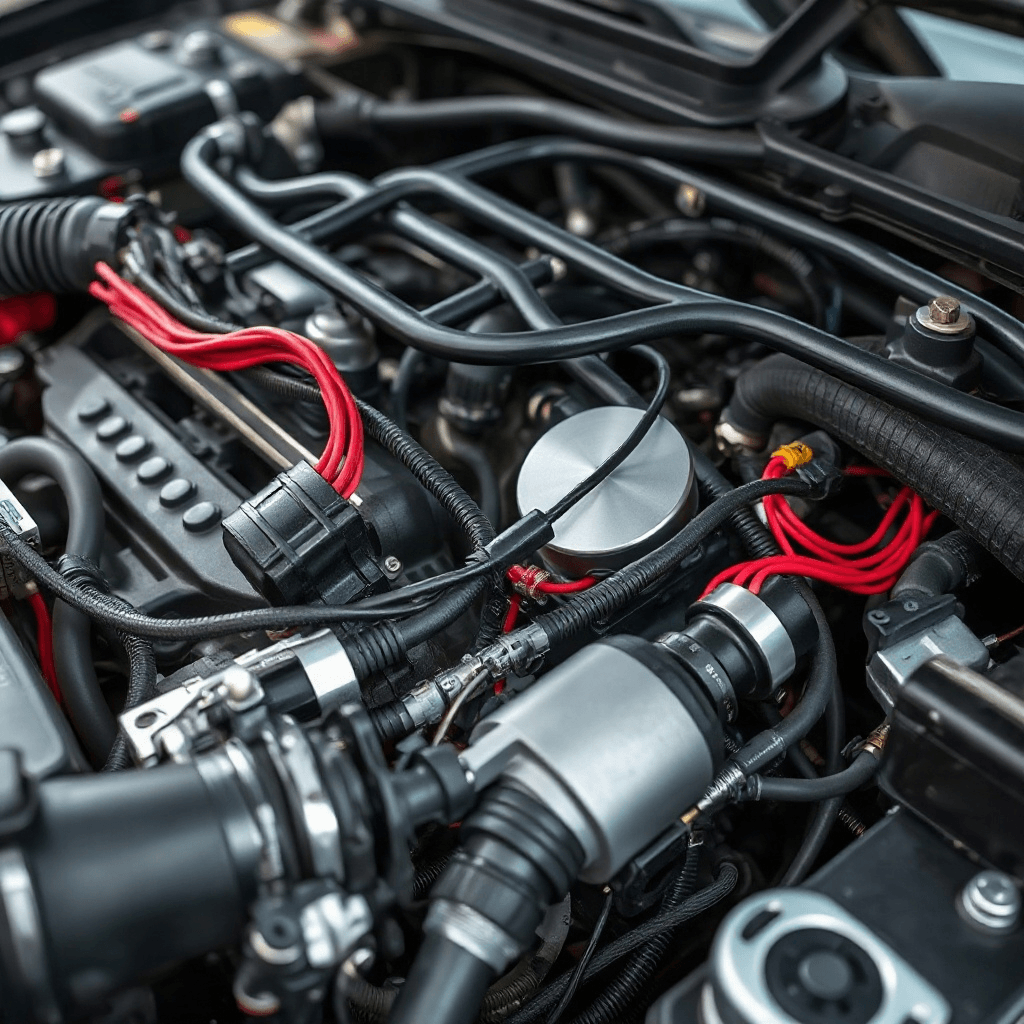
When it comes to diagnosing mechanical issues in vehicles, one of the more perplexing problems can be an engine that cuts out over bumps. This phenomenon, often caused by an intermittent electrical connection, challenges even seasoned mechanics. Understanding the intricacies of how minor disruptions in electrical flow can lead to significant engine performance issues is crucial for efficient troubleshooting. In this article, we will delve into the complexities of intermittent connections, exploring diagnostic techniques and preventive measures to ensure reliable engine performance.
Identifying Symptoms of an Intermittent Connection
In the context of automotive issues, an intermittent connection occurs when electrical continuity is sporadically lost, usually due to disruptions in wiring or connectors. Symptoms often manifest as the engine cutting out or sputtering, particularly when driving over bumps or rough terrain. These interruptions can be momentary but significant enough to affect engine performance. Diagnosing such symptoms requires a keen eye for detail and a systematic approach to isolate the problem. Understanding the vehicle’s wiring diagram and identifying the key components involved in the engine’s electrical system are critical first steps in this process.
The Role of Vibration in Electrical Disruptions
Vehicles are subject to constant vibration, which can exacerbate existing issues with electrical connections. Over time, vibrations can cause connectors to loosen, wires to chafe against metal surfaces, or solder joints to crack, leading to intermittent connections. This is particularly problematic in older vehicles where wear and tear have already taken a toll on the wiring harness. To mitigate these issues, regular inspections and maintenance of the vehicle’s electrical system are vital. Ensuring that all connectors are secure and free from corrosion, and that wires are properly insulated, can help reduce the risk of vibration-related electrical disruptions.
Diagnostic Tools and Techniques
Diagnosing an intermittent connection requires a combination of traditional mechanical skills and modern diagnostic tools. A multimeter is an indispensable tool for measuring continuity, voltage, and resistance in electrical circuits. However, intermittent faults can be elusive, disappearing during static tests. Thus, simulating real-world conditions by gently manipulating wires and connectors while monitoring readings can reveal hidden issues. In addition, some advanced diagnostic tools can record live data while the vehicle is in motion, offering insights into electrical performance under various conditions. These tools, combined with a methodical testing approach, can significantly enhance diagnostic accuracy.
Common Culprits in Intermittent Engine Issues
Several common components are often responsible for intermittent engine issues. Loose or corroded battery terminals, faulty ignition switches, and damaged wiring harnesses are frequent culprits. Relays and fuses, while often overlooked, can also develop intermittent faults. Identifying these problem areas involves a thorough inspection of the vehicle’s electrical system, focusing on connectors and wiring paths that are most susceptible to wear. Emphasizing preventive maintenance, such as regularly checking and cleaning connectors, can prevent the development of intermittent faults, ensuring a more reliable electrical system.
Preventive Measures and Maintenance
Preventive maintenance is key to reducing the risk of intermittent electrical issues. Regularly inspecting the vehicle’s wiring, securing loose connectors, and replacing worn components can greatly enhance system reliability. Additionally, applying dielectric grease to connectors can prevent corrosion and improve conductivity. Keeping a detailed maintenance log allows for tracking the condition of electrical components over time, facilitating proactive repairs. These measures, when applied consistently, can minimize the occurrence of intermittent faults, leading to smoother and more reliable engine performance.
Future Trends in Vehicle Diagnostics
The automotive industry is rapidly advancing towards more sophisticated diagnostic tools and systems, leveraging developments in technology to enhance accuracy and efficiency. The integration of AI and machine learning in diagnostic tools holds promise for detecting intermittent faults more effectively. These technologies can analyze patterns in engine performance data, identifying anomalies that may indicate underlying electrical issues. As vehicles become increasingly complex, staying abreast of these advancements will be crucial for automotive professionals seeking to maintain their expertise in engine diagnostics and repair.