License Plate Lights Not Working: Causes and Repair Guide
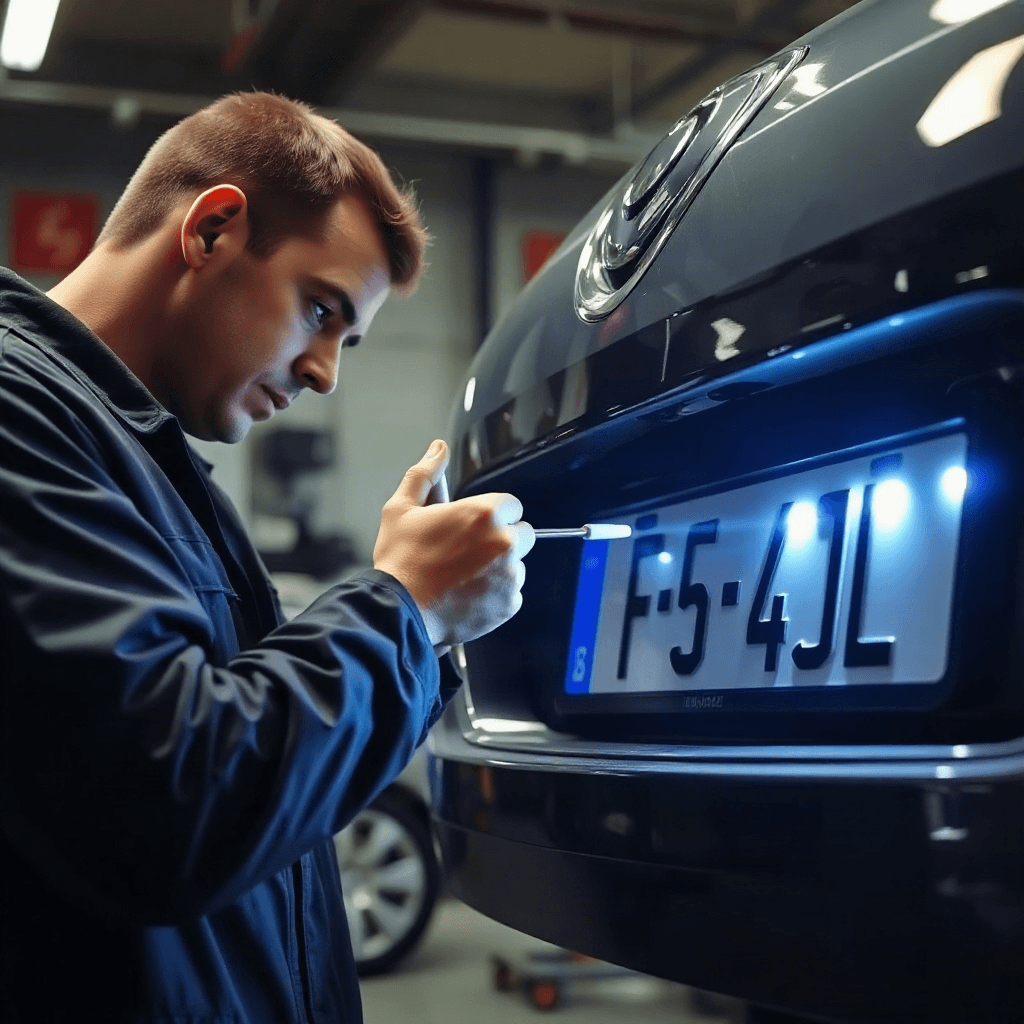
License plate lights, though often overlooked, play a crucial role in vehicle safety and compliance with traffic regulations. Ensuring these lights are functional is not only a legal requirement but also a safety measure, as they help other drivers and law enforcement identify your vehicle at night. In this comprehensive guide, we will explore the common reasons why license plate lights may stop working and provide detailed instructions on how to address these issues. Whether you’re a seasoned car enthusiast or a novice driver, understanding the intricacies of vehicle maintenance can save you time and money while ensuring your car remains roadworthy.
Understanding the Importance of License Plate Lights
License plate lights are designed to illuminate the rear registration plate of a vehicle, ensuring it is visible in low-light conditions. This visibility is crucial for several reasons. Primarily, it ensures that your vehicle’s registration plate can be read by law enforcement and other drivers, particularly at night or in adverse weather conditions. Failure to maintain functional license plate lights can lead to traffic citations or fines, as most jurisdictions have specific regulations mandating their operation. Moreover, a properly illuminated plate increases the likelihood of your vehicle being quickly identified in case of theft or an accident. Thus, maintaining these lights is an integral part of routine vehicle upkeep.
Common Causes of License Plate Light Failures
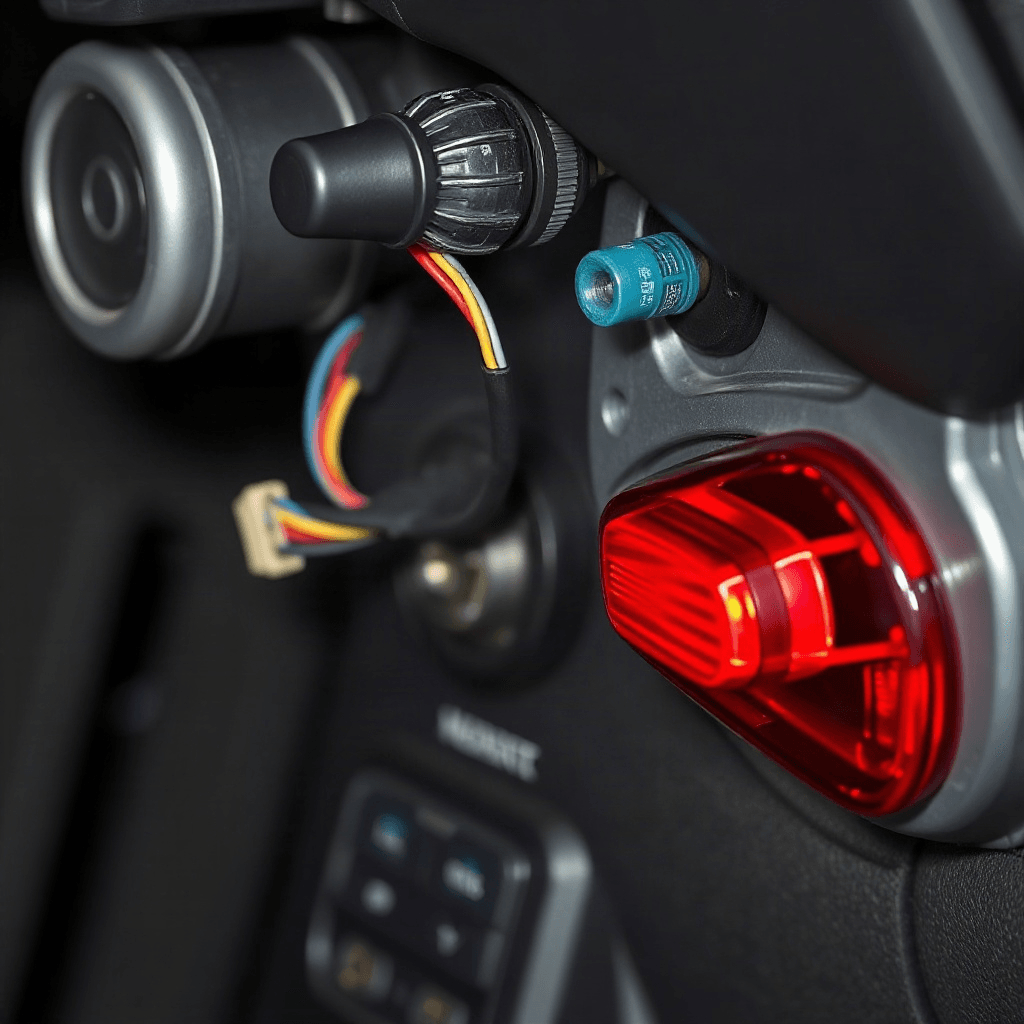
There are several reasons why license plate lights might fail. One of the most common issues is a burnt-out bulb. Like any other light bulb, those used in license plate lights have a limited lifespan and will need replacement over time. Another frequent issue is a blown fuse. Fuses are designed to protect the electrical circuits in your vehicle; when they blow, they interrupt the circuit, causing the lights to go out. Wiring issues can also cause light failures. Over time, wires can become corroded, damaged, or disconnected, resulting in a loss of power. Additionally, problems with the light socket, such as corrosion or damage, can prevent the bulb from receiving the necessary electrical current.
Diagnosing the Problem with Your License Plate Lights
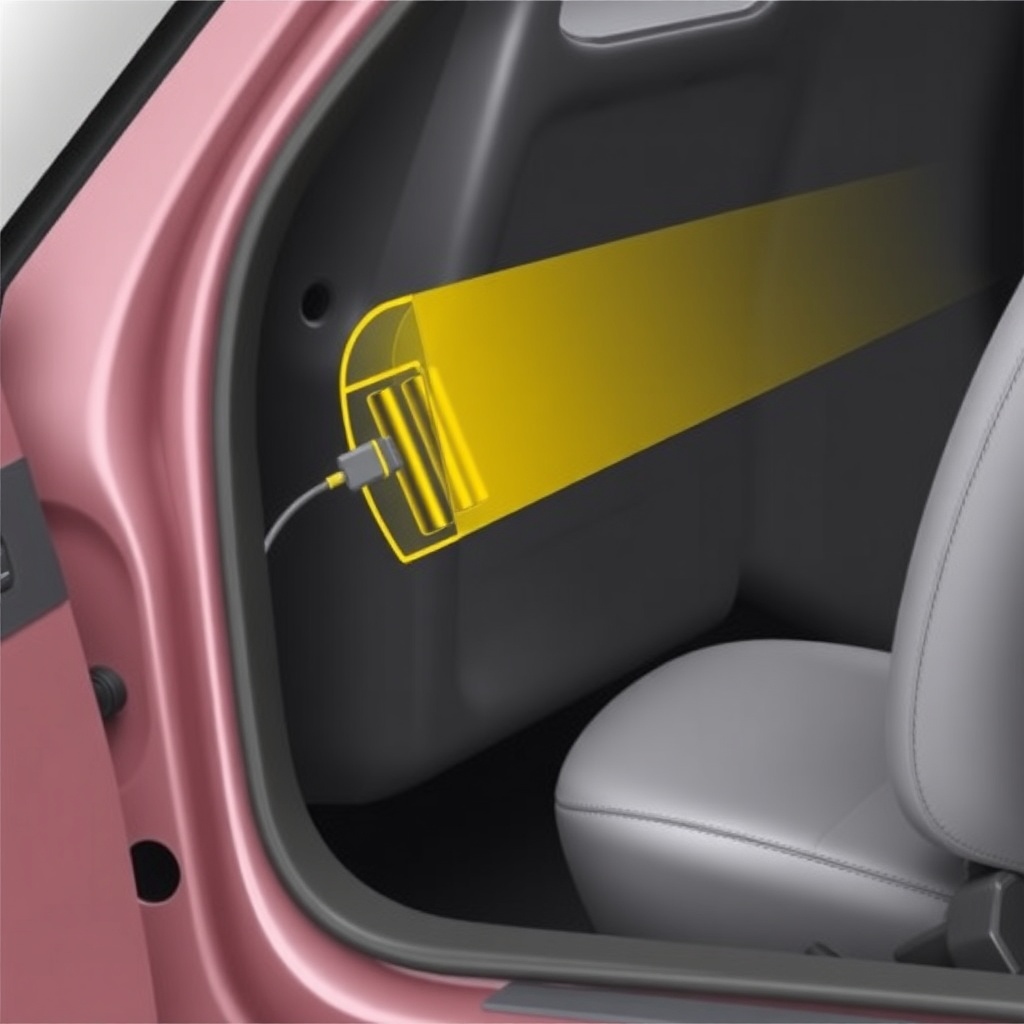
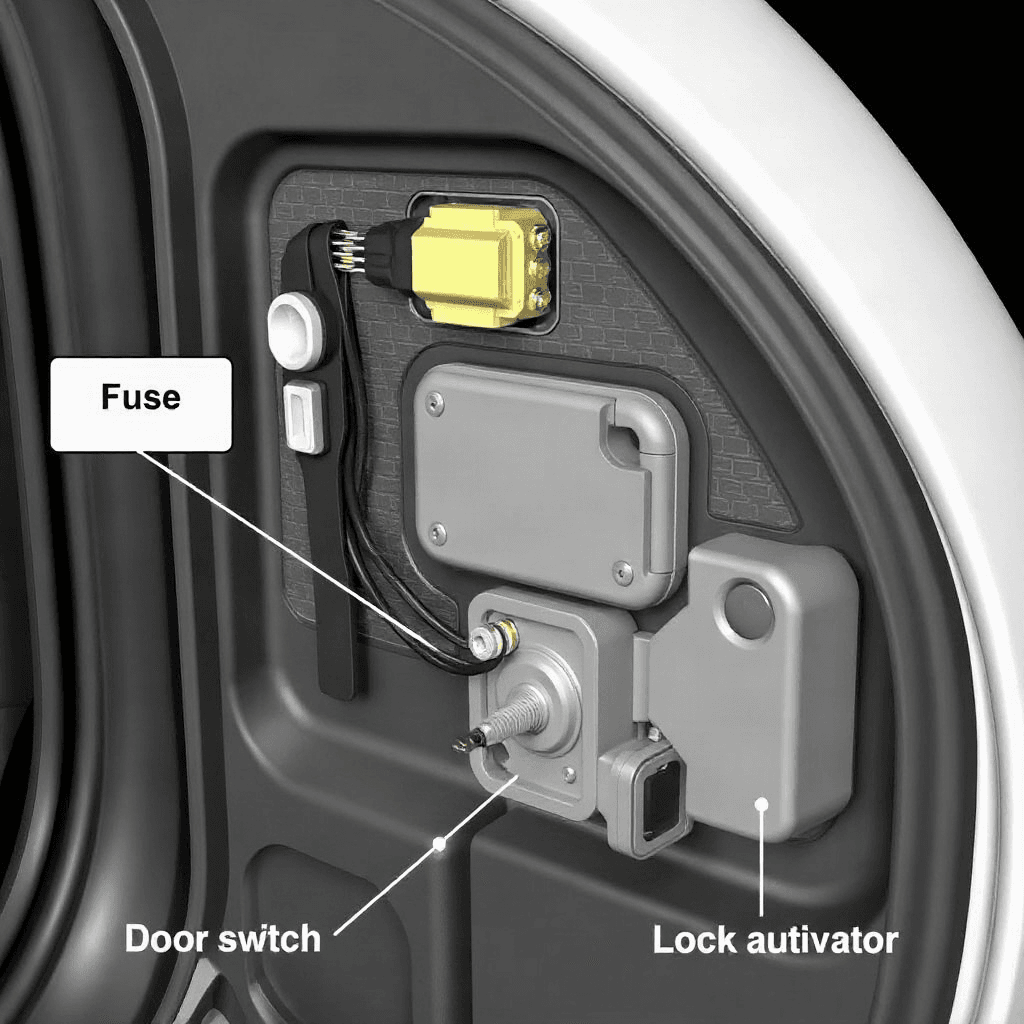
Diagnosing the issue with your license plate lights involves a systematic approach. Begin by checking the most obvious cause: the bulbs. Inspect the bulbs for any visible signs of damage or burnout. If the bulbs appear intact, the next step is to check the vehicle’s fuses. Locate the fuse box, usually found under the dashboard or in the engine compartment, and identify the fuse linked to the license plate lights. If the fuse is blown, replace it with one of the same amperage. If neither the bulbs nor the fuse are the issue, the problem might lie within the wiring or the light socket itself. Inspect the wiring for any visible damage or disconnection, and check the socket for corrosion or other issues that might impede electrical flow.
Steps to Repair License Plate Lights
Repairing license plate lights can be straightforward, depending on the underlying issue. If the bulb is burnt out, replacing it is a simple task. Purchase a replacement bulb that matches the specifications of the old one and install it according to your vehicle’s manual. For a blown fuse, replace it with a new one of the same amperage. Wiring or socket issues may require more technical expertise. If the wiring is damaged, you might need to strip and reconnect the wires, while a corroded socket might need cleaning or replacement. In cases where you’re unsure or uncomfortable with the repair process, consulting a professional mechanic is advisable to prevent further damage.
Tips for Preventing Future Light Failures
Preventing future failures of your license plate lights involves regular maintenance and inspection. Periodically check the bulbs and replace them before they burn out. Regularly inspect the wiring for signs of wear and tear, especially if you frequently drive in harsh conditions that might accelerate corrosion. Ensuring that the sockets remain clean and free of debris will also prolong the life of your license plate lights. Moreover, keeping a set of spare bulbs and fuses in your vehicle can be handy for on-the-spot replacements. By incorporating these checks into your routine car maintenance, you can minimize the likelihood of unexpected light failures.
When to Seek Professional Help
While some issues with license plate lights can be resolved with basic mechanical skills, others may require the expertise of a professional. If you’ve replaced the bulbs and fuses and inspected the wiring and sockets without success, it might be time to consult a mechanic. Electrical issues can be complex, and improper handling can lead to further damage or safety hazards. A professional will have the tools and expertise to diagnose and repair the problem efficiently. Additionally, routine inspections by a professional during regular vehicle servicing can help identify potential issues before they become major problems.