Traction Control Drops Out After Wheel or Suspension Work: Sensor Checks
Traction control systems play a critical role in modern vehicles by enhancing safety and stability, especially under challenging driving conditions. However, these systems can sometimes malfunction following wheel or suspension work. This article aims to explore the connection between such mechanical work and traction control issues, with a particular focus on the importance of sensor checks. By adhering to a structured analysis, we will delve into the causes, implications, and solutions related to traction control failures.
Understanding Traction Control Systems
Traction control systems are integral to vehicle safety, preventing wheel spin and maintaining grip on the road. These systems rely heavily on sensors to monitor wheel speed and other dynamic parameters. When everything functions correctly, traction control can enhance both vehicle performance and safety. However, issues can arise following mechanical work, such as wheel or suspension adjustments. These problems often stem from sensor misalignments or other related errors. Understanding the core components and functions of traction control systems is essential for diagnosing and addressing these issues effectively.
The Impact of Wheel or Suspension Work
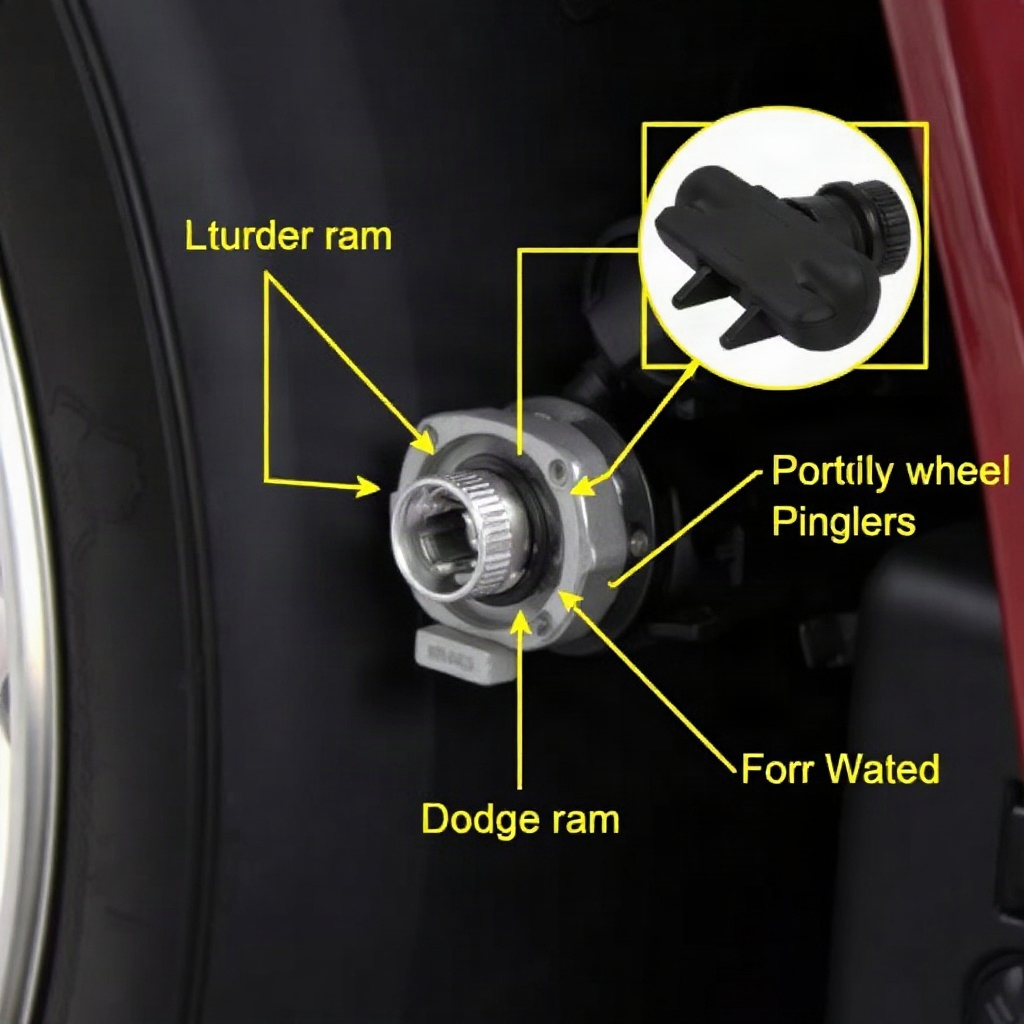
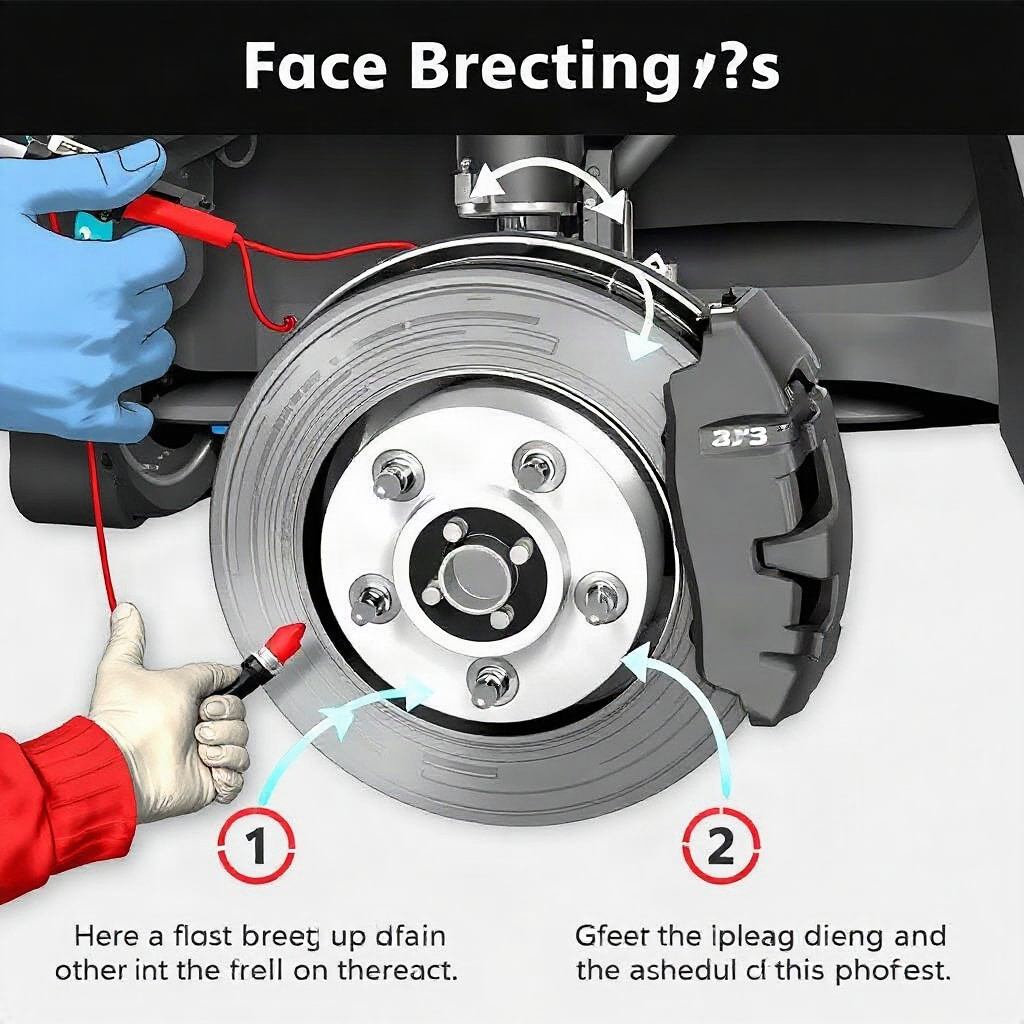
Wheel and suspension work is common in vehicle maintenance, but it can inadvertently affect traction control systems. During such work, sensors may be disturbed or left uncalibrated, leading to system malfunctions. These sensors, often located near the wheels, are sensitive to changes in positioning or connectivity. Additionally, improper reinstallation or alignment of components can exacerbate these issues, causing the traction control system to disengage unexpectedly. Recognizing the potential ramifications of these adjustments is crucial for both mechanics and vehicle owners.
Significance of Sensor Checks
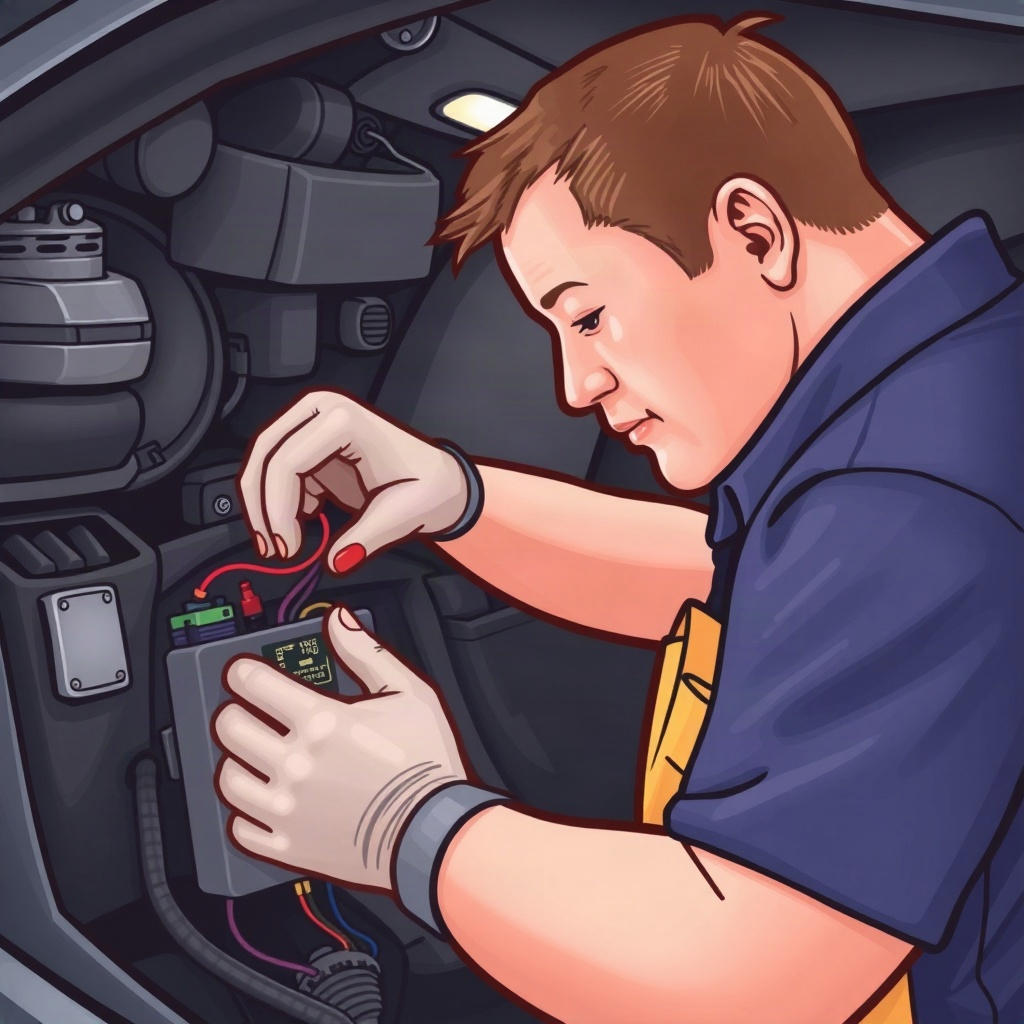
Sensor checks are vital in ensuring the proper functioning of traction control systems, especially after mechanical work. Sensors provide real-time data crucial for system decisions, such as when to engage or disengage traction control. A faulty or misaligned sensor can lead to incorrect readings, causing the system to malfunction. Therefore, thorough sensor checks and calibrations are essential after any wheel or suspension work. Technicians must ensure that all sensors are properly aligned and connected, as even slight deviations can lead to significant operational issues.
Common Symptoms of Traction Control Problems
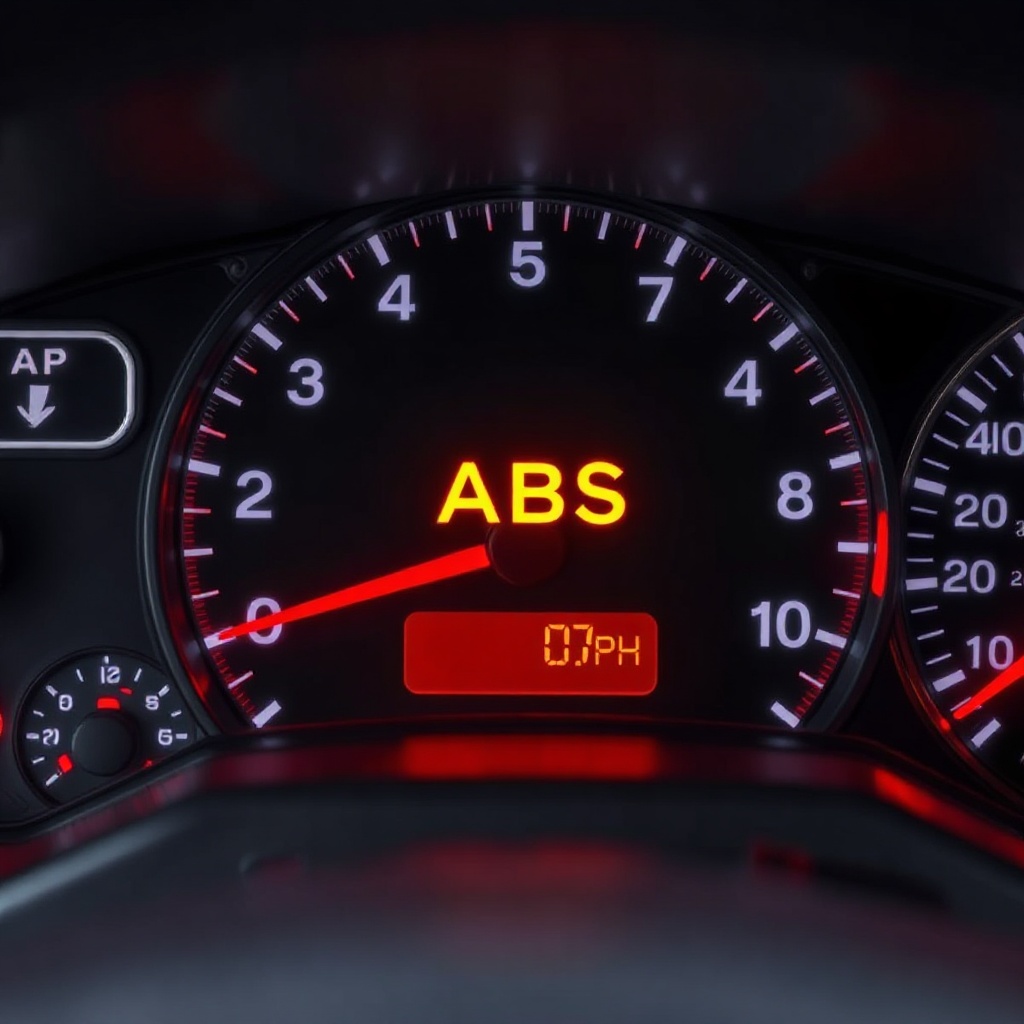
When traction control systems malfunction, the vehicle may exhibit several symptoms. Drivers might notice warning lights on the dashboard, reduced vehicle stability, or unexpected wheel spin. In some cases, the vehicle may also experience issues with acceleration or braking. Recognizing these symptoms early can prevent further complications and ensure timely intervention. It’s important for drivers to be vigilant and seek professional help if they suspect their traction control system is not functioning correctly.
Solutions and Best Practices
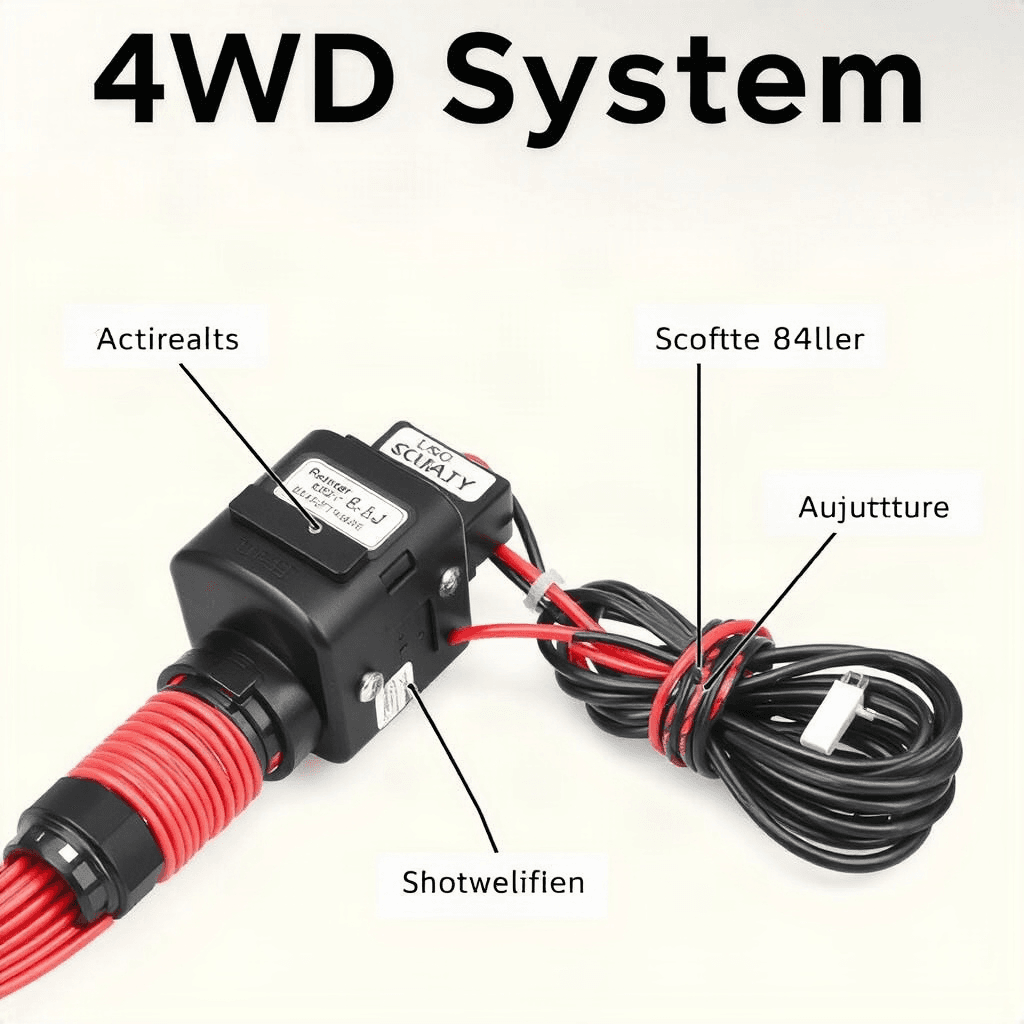
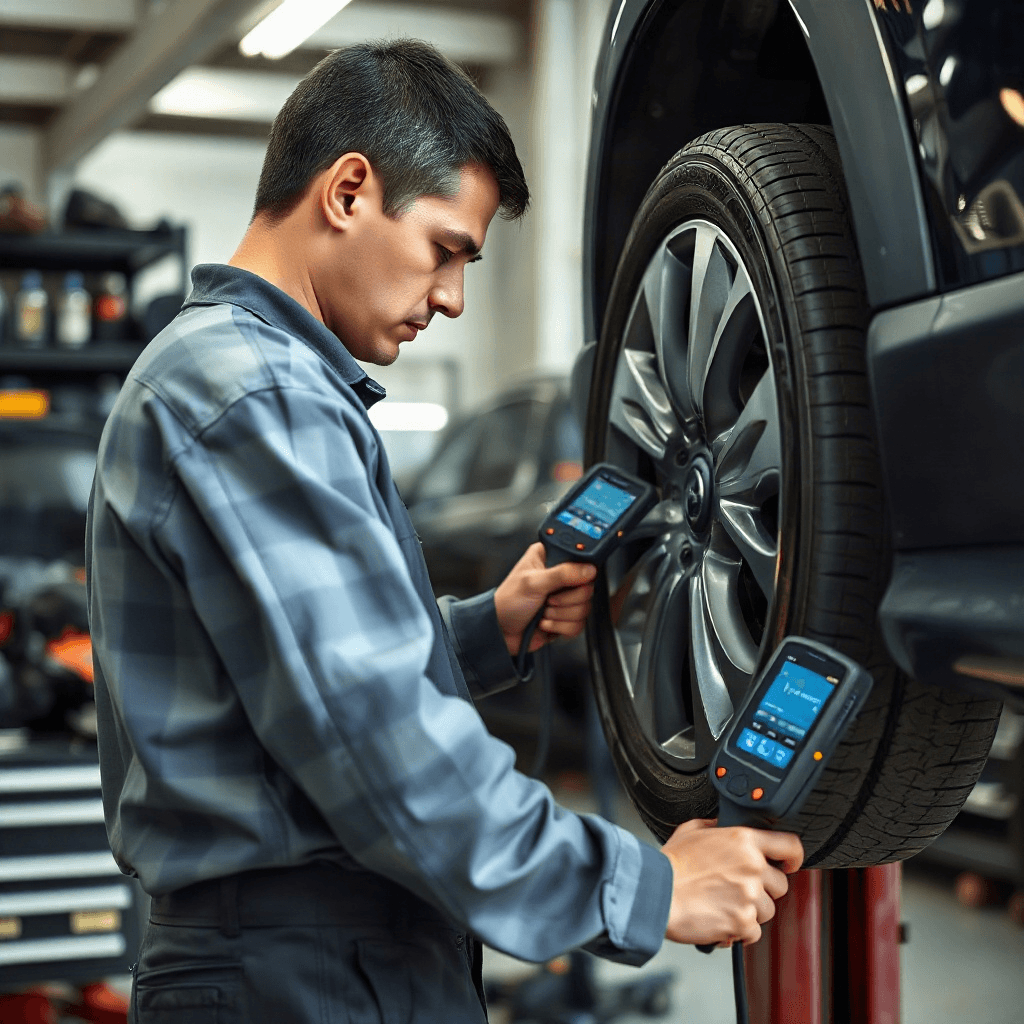
Addressing traction control issues requires a systematic approach, emphasizing sensor checks and calibrations. Technicians should start by inspecting all relevant sensors and wiring connections. Recalibrating the system using specialized diagnostic tools can also resolve many issues. Furthermore, adhering to best practices during wheel or suspension work can prevent these problems from occurring. This includes following manufacturer guidelines and ensuring proper alignment and installation of components. Regular maintenance and timely inspections can also mitigate the risk of traction control problems, enhancing overall vehicle safety.
The Role of Technology in Traction Control Maintenance
Advancements in automotive technology have made traction control systems more sophisticated and reliable. Modern diagnostic tools can quickly identify and rectify sensor-related issues, minimizing downtime and enhancing vehicle performance. Additionally, continuous improvements in sensor technology have resulted in more accurate and durable components. By leveraging these technological advancements, mechanics and vehicle owners can ensure the longevity and reliability of their traction control systems. Staying informed about the latest developments in this field is crucial for effective maintenance and troubleshooting.