P0720 Code: Output Speed Sensor Circuit Malfunction

The P0720 code is a common diagnostic trouble code (DTC) that indicates a malfunction in the output speed sensor circuit of a vehicle. This code is an integral part of the onboard diagnostic system and serves as a warning for potential transmission issues. Understanding the implications of this code is crucial for vehicle owners and mechanics alike, as it can impact the overall performance of the car’s transmission system. In this article, we will delve into the various aspects of the P0720 code, exploring its causes, symptoms, and potential solutions.
Understanding the Output Speed Sensor
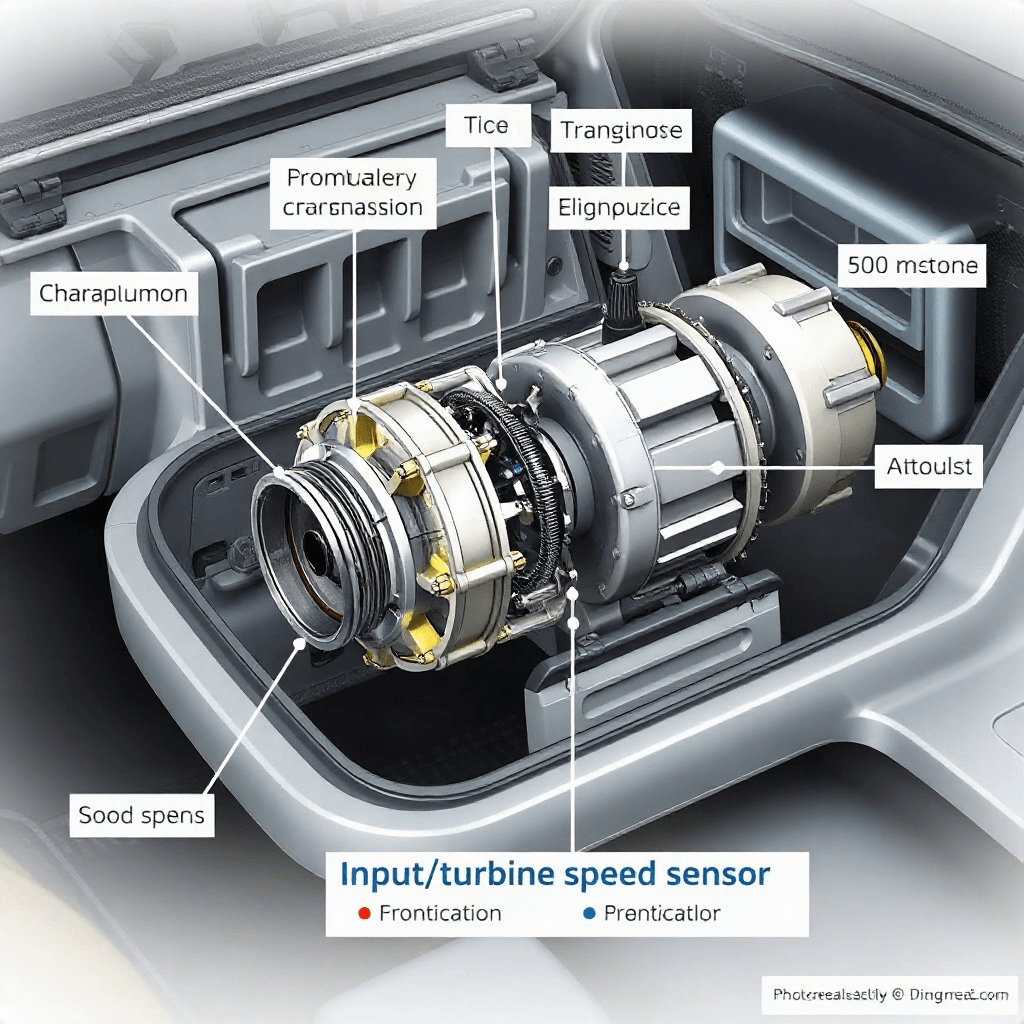
The output speed sensor plays a pivotal role in a vehicle’s transmission system. It is responsible for measuring the rotational speed of the transmission’s output shaft and transmitting this information to the vehicle’s engine control module (ECM). This data is essential for the ECM to calculate the appropriate gear ratios, ensuring smooth shifting and optimal fuel efficiency. A malfunction in the output speed sensor can lead to inaccurate data transmission, which may result in poor transmission performance. In some cases, this issue might cause the vehicle to enter “limp mode,” significantly reducing its drivability. Regular inspection and maintenance of the output speed sensor can prevent these issues from arising.
Causes of the P0720 Code
Several factors can trigger the P0720 code, each requiring a different diagnostic approach. One common cause is a faulty output speed sensor, which may have been damaged due to wear and tear or exposure to elements such as moisture or debris. Additionally, wiring issues, such as frayed or corroded wires, can interrupt the electrical connection between the sensor and the ECM, leading to erroneous readings. A malfunctioning transmission control module (TCM) or a problem within the transmission itself can also be potential culprits. Identifying the root cause of the P0720 code is essential for implementing an effective repair strategy, minimizing the risk of further transmission damage.
Symptoms of a Malfunctioning Output Speed Sensor
Recognizing the symptoms associated with the P0720 code can aid in early detection and repair, preventing more severe transmission problems. One of the most noticeable symptoms is erratic or harsh shifting, which occurs when the transmission struggles to find the correct gear ratios. The vehicle’s speedometer may also display inaccurate readings, causing confusion for the driver. In some cases, the check engine light may illuminate, signaling the need for a diagnostic check. Additionally, a decrease in fuel efficiency might be observed, as the ECM relies on accurate speed data to optimize fuel consumption. Addressing these symptoms promptly can prevent long-term damage to the transmission system.
Diagnosing the P0720 Code
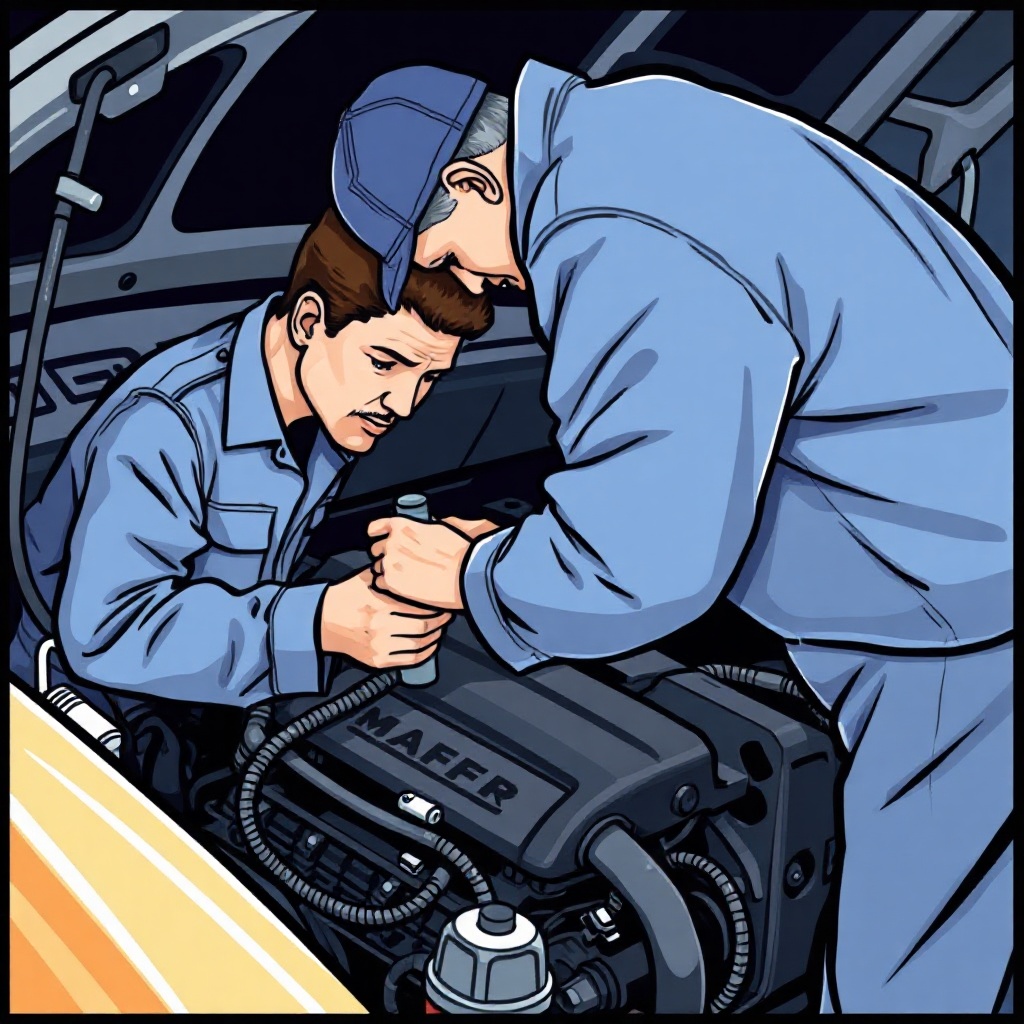
Proper diagnosis of the P0720 code involves a comprehensive examination of the vehicle’s transmission system and related components. Mechanics typically begin by using an OBD-II scanner to retrieve the specific trouble code and assess any other related codes that may be present. A visual inspection of the output speed sensor and its wiring is crucial to identify any physical damage or loose connections. Testing the sensor’s electrical output with a multimeter can determine if it is functioning within the manufacturer’s specifications. If no faults are found with the sensor or its wiring, further investigation into the transmission control module or other transmission components may be necessary.
Repairing the Output Speed Sensor Circuit Malfunction
Once the cause of the P0720 code has been identified, appropriate repairs can be made to restore the vehicle’s transmission performance. If the output speed sensor is determined to be faulty, replacing it with a new, compatible sensor is often the most effective solution. For wiring issues, repairing or replacing damaged wires or connectors can restore proper communication between the sensor and the ECM. In cases where the transmission control module is at fault, reprogramming or replacing the module might be required. Ensuring that all repairs are conducted according to the manufacturer’s guidelines is crucial for maintaining the vehicle’s reliability and safety.
Preventive Measures and Maintenance
Taking preventive measures and adhering to a regular maintenance schedule can help avoid the recurrence of the P0720 code and ensure the longevity of the transmission system. Regularly inspecting the output speed sensor and its wiring for signs of wear and damage can prevent malfunctions. Additionally, keeping the transmission fluid clean and at the correct level is vital for the overall health of the transmission. Vehicle owners should also be vigilant about addressing any transmission-related symptoms promptly to prevent minor issues from escalating into major problems. By prioritizing these maintenance practices, drivers can enjoy a smoother and more efficient driving experience.