Parking Lights Stay On After the Car Is Turned Off
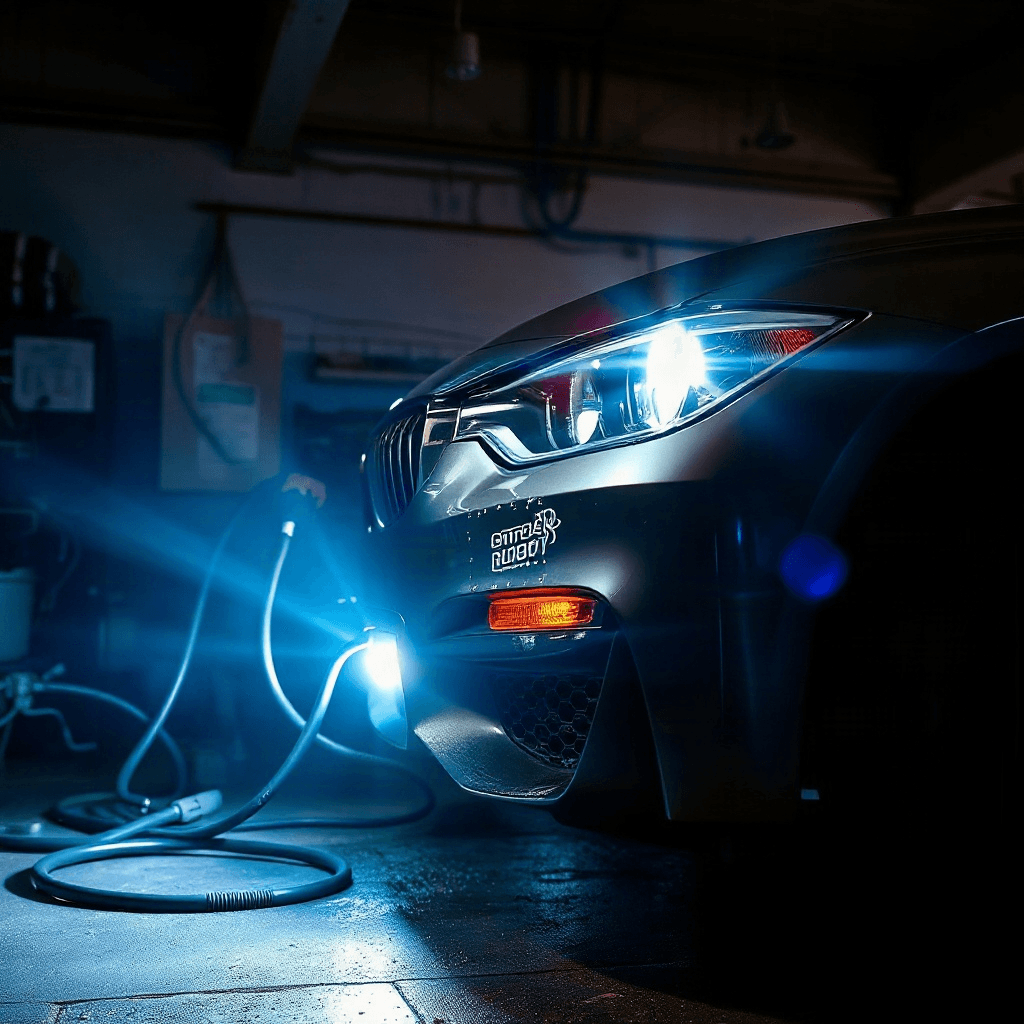
When a car’s parking lights remain on after it has been turned off, it can be a puzzling and potentially concerning situation for any vehicle owner. This issue not only affects the car’s battery life but can also signal underlying electrical problems. In this review, we will delve into the technical aspects of why this might happen, explore potential causes, and offer expert advice on how to address the issue effectively. By understanding the intricacies of a car’s electrical system, owners can take proactive steps to prevent further complications and maintain their vehicle’s health.
Understanding the Cars Electrical System
A car’s electrical system is a complex network that powers everything from the headlights to the ignition. It is crucial to comprehend this system to diagnose why parking lights might stay on after the vehicle is turned off. The system is primarily powered by the car battery, which supplies electricity to all components. When the car is running, the alternator takes over, charging the battery and powering the electrical system. The system includes a series of fuses, relays, and switches that control different functions. Any malfunction in these components can lead to electrical issues, such as the parking lights remaining on, which could drain the battery if not addressed promptly.
Common Causes of Parking Lights Staying On
There are several reasons why parking lights might remain on after the car is turned off. One possibility is a faulty light switch. If the switch that controls the parking lights is defective, it may not properly disconnect the lights when turned off. Another common cause is an issue with the car’s relay. A stuck relay can keep the circuit open, leaving the lights powered on. Wiring problems, such as short circuits or grounding issues, can also result in this malfunction. Lastly, some cars have a feature that keeps lights on for a brief period after the vehicle is turned off—commonly known as “follow-me-home” lights. However, if this feature malfunctions, the lights may stay on much longer than intended.
Diagnosing the Problem
Diagnosing why parking lights remain on involves a systematic approach. First, checking the light switch and ensuring it is in the correct position is crucial. If the switch appears to be functioning, the next step is to inspect the relay associated with the parking lights. Testing the relay with a multimeter can reveal whether it is stuck in the on position. Additionally, examining the wiring for any signs of damage or loose connections is essential. It may also be beneficial to consult the vehicle’s manual to understand any features that might be affecting the lights’ behavior. If these steps do not identify the problem, seeking professional assistance might be necessary to delve deeper into the car’s electrical system.
Solutions and Repairs
Once the cause of the issue is identified, addressing it promptly is vital to prevent further complications. If the light switch is faulty, replacing it could resolve the problem. Similarly, a defective relay can be replaced to restore proper functionality. In cases where wiring issues are detected, repairing or replacing damaged wires will ensure the circuit operates correctly. For feature-related malfunctions, a software update or resetting the system may be required. It is essential to use quality parts for any replacements to avoid recurring issues. Regular maintenance checks can also help in early detection of any electrical problems, preventing extensive damage to the system.
Preventive Measures
To avoid the recurrence of parking lights staying on, implementing preventive measures is advisable. Regular inspection of the car’s electrical components can help identify potential problems early. Ensuring the battery is in good condition and fully charged will prevent it from being overly taxed by electrical issues. Familiarizing oneself with the car’s operational features can also prevent accidental misuse of settings that may lead to the lights being left on. In addition, understanding common signs of electrical malfunctions, such as flickering lights or unusual sounds, can prompt timely intervention before a problem escalates.
When to Seek Professional Help
While many issues can be resolved with basic mechanical knowledge, certain situations necessitate professional expertise. If the problem persists despite attempts to fix it, or if diagnosing the issue proves too complex, it is wise to consult an automotive electrician. Professionals have the tools and experience to accurately diagnose and repair intricate electrical problems. They can also provide advice on maintaining the electrical system and preventing future issues. Timely professional intervention not only ensures the problem is resolved but also contributes to the overall longevity and safety of the vehicle.