Exhaust Smells Like Gasoline: How to Investigate an Unburned-Fuel Condition
Experiencing a gasoline odor coming from your vehicle’s exhaust can be both perplexing and concerning. Such a smell often indicates that not all the fuel in the combustion chamber is being burned efficiently, which can lead to reduced engine performance, increased emissions, and potentially even damage to your vehicle. Understanding the underlying causes and knowing how to address them is crucial for maintaining your vehicle’s health. In this article, we will explore the reasons behind a gasoline smell in your exhaust and provide a step-by-step guide on how to investigate this issue effectively.
Understanding the Combustion Process
To grasp why your exhaust might smell like gasoline, it’s essential to understand the basics of the internal combustion process. In essence, your engine relies on a precise mixture of air and fuel to produce power. This mixture is ignited within the combustion chamber, where it should burn completely, resulting in the production of power, carbon dioxide, and water vapor. However, when this process is disrupted, unburned fuel can exit the engine, causing a gasoline odor in the exhaust. Factors such as incorrect fuel mixture, ignition system problems, or engine mechanical issues can all contribute to incomplete combustion.
Common Causes of Gasoline Odor in Exhaust
There are several common causes of a gasoline smell in the exhaust, each linked to different components of the vehicle. One frequent culprit is a malfunctioning oxygen sensor. This sensor plays a critical role in maintaining the correct fuel-to-air ratio by providing feedback to the engine control unit. If it fails, the engine may run too rich, allowing excess fuel to escape through the exhaust. Another potential cause is a clogged or failing catalytic converter, which normally helps to neutralize harmful emissions. Additionally, problems with the fuel injectors, such as leaks or blockages, can also lead to an unburned-fuel condition, as can issues with the spark plugs or ignition system.
Diagnosing the Issue Tools and Techniques
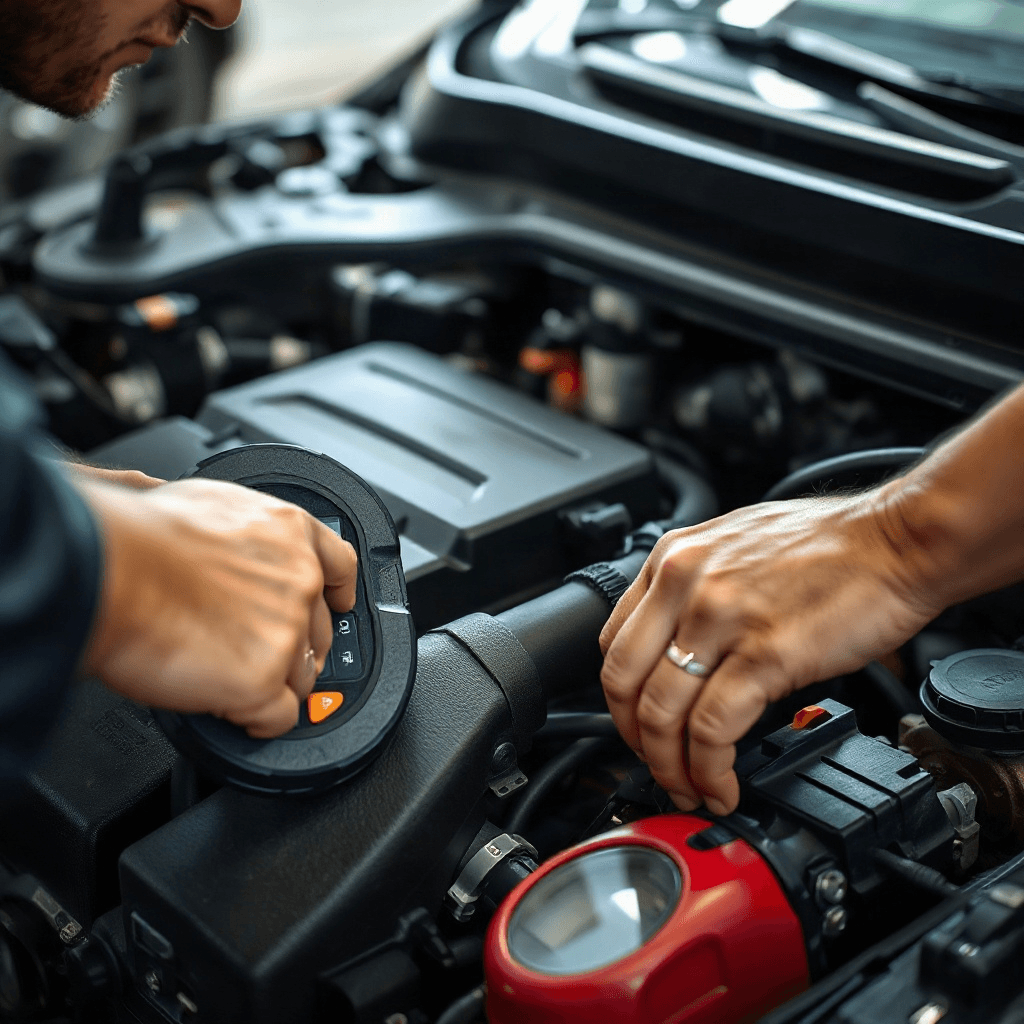
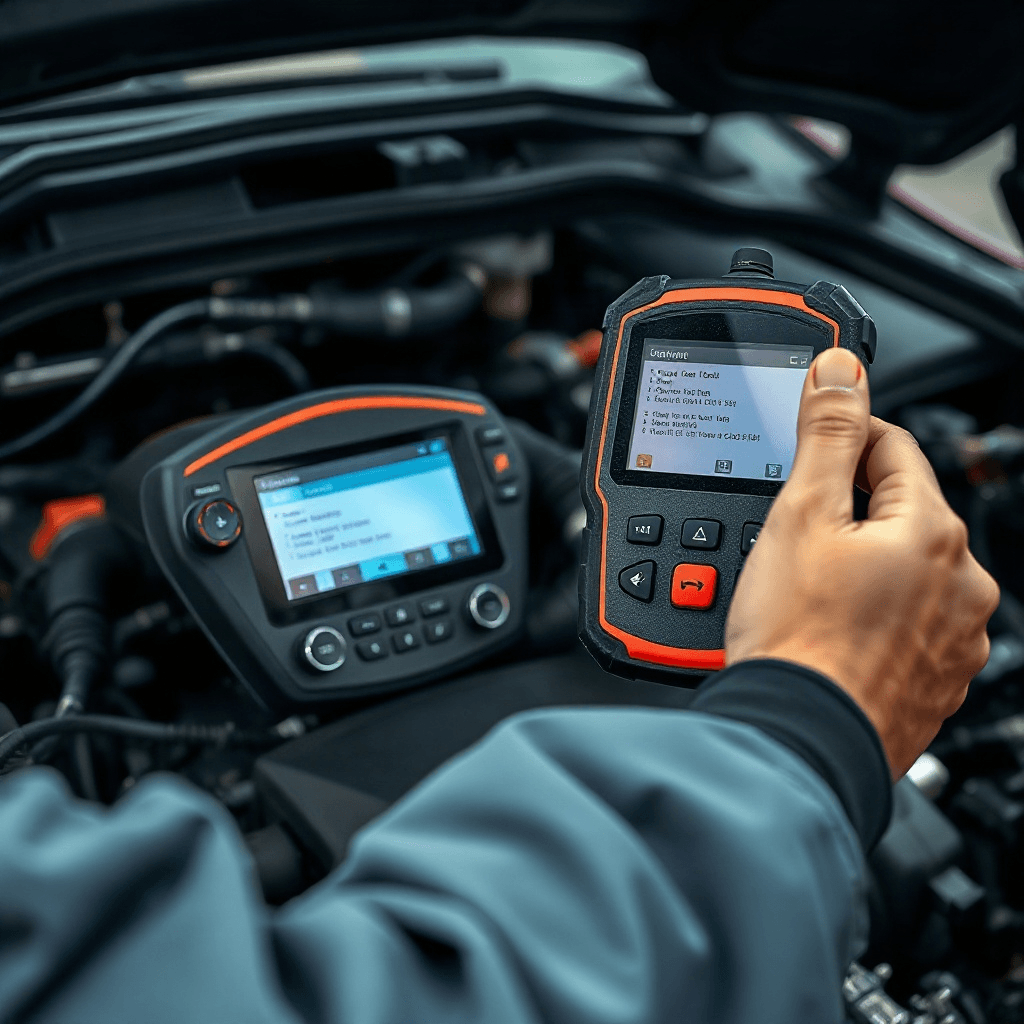
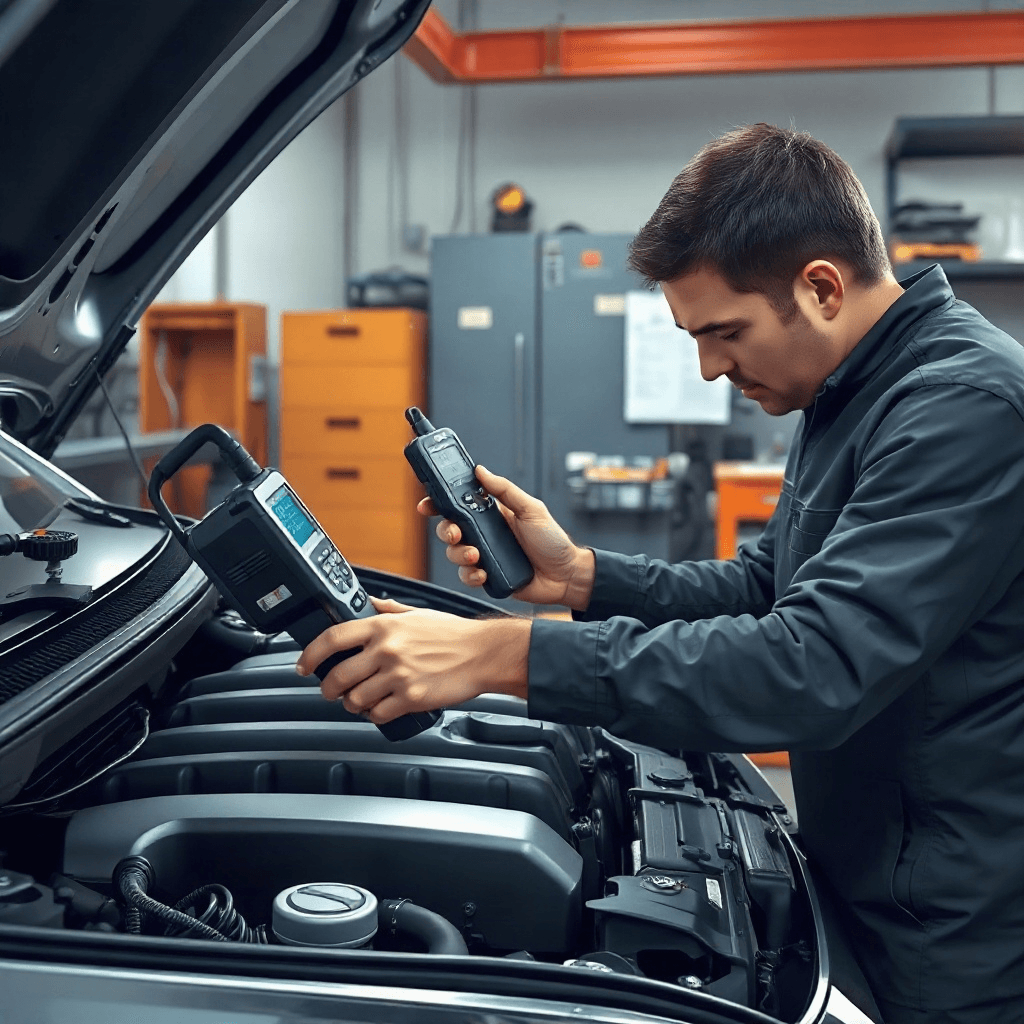
Diagnosing the root cause of a gasoline odor in your exhaust requires both observation and the right tools. Begin with a visual inspection of the exhaust system and engine components, looking for any obvious signs of wear or damage. A diagnostic scan tool can be invaluable, as it allows you to read trouble codes from the vehicle’s onboard computer, potentially pinpointing faulty components such as oxygen sensors or misfiring cylinders. Conduct a pressure test on the fuel system to check for leaks, and use a multimeter to test the voltage and resistance of the oxygen sensors. These diagnostic steps can help you identify whether the issue lies with the fuel system, ignition system, or exhaust components.
Addressing Fuel System Problems
If your investigation reveals issues with the fuel system, there are several steps you can take to resolve them. Start by checking the condition of the fuel injectors. Cleaning or replacing clogged injectors can restore proper fuel flow and improve combustion efficiency. Inspect the fuel lines and connections for leaks, replacing any damaged parts as needed. It’s also wise to check the fuel pump and filter, ensuring that they are functioning correctly and not impeding fuel delivery. These measures can significantly reduce the chance of unburned fuel reaching the exhaust.
Ignition System Checks and Repairs
The ignition system plays a crucial role in ensuring complete combustion. If diagnostics point to ignition-related issues, inspect the spark plugs for wear or fouling, replacing them if necessary. Ensure that the ignition coils and wires are in good condition, as faulty components can lead to misfires and incomplete combustion. Additionally, verify that the timing is correctly set, as incorrect ignition timing can disrupt the combustion process. Addressing these ignition system components can eliminate many common causes of unburned fuel odors.
When to Seek Professional Help
While many causes of a gasoline smell in the exhaust can be addressed with some mechanical know-how, there are times when professional intervention is necessary. If the problem persists after you’ve performed basic diagnostics and repairs, or if you’re uncomfortable working with certain vehicle systems, it’s best to consult a professional mechanic. They can conduct more in-depth diagnostics and repairs, ensuring that the issue is resolved without causing further damage to your vehicle. Remember, ignoring such issues can lead to more significant problems down the line, so timely intervention is key.